
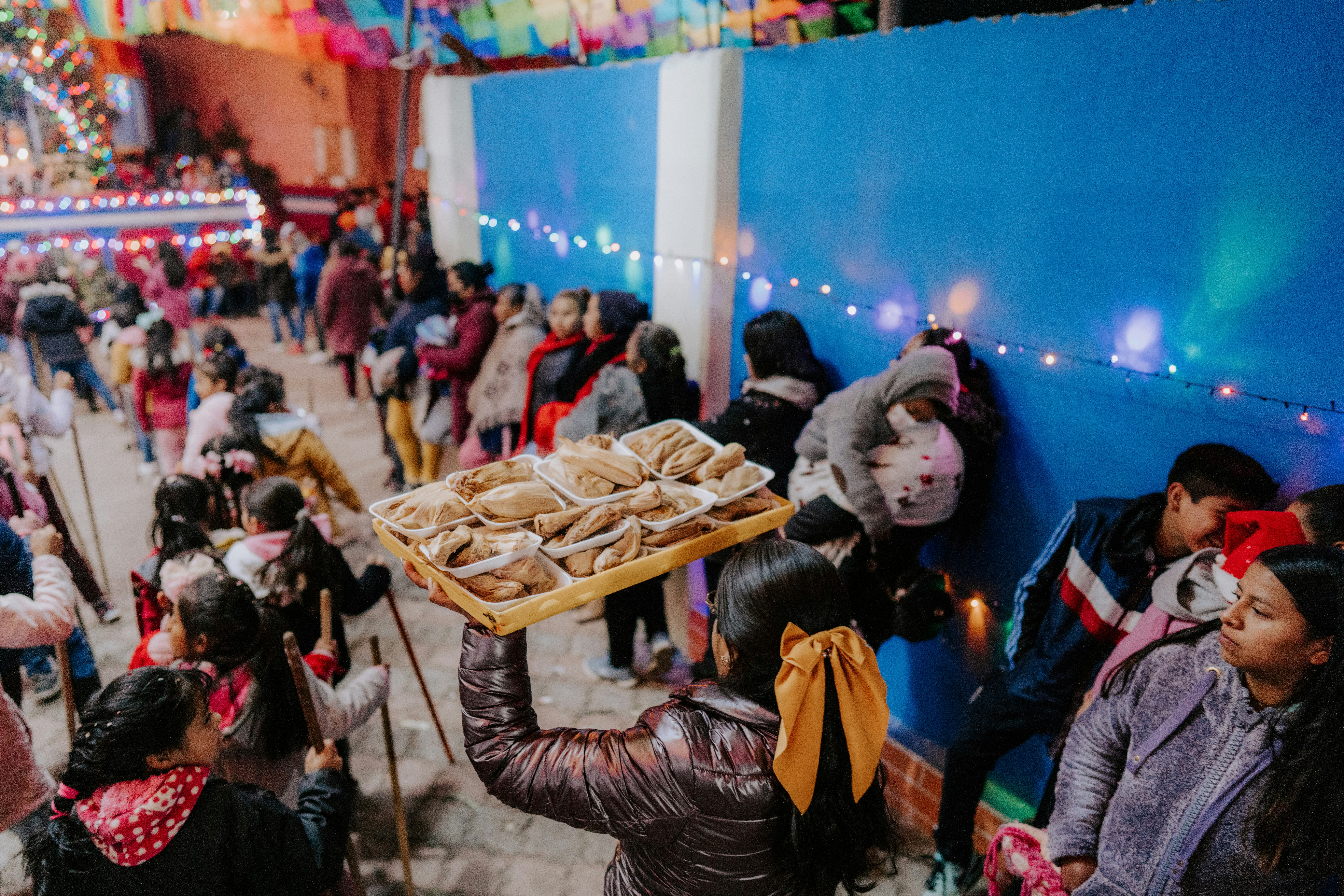


As spring arrives across Hispanic communities throughout the United States, families begin preparing for one of the most meaningful periods in the Catholic calendar: Semana Santa, or Holy Week. This sacred time leading up to Easter Sunday brings centuries-old Semana Santa food traditions that emphasize simplicity, reflection, and togetherness. Unlike the elaborate feasts of Christmas or quinceañeras, the meals during this period focus on lighter, more contemplative dishes that honor both religious observance and cultural heritage.
Traditional Seafood Preparations During Holy Week
The most distinctive aspect of Hispanic spring meals during Semana Santa is the prominence of seafood. Catholic tradition prohibits the consumption of meat on Fridays during Lent and throughout Holy Week, leading Hispanic families to create remarkable dishes centered around fish and shellfish.
Bacalao, or salted cod, takes center stage in many households. This preserved fish, which has sustained communities for centuries, transforms into elegant preparations such as bacalao a la vizcaína or bacalao al pil-pil. The process of preparing bacalao begins days in advance, as the fish must be soaked and rinsed repeatedly to remove excess salt. This ritual of preparation becomes part of the spiritual journey, with family members taking turns caring for the fish as they would tend to their faith.
Fresh fish preparations also shine during this season. Ceviche becomes a celebration of freshness and simplicity, with lime juice "cooking" tender pieces of fish alongside crisp onions, cilantro, and peppers. The dish represents the perfect balance of flavors that characterize thoughtful Holy Week cooking.
Camarones en ajo (garlic shrimp) offers another beloved option, with sweet shrimp sautéed simply in olive oil, garlic, and herbs. The preparation focuses on highlighting natural flavors rather than masking them with heavy sauces or elaborate techniques.
Rice and Grain-Based Family Dishes
Rice becomes the foundation for many Latino family cooking traditions during Semana Santa. Unlike the meat-laden paellas of other celebrations, Holy Week rice dishes celebrate vegetables, seafood, and legumes.
Arroz con mariscos combines fragrant rice with an array of shellfish, creating a dish that feels both festive and appropriate for the season. The rice absorbs the briny flavors of clams, mussels, and shrimp, while saffron adds its characteristic golden color and earthy aroma. The techniques used echo traditional paella preparation, but with a focus on lighter, more delicate flavors.
Arroz con vegetales showcases the spring vegetables that begin appearing in markets during Holy Week. Bell peppers, peas, artichokes, and green beans create a colorful, nutritious dish that satisfies without overwhelming the palate. Many families add white beans or chickpeas to increase protein content while maintaining the meat-free tradition.
Quinoa has also found its way into modern Hispanic Holy Week meals, particularly among families seeking to connect ancient grains with contemporary nutritional awareness. Quinoa con vegetales or quinoa salads with fresh herbs and vegetables provide satisfying, protein-rich alternatives that honor both tradition and health.
Vegetable-Forward Comfort Foods
The emphasis on vegetables during Holy Week has produced some of the most creative and satisfying dishes in Hispanic cuisine. These preparations demonstrate how limitations can inspire culinary creativity, transforming simple ingredients into memorable meals.
Chiles rellenos de queso offer indulgent comfort while adhering to dietary restrictions. Poblano peppers are carefully charred, peeled, and stuffed with cheese before being battered and fried. The result is a dish that feels luxurious despite its simple ingredients.
Tortitas de papa (potato patties) become a Holy Week staple in many households. Grated potatoes are mixed with eggs, onions, and herbs before being formed into patties and pan-fried until golden. These satisfying rounds serve as protein-rich alternatives to meat while providing the comfort and substance families crave.
Bean preparations take on special significance during this period. Frijoles de la olla (pot beans) simmer with onions, garlic, and herbs, creating a simple but deeply satisfying dish. Some families prepare frijoles charros without the traditional bacon or chorizo, instead relying on smoked paprika and chipotle peppers to provide depth and complexity.
Simple Soups and Broths
The contemplative nature of Holy Week naturally leads to soup-based meals that warm the soul while nourishing the body. These Hispanic Lent meals often center around clear broths and vegetable-forward preparations that encourage mindful eating and family conversation.
Sopa de ajo (garlic soup) represents rustic cooking at its finest. Day-old bread is combined with garlic, olive oil, and broth to create a humble yet satisfying meal. Many versions include a poached egg, which adds richness while maintaining simplicity.
Sopa de tortilla without meat becomes a celebration of vegetables and spices. Tomatoes, onions, and chilies form the base, while crispy tortilla strips, avocado, and Mexican crema provide textural interest.
Caldo de vegetales showcases whatever spring vegetables are available, from tender asparagus to sweet corn, creating a light but nourishing meal. These broths often include rice or pasta to make them more substantial while maintaining their essentially simple character.
The Role of Bread in Holy Week Meals
Bread holds special significance during Semana Santa, with many families preparing traditional loaves passed down through generations. These breads serve not only as sustenance but as symbols of faith and community.
Pan de muerto dulce and rosca de Semana Santa appear in bakeries and home kitchens throughout Holy Week. These lightly sweetened breads, often flavored with anise or orange zest, provide a festive element to otherwise simple meals. The act of breaking bread together reinforces family bonds and cultural continuity.
Many families also prepare tortas de aceite (olive oil flatbreads) that pair beautifully with seafood preparations or stand alone with a drizzle of good olive oil and a sprinkle of sea salt. These simple breads highlight how basic ingredients, when treated with respect and skill, can create extraordinary results.
Modern Adaptations and Family Traditions
Today's Hispanic families have adapted traditional Semana Santa food traditions to accommodate busy schedules while maintaining their essential character. The influence of Latin cuisine continues to evolve as families find new ways to honor old traditions.
Slow cookers and pressure cookers now help families prepare traditional braises and stews in less time, while still maintaining the depth of flavor that characterizes authentic preparations. Many families also now incorporate ingredients from other Latin American countries, creating fusion dishes that reflect the diversity of Hispanic communities in the United States. Plantains might appear alongside traditional Spanish vegetables, while Peruvian spices enhance Mexican-inspired seafood preparations.
Preserving Culinary Heritage Through Community
The preparation of Holy Week meals serves as an important vehicle for preserving and celebrating Hispanic heritage traditions. Grandmothers pass down techniques and recipes to younger generations, ensuring that these food traditions continue to flourish in new environments.
Community gatherings during Holy Week often center around shared meals, with families bringing traditional dishes to share with neighbors and friends. These potluck-style celebrations demonstrate how food creates connections that transcend individual households, building stronger communities that benefit from and support local Latino businesses.
The emphasis on simple, thoughtful cooking during Semana Santa also provides an opportunity for families to slow down and appreciate the meal-preparation process. In a world increasingly dominated by fast food and convenience, these traditional practices offer a chance to reconnect with the meditative aspects of cooking and the importance of gathering around the family table.
Embracing Sacred Culinary Traditions
The Semana Santa food traditions that flourish in Hispanic communities across the United States represent far more than dietary restrictions or seasonal adaptations. These Hispanic spring meals embody the profound connection between faith, family, and cultural identity that sustains communities across generations. Through simple seafood preparations, vegetable-forward comfort foods, and traditional breads, families create meaningful experiences that nourish both body and spirit during this sacred season.
Visit United Tribes today to learn more about Hispanic culture and community traditions that continue to enrich American culinary landscapes year-round.


