
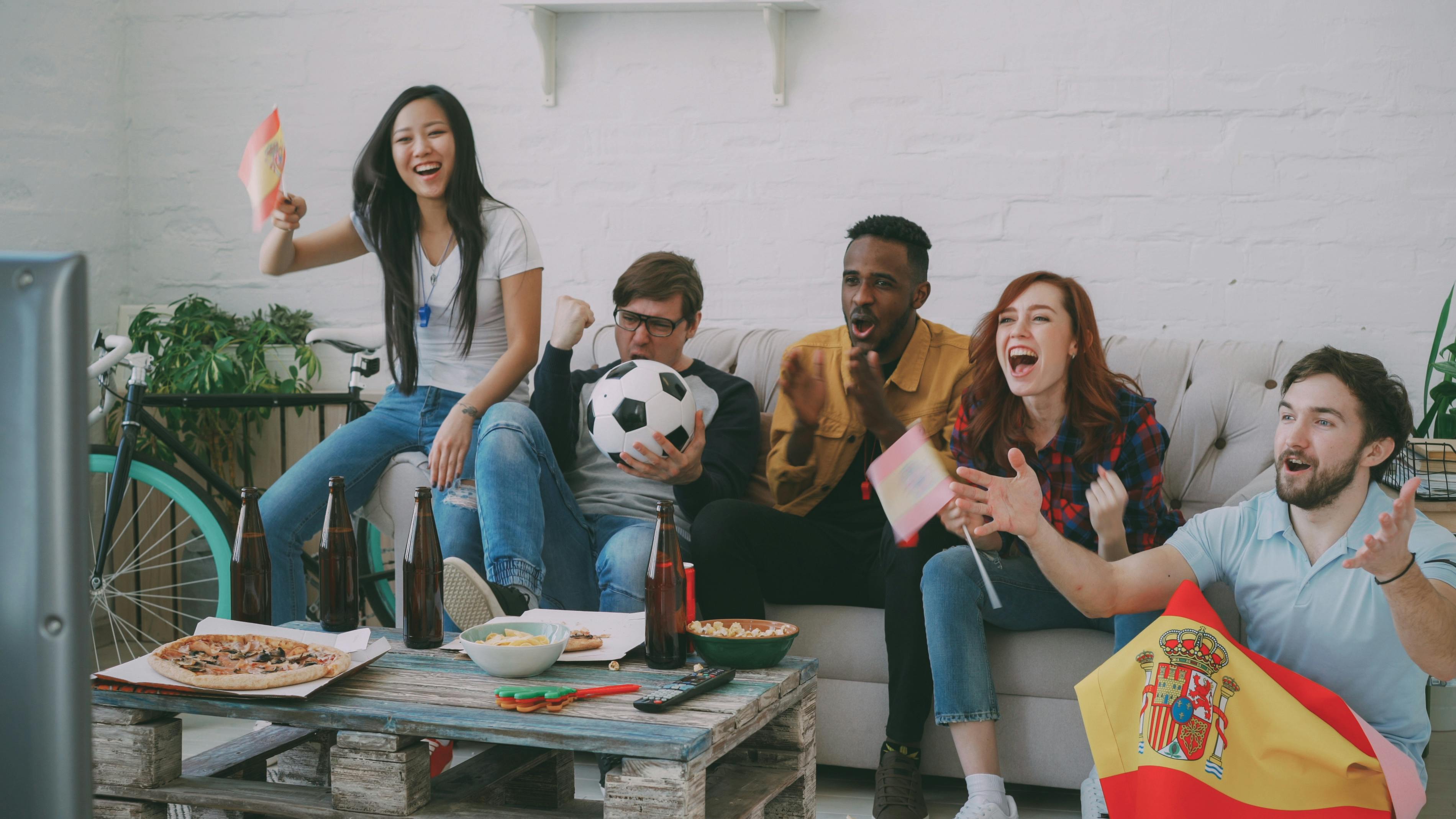

The 2026 FIFA World Cup is coming to the United States, and for Spanish fans living stateside or traveling for the tournament, it's a once-in-a-lifetime opportunity. Spain's passionate football culture doesn't pause at borders — it travels, adapts, and thrives. Whether you're a longtime expat or a first-generation Spaniard navigating life in America, this guide is your roadmap to experiencing every match the right way: with good food, great company, and that unmistakable Spanish energy.
Why the 2026 World Cup Is a Landmark Moment for Spanish Communities
The FIFA World Cup 2026 will be hosted across the United States, Canada, and Mexico — marking the first tri-nation tournament in history. For the Spanish community in the U.S., this sporting event is an important cultural gathering point. Cities with large Hispanic and Spanish-speaking populations, such as Los Angeles, Miami, New York, and Chicago, will become unofficial epicenters of celebration.

Welcome to United Tribes
Where Spanish Culture Comes Alive
Join Your Tribe
Connect with your people
Discover Events
Watch parties & festivals
Find Spanish Businesses
Restaurants, markets & more
Earn Crown Credits
Get rewarded for engaging
The tournament runs from June through July 2026, meaning long summer evenings and plenty of opportunities to gather. Spanish fans are known for building atmosphere wherever they are — and in the U.S., that tradition is very much alive.
Where to Watch Spain Games in the U.S.
Finding the right venue matters. Where you watch Spain games in the U.S. shapes the entire experience. Here's what to look for:
- Spanish bars and tabernas: Look for spots that specifically cater to Spanish or broader European football culture. These venues often open early for European time zone kickoffs and serve authentic food and drink.
- Latin cultural centers: Many cities have Spanish or broader Latin cultural organizations that host communal screenings during major tournaments.
- Soccer-specific sports bars: Venues affiliated with American Outlaws or international supporter clubs often attract diverse football communities and broadcast all World Cup matches.
- Restaurant patios: Particularly in warmer climates like Miami and Los Angeles, outdoor viewing setups at Spanish or Latin restaurants create an ideal atmosphere.
Major U.S. cities with strong Spanish-community soccer presence include Los Angeles (home to a large Spanish-speaking diaspora), New York City (with its diverse European expat scene), Miami (a gateway city with deep Latin ties), and Chicago (which hosts a thriving Hispanic cultural network).
Embracing the Tapas Football Viewing Tradition
No Spanish match experience is complete without food. Tapas football viewing is practically a cultural institution — small plates, shared conversation, and communal energy around the screen. In Spain, watching a match often means patatas bravas, jamón, pan con tomate, and a cold caña or glass of Rioja.
In the U.S., Spanish restaurants and Latin-owned eateries have been bringing these traditions to American tables for years. The evolution of culinary fusion across Latin American communities has made it easier than ever to find authentic flavors in unexpected places.
When planning your match-day spread, consider:
1. Patatas bravas — crispy potatoes with spicy aioli, a staple at any viewing gathering
2. Tortilla española — Spanish omelet that travels well and feeds a crowd
3. Croquetas — perfect finger food for high-tension match moments
4. Pan con tomate — simple, authentic, and endlessly satisfying
5. Jamón ibérico — if you can find it, worth every cent for a special match
Late-Night Viewing Culture and the Spanish Football Rhythm
One underappreciated challenge for Spanish fans watching World Cup games in the USA is the time zone difference. Many European matches kick off at times that feel unusual for American schedules — but the 2026 tournament, hosted domestically, eliminates that struggle.
This is a rare luxury. Group stage matches could fall in the afternoon or evening, allowing fans to enjoy the kind of slow, celebratory build-up that Spanish football culture is built around. Pre-match coffee or vermouth, the match itself, and then — if La Roja wins — hours of celebration well into the night.
Late-night viewing after a Spain victory means spontaneous street gatherings, honking horns, and impromptu parties at local Spanish restaurants or bars. Planning means knowing which venues will stay open post-match and which neighborhoods are likely to come alive with celebration.
Building Your Spanish Football Community in the U.S.
The World Cup is also an opportunity to strengthen existing bonds and forge new ones within the Spanish community soccer network. Many fans find that tournaments like this bring out people who otherwise keep their cultural identity quiet day to day.
Hispanic entrepreneurs across the U.S. have been building spaces that double as cultural anchors — restaurants, bakeries, and gathering spots that become home bases during events like the World Cup. The work of Hispanic entrepreneurs reinventing community spaces across American cities has created an infrastructure that supports exactly this kind of cultural activation.
Look for local supporter groups on social media, check community boards at Spanish cultural centers, and don't underestimate word of mouth — the best viewing spots for Spanish fans watching World Cup games are often discovered through community networks rather than a Google search.
Tips for Making the Most of Every Match Day
- Arrive early at popular venues — demand will be high across all World Cup matches
- Wear your Spain kit proudly; it's an instant community connector
- Learn the local landscape before the tournament starts — scout venues in June
- Connect with Spanish or Latin cultural organizations in your city ahead of the tournament
- Embrace the mix — Latino cultures across the U.S. share deep football passion, and Latino culinary and cultural fusion has created shared spaces where Spanish fans feel right at home
Celebrate La Roja the Right Way
The 2026 FIFA World Cup on American soil is a once-in-a-generation opportunity for Spanish fans to experience their football culture in a whole new setting. From tapas-filled viewing parties to late-night celebrations after a Spain victory, the traditions that make Spanish football special travel beautifully — and the communities across the U.S. are ready to receive them.
Whether you're looking for where to watch Spain games in the USA, the best tapas bars for football viewing, or ways to connect with the Spanish community's soccer network in your city, the foundation is already there. You need to find it, show up, and bring your passion.
Visit United Tribes today to learn more about Spanish culture and community — discover cultural businesses, upcoming events, and the vibrant heritage that makes this community a vital part of America's multicultural story.


