

Key Takeaways
- Alasitas begins each year on January 24 in La Paz. The fair runs for two to three weeks and centers on buying and blessing miniature objects that represent personal dreams.
- The word "Alasitas" comes from an Aymara phrase meaning "buy me." This reflects vendors' original calls offering miniature crafts, rooting the festival's name in its Indigenous Andean language.

Welcome to United Tribes
Where Bolivian Culture Comes Alive
Join Your Tribe
Connect with your people
Discover Events
Watch parties & festivals
Find Bolivian Businesses
Restaurants, markets & more
Earn Crown Credits
Get rewarded for engaging
- Ekeko is the Aymara deity of abundance at the heart of the festival. Traditionally depicted as a plump, smiling figure draped in miniature goods, Ekeko embodies the promise of prosperity and good fortune.
- Miniatures are blessed by yatiri or Catholic priests in a ritual called ch'alla. This blending of Andean spiritual practice and Catholicism reflects Bolivia's deep tradition of religious and cultural syncretism.
- UNESCO inscribed the Alasitas ritual on its Intangible Cultural Heritage list in 2017. This recognition affirms the festival's profound cultural significance both within Bolivia and on the world stage.
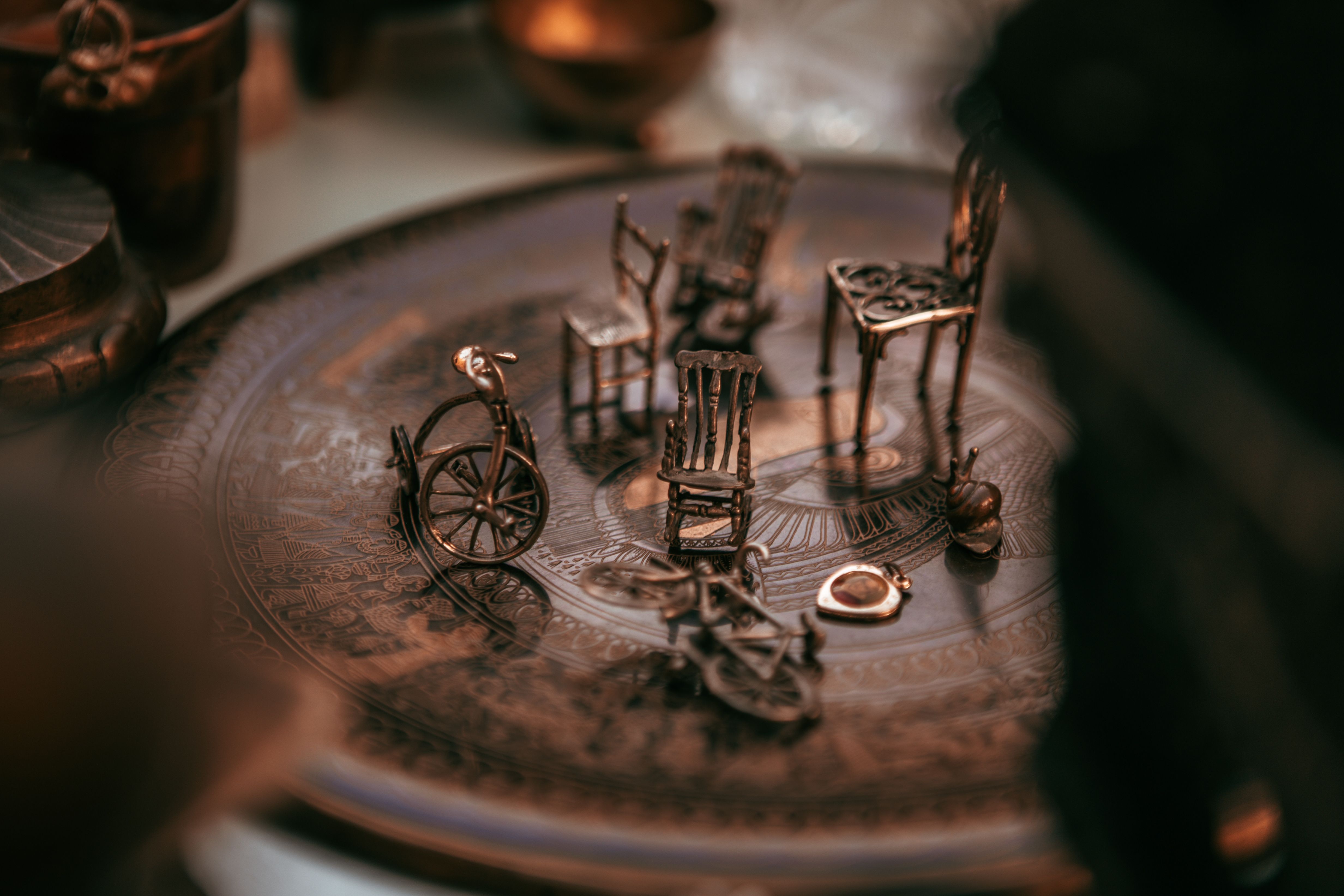
Every January, the streets of La Paz fill with the scent of incense, the sound of market vendors, and the sight of tiny houses, cars, diplomas, and bundled banknotes that fit in the palm of your hand. This is Alasitas — Bolivia's most beloved festival of hope — where the miniature becomes monumental, and belief can shape reality.
What is the Alasitas Festival and why do Bolivians celebrate it?
Bolivians celebrate the Alasitas Festival because it is a deeply rooted Andean tradition in which purchasing and blessing miniature versions of desired objects — homes, money, degrees, travel tickets — is believed to help bring those aspirations into real life. Born from Indigenous Aymara spiritual practice and shaped by centuries of history, Alasitas is not a simple craft fair; it is an act of collective faith held in La Paz every January 24.
The festival's name itself holds meaning. Derived from the Aymara language, "Alasitas" translates roughly to "buy me" — an echo of the market cries of vendors who offered these small, handmade objects to passersby. The tradition predates Spanish colonization, though its current calendar date has colonial fingerprints. Originally tied to La Paz's founding anniversary in October, the celebration shifted to January 24 in the late eighteenth century under Governor Sebastián de Segurola, who aligned it with the feast of Our Lady of La Paz to revive the tradition after the devastating 1781 siege of the city.
Alasitas is remarkable because it holds Indigenous cosmology and Catholic ritual together without contradiction. At noon on January 24, families rush to buy their miniatures before having them blessed — either by a yatiri, an Andean ritual specialist, or a Catholic priest. This ceremony, known as the ch'alla, seals the miniature with intention and faith. The object becomes more than a toy; it becomes a vessel for a prayer.
Ekeko: The Ancient God Behind Every Miniature
Ekeko is the Aymara and Kolla deity of abundance, prosperity, fertility, and good fortune, and he is the spiritual centerpiece of the Alasitas Festival. Traditionally depicted as a short, round, joyful man wearing a poncho and loaded from head to toe with miniature goods — food, money, household items — Ekeko is the living symbol of everything Bolivians hope the festival will bring.
His roots go far deeper than any colonial-era celebration. The Illa Ekeko, a stone figurine excavated at the ancient site of Tiwanaku, is estimated to be around 2,000 years old. Now housed in Bolivia's National Archaeology Museum, this artifact represents the earliest known ancestor of the modern Ekeko image. Its repatriation to Bolivia in 2014 was widely celebrated as a homecoming for a piece of the country's cultural soul.
Today, Ekeko figures are among the most purchased items at the Alasitas fair. Artisans craft them in clay, plaster, and resin, each one brimming with tiny objects. Buyers often add their own miniatures to an Ekeko figure they keep at home year-round, treating it as a living symbol of aspiration rather than a one-time purchase.
The Language of Miniatures and What Each One Means
The miniatures sold at Alasitas are a symbolic vocabulary, and each object carries a specific hope. Bolivians do not buy miniatures randomly — the choice is intentional, personal, and often deeply emotional.
|
Miniature Object |
Aspiration Represented |
|
Tiny house or apartment |
Owning a home or property |
|
Bundled banknotes |
Financial stability or wealth |
|
University diploma |
Educational achievement |
|
Airplane ticket or passport |
Travel or immigration |
|
Small car or vehicle |
Personal transportation |
|
Animal figurines |
Livestock, farming prosperity |
|
Mini periodiquito (newspaper) |
Media, business, public voice |
Artisans in La Paz began producing these objects as early as October to meet the fair's enormous demand. The range of available miniatures evolves with the times — where once the most common items were homes and food, today buyers can find tiny laptops, smartphones, and even miniature business storefronts reflecting contemporary dreams.
One particularly distinctive tradition is the mini periodiquito, a tiny satirical newspaper sold at the fair that pokes fun at politicians and public figures. These miniature papers are so culturally significant that UNESCO's Memory of the World program has recognized them as an important form of intangible heritage.
How Families and Vendors Participate in the Festival
The Alasitas Festival is both a community gathering and a personal ritual, drawing together artisans, vendors, families, and spiritual leaders in a shared celebration of Bolivian identity. Participation happens at every level of society.
For vendors and artisans, preparation begins months in advance. Skilled craftspeople produce thousands of miniature objects — Ekeko figures, tiny household goods, bundled currency, miniature deeds and diplomas — that line the stalls of the sprawling Alasitas fair. The fair itself becomes a city within a city, winding through the streets of La Paz for two to three weeks.
For families, the day begins before noon. Parents bring children to choose their miniatures with care. A daughter might pick a tiny stethoscope if she dreams of becoming a doctor. A young man might hold a miniature house key, picturing the home he hopes to build. At noon, the moment arrives — miniatures are taken to a yatiri or priest for the ch'alla blessing, often accompanied by offerings of flower petals, alcohol, and incense.
The symbolic power of these exchanges extends beyond personal desire. The Alasitas tradition also functions as a social ritual in which friends and family members gift miniature objects to reinforce bonds, settle debts symbolically, or simply express care. This cross-class participation—wealthy and working-class Bolivians standing in the same lines, seeking the same blessings—gives the festival a unifying power few other celebrations match.
Alasitas as Living Intangible Heritage
UNESCO's 2017 inscription of "Ritual journeys in La Paz during Alasita" on its Representative List of the Intangible Cultural Heritage of Humanity was not simply an award — it was a formal recognition that this tradition belongs to all of humanity. The inscription recognized Alasitas not just as a folk fair but as a complex ritual journey through the city's spiritual, social, and cultural geography.
The festival's continued vitality reflects Bolivia's broader strength in maintaining Indigenous traditions alongside modern life. Young Bolivians participate enthusiastically, and the miniature objects they choose — tech gadgets, business plans, travel visas — show that the tradition adapts without losing its soul. The Ekeko remains at the center, his wide smile unchanged across two millennia, holding everything Bolivians have ever hoped for in his small, outstretched hands.
Where Small Objects Carry Enormous Dreams
The Alasitas Festival is one of the most quietly powerful cultural traditions in the Americas. It asks something simple of its participants — choose what you want, hold it in your hands, have it blessed, and believe — and in that simplicity lives a profound philosophy about hope, community, and the human need to make desires visible and tangible. From the ancient Illa Ekeko of Tiwanaku to the tiny satirical newspapers of today's La Paz market stalls, the festival weaves thousands of years of Bolivian heritage into a single shared moment each January.
For members of Bolivia's diaspora living in the United States, Alasitas carries special weight. It is a thread back home, a way to keep Aymara spirituality and Bolivian identity alive far from La Paz's streets. Whether someone recreates the ch'alla in their living room or simply keeps an Ekeko figure on a shelf, the tradition travels — and survives.
Connecting with your heritage community strengthens that thread. Tap into Bolivia's vibrant cultural presence on United Tribes to discover businesses, stories, and people celebrating the traditions that matter most.
Frequently Asked Questions
Can people outside Bolivia participate in or celebrate Alasitas?
Yes, anyone who resonates with its meaning can honor the Alasitas tradition. Bolivian diaspora communities worldwide, including in the United States, have recreated the fair's spirit at home by purchasing Ekeko figures, selecting miniatures, and performing personal blessings to mark January 24.
What is a yatiri and what role do they play at Alasitas?
A yatiri is an Andean spiritual specialist in Aymara tradition, often described as a healer, diviner, or ritual expert. At Alasitas, yatiris perform the ch'alla blessing on miniature objects, using offerings like incense, flower petals, and alcohol to consecrate each item and channel the buyer's intentions toward their desired outcome.
Why is the date January 24 significant to the Alasitas Festival?
Governor Sebastián de Segurola established January 24 as the festival's official date in the late eighteenth century, aligning it with the Catholic feast of Our Lady of La Paz. The shift helped revive the tradition after the 1781 siege of La Paz while weaving Indigenous Andean ritual into the colonial Catholic calendar.
Are Alasitas miniatures considered purely symbolic or do Bolivians treat them as spiritually powerful objects?
Many Bolivians regard their blessed miniatures as genuinely spiritually charged objects, not mere decorations. Once blessed through the ch'alla ceremony, a miniature is believed to carry the energy and intention needed to help manifest the corresponding real-world desire, making it an object of ongoing faith rather than a keepsake.
What makes the mini periodiquitos sold at Alasitas culturally distinctive?
The mini periodiquitos are tiny satirical newspapers sold at the Alasitas fair that mock political figures and public life with humor and irreverence. Their cultural importance is significant enough that UNESCO's Memory of the World program has recognized them as a unique form of Bolivia's living intangible heritage, distinct from the miniature craft objects.
How has the range of miniatures available at Alasitas changed in recent decades?
The range of Alasitas miniatures has expanded significantly to reflect contemporary Bolivian aspirations. Alongside traditional items like houses and food, vendors now sell tiny laptops, smartphones, airplane tickets, and business storefronts. This evolution shows that the festival's core belief system remains intact even as the objects used to express it keep pace with modern life.
Find your community: Bolivian businesses near you on United Tribes.
Make United Tribes Your Preferred Source
Add United Tribes on Google to get the latest stories, cultural updates, and community events directly in your Google Search and Top Stories.