
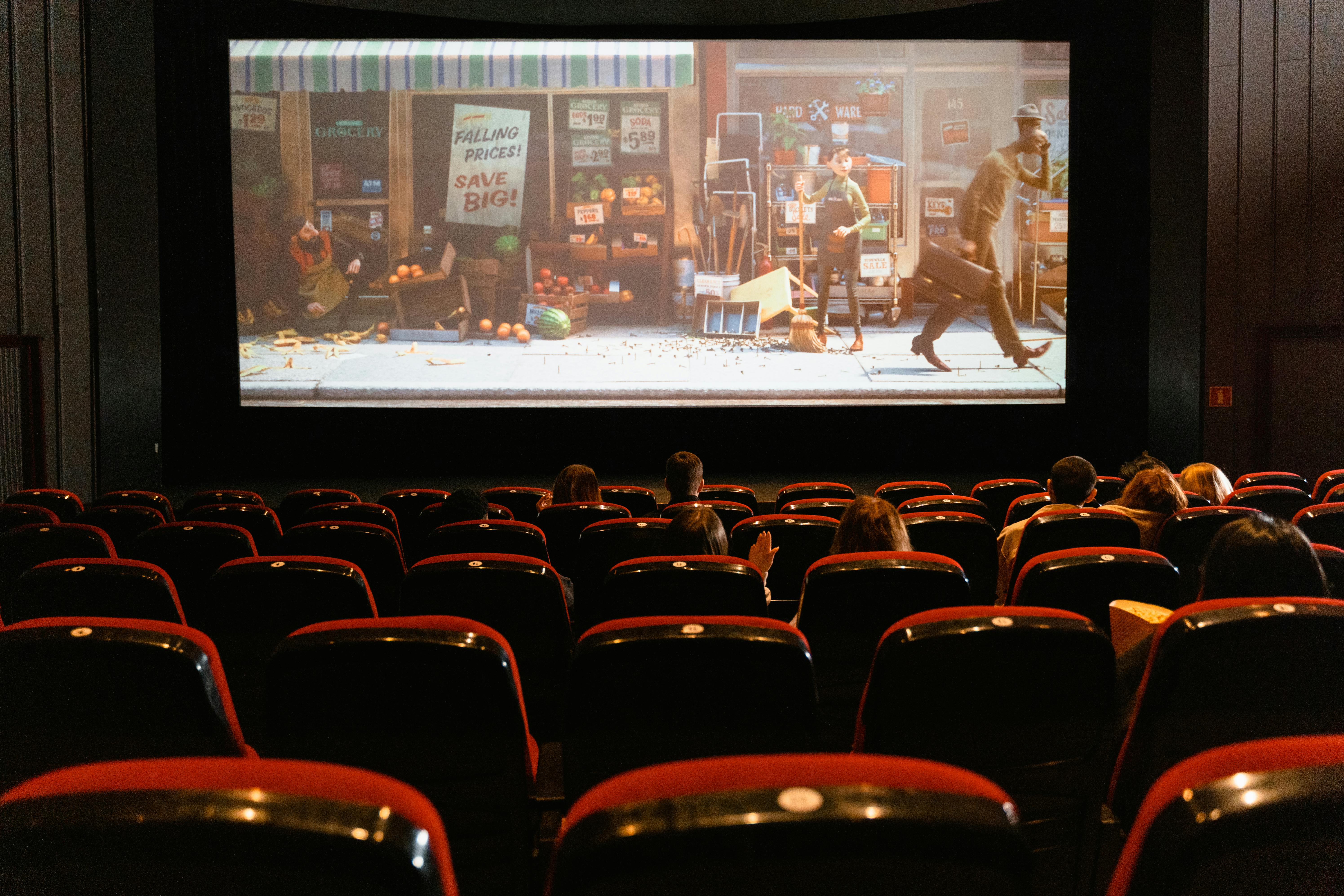


American cinema has reached a pivotal moment in 2026, where diversity and representation are no longer afterthoughts but central pillars of storytelling. The landscape of film representation has evolved dramatically, creating unprecedented opportunities for multicultural communities to see their stories authentically portrayed on the big screen. This transformation reflects the growing recognition that America's cultural tapestry deserves to be celebrated through cinema that speaks to every community's unique experiences and heritage.
The Current State of Multicultural Storytelling
The American cinema of 2026 stands as a testament to the power of inclusive storytelling. Major studios have embraced narratives that authentically represent Hispanic, Asian, African, Middle Eastern, and Indigenous communities, moving beyond stereotypical portrayals to showcase the rich complexity of these cultures. This shift represents more than just casting decisions; it encompasses authentic cultural consultants, diverse writing teams, and production crews that understand the nuances of each community's experiences.
Recent box office successes have demonstrated that audiences hunger for stories that reflect America's multicultural reality. Films featuring Hispanic heritage have particularly flourished, with productions that explore both traditional values and contemporary diaspora experiences. These stories resonate not only within specific communities but also with broader audiences seeking authentic, compelling narratives that expand their understanding of different cultures.
Breaking Barriers in Casting and Character Development
Film representation in 2026 has fundamentally changed how characters are conceived and developed. Casting directors now prioritize authentic representation, ensuring that actors not only share their characters' cultural backgrounds but also understand the cultural context they're portraying. This approach has led to more nuanced performances that resonate deeply with community audiences while educating broader viewerships about different cultural experiences.
Character development has evolved beyond surface-level diversity to explore the psychological and emotional depth of multicultural experiences. Writers are crafting protagonists who navigate complex cultural identities, family expectations, and the balance between maintaining heritage while embracing American opportunities. These characters speak multiple languages naturally, celebrate traditional holidays, and face real challenges that multicultural families encounter daily.
The success of this approach is evident in the critical acclaim and commercial success of films featuring authentic multicultural characters. Audiences have responded positively to stories that acknowledge the full spectrum of cultural identity, from first-generation immigrants maintaining strong ties to their homeland to third-generation Americans rediscovering their roots.
Technology and Innovation in Cultural Storytelling
The technological advances of 2026 have revolutionized how American cinema presents cultural narratives. Virtual production techniques allow filmmakers to recreate authentic cultural settings with unprecedented detail, from bustling markets in Mumbai to traditional celebrations in rural Mexico. This technology enables stories to maintain cultural authenticity while managing production budgets effectively.
Streaming platforms have leveraged artificial intelligence to understand audience preferences for multicultural content better, creating recommendation algorithms that connect viewers with films from their heritage communities while also suggesting culturally adjacent content that broadens their viewing experience. This has created new opportunities for independent filmmakers from diverse backgrounds to reach their target audiences.
Independent Cinema's Role in Cultural Representation
Independent filmmakers have emerged as powerful voices in the diversity movement within American cinema. These creators often have intimate knowledge of their communities' stories, allowing them to craft narratives with authentic details that major studios might overlook. Independent films have become laboratories for experimental storytelling techniques that later influence mainstream productions.
Funding and Distribution Innovations
New funding models have emerged specifically to support multicultural storytelling. Community-based crowdfunding campaigns allow diaspora communities to directly support films that tell their stories, while impact investors recognize the commercial and social value of diverse content. These funding mechanisms have democratized film production, enabling stories that might not have found traditional studio backing.
Distribution strategies have also evolved to serve multicultural audiences more effectively. Films now launch simultaneously in community theaters, mainstream cinemas, and streaming platforms, ensuring broad accessibility while maintaining cultural authenticity. This multi-platform approach has proven particularly effective for reaching both heritage communities and crossover audiences.
Festival Circuit and Recognition
Film festivals dedicated to multicultural cinema have gained prominence, providing platforms for emerging filmmakers to showcase their work. These festivals serve as crucial networking opportunities and often launch the careers of directors who later bring their unique perspectives to major studio projects. The success stories emerging from these festivals have encouraged more investment in diverse voices within the industry.
Audience Response and Market Impact
The market response to increased diversity in American cinema has exceeded industry expectations. Multicultural audiences, representing significant purchasing power, have demonstrated strong loyalty to films that authentically represent their experiences. This has translated into sustained box office success and robust streaming numbers for diverse content.
Family viewing patterns have also shifted, with multicultural families specifically seeking content that they can watch together while sharing cultural values with younger generations. Films that incorporate traditional stories, cultural celebrations, and family dynamics have found particular success in this market segment.
The international market has responded positively to American films featuring diverse representation, as these stories often resonate with global audiences who see reflections of their own cultural experiences or gain exposure to new perspectives.
Industry Infrastructure and Support Systems
The infrastructure supporting diverse filmmaking has expanded significantly in 2026. Mentorship programs connect established industry professionals with emerging filmmakers from underrepresented communities, facilitating knowledge transfer and career development. These programs focus not only on creative development but also on the business aspects of film production and distribution.
Training and Development Programs
Film schools and industry organizations have developed specialized programs that focus on multicultural storytelling techniques. These programs teach aspiring filmmakers how to research cultural contexts authentically, work with community consultants, and navigate the sensitivities involved in cross-cultural storytelling.
Production companies have also invested in cultural competency training for their teams, ensuring that everyone involved in diverse projects understands the cultural significance of the stories they're telling. This investment has resulted in higher-quality productions that avoid cultural missteps while creating authentic narratives.
Future Projections and Emerging Trends
Looking ahead, American cinema appears poised for even greater diversification. Virtual reality and immersive storytelling technologies are being developed with multicultural narratives in mind, promising to create experiences that enable audiences to engage deeply with diverse cultural perspectives. These emerging technologies offer new possibilities for cultural education and empathy building through entertainment.
The next generation of filmmakers, having grown up in an increasingly diverse America, brings a natural understanding of multicultural experiences to their work. This generational shift promises to make diversity and representation inherent elements of storytelling rather than conscious additions to traditional narratives.
International co-productions are becoming more common, allowing American filmmakers to collaborate with creators from other countries to tell stories that span cultures and borders. These collaborations enrich the storytelling while providing authentic perspectives on global cultural connections.
Cinema's Cultural Renaissance Continues
The transformation of American cinema in 2026 represents more than just industry evolution; it signifies a cultural renaissance that celebrates the full spectrum of American identity. As diversity and film representation become standard expectations rather than special initiatives, audiences benefit from richer, more authentic storytelling that reflects the true multicultural nature of modern America. This shift has created opportunities for communities to see themselves authentically portrayed while fostering greater understanding across cultural boundaries.
Visit United Tribes today to learn more about multicultural communities and their rich cultural traditions that inspire today's most compelling films.


