
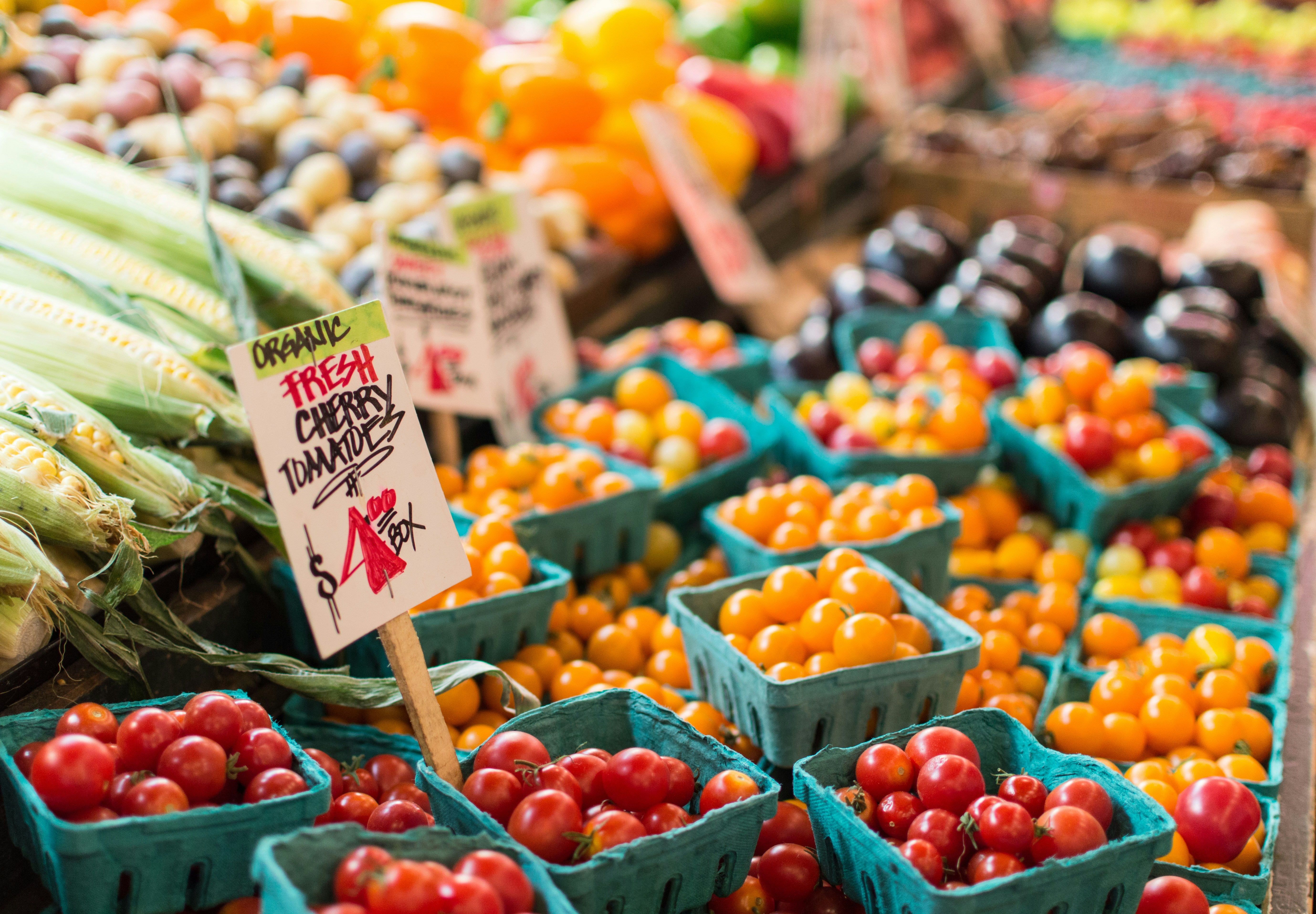


As the last frost melts away and daylight stretches longer into the evening, Americans prepare for one of their most cherished seasonal traditions: the reopening of farmers' markets. April farmers' markets represent a cultural renaissance that brings communities together, celebrates local agriculture, and reinforces the deep connection between food, identity, and place that defines neighborhoods from coast to coast.
The Cultural Significance of Spring Market Openings
The tradition of spring markets extends far beyond commerce. These gatherings serve as modern-day town squares where neighbors reconnect after winter months, families introduce children to seasonal eating, and farmers share the fruits of their labor. From the Pacific Northwest's early asparagus to the Southeast's tender greens, each region's agricultural offerings create distinct market personalities shaped by local culture and climate.
Farmers' markets consistently rank among the most anticipated seasonal activities. Opening day often feels like a celebration, with longtime customers greeting familiar faces and newcomers discovering the vibrant atmosphere that makes these gatherings special. The social fabric woven through these weekly meetings strengthens neighborhood identity throughout the growing season.
The economic impact extends beyond individual transactions. Farmers' markets generate approximately $2.7 billion annually in direct sales, with additional ripple effects supporting restaurants, food processors, and artisan producers who depend on these venues for visibility and customer connections.
Regional Variations in Market Traditions
Northeast Market Culture
New England traditions emphasize hearty spring vegetables like ramps, fiddlehead ferns, and early maple syrup. Markets in Vermont and New Hampshire often feature multi-generational farming families whose presence creates continuity between past and present practices. Near urban centers, markets blend traditional produce with a diverse array of offerings that reflect multicultural communities.
Shoreline markets incorporate fresh seafood alongside farm goods, creating distinctive coastal experiences. Compact geographies in some states allow shoppers to access both ocean and farm products in a single visit.
Southern Spring Traditions
Southern markets embrace extended growing seasons with early tomatoes, sweet onions, and abundant leafy greens available weeks before northern counterparts. Georgia's Vidalia onion harvest draws regional visitors, while South Carolina's early peaches generate excitement ahead of the peak summer season.
In Texas, market culture reflects geographic and cultural diversity. Cities like Austin showcase dynamic food scenes, while Houston's multicultural character creates markets that bring together producers representing a broad spectrum of culinary traditions.
West Coast Innovation
In California, spring markets represent expansion rather than reopening, as vendors add seasonal specialties to already abundant offerings. Agricultural innovation brings heirloom cultivars and experimental varieties alongside familiar produce.
Oregon and Washington celebrate early berries, tender herbs, and specialty mushrooms that attract devoted local food enthusiasts. Many markets emphasize sustainable practices and organic production methods aligned with regional environmental values.
Community Building Through Seasonal Celebrations
The structure of farmers' markets creates natural gathering spaces where residents connect across generational and cultural lines. Markets often anchor neighborhood activity, providing consistent weekly meeting opportunities that strengthen social networks.
Managers frequently organize events celebrating seasonal transitions and local achievements — from asparagus festivals in Michigan to strawberry celebrations in California. These experiences transform shopping trips into educational moments that deepen connection to local food systems.
Children's programming teaches agricultural awareness and seasonal eating, helping traditions continue across generations while adapting to contemporary lifestyles.
In diverse communities, vendors representing multiple cultural backgrounds create opportunities for exchange while preserving the core spirit of farmers' market traditions.
Seasonal Produce and Regional Specialties
Early Spring Vegetables
Spring markets typically feature asparagus as the season's standout crop, appearing according to regional growing patterns. Spinach, arugula, and other cold-hardy greens provide fresh options after months of stored vegetables and imports.
Radishes offer quick harvests and vibrant flavor, while peas and pea shoots bring sweetness and texture, capturing the essence of spring.
Specialty Products and Artisan Goods
Beyond produce, markets showcase artisanal goods that reflect regional food heritage. Maple syrup producers often debut alongside spring openings, sharing fresh syrup and stories from sugaring season.
Local cheese makers, bakers, and specialty food vendors rely on markets as primary sales venues while building lasting customer relationships. Flower vendors enhance the festive atmosphere with tulips, daffodils, and flowering branches that celebrate the season visually as well as in the kitchen.
Economic Impact and Local Business Support
The significance of April farmers' markets 2026 extends well beyond vendor sales. Markets act as incubators for small-scale agricultural operations and food entrepreneurs seeking direct access to customers.
Restaurants frequently source ingredients from nearby vendors, strengthening farm-to-table relationships while ensuring peak-quality seasonal menus. This connection supports local economies and reduces transportation impact.
Successful markets often stimulate additional neighborhood development, drawing foot traffic that benefits surrounding retail establishments and service providers. Direct sales allow farmers to capture retail margins, helping preserve family farms and agricultural diversity.
Looking Forward: Sustainability and Growth
As communities evolve, markets adapt while preserving their core function as gathering spaces. Climate change requires adjustments to shifting growing seasons, while urban growth presents new development opportunities.
Technology enhances outreach through social media and digital directories while maintaining personal connections. Mobile payments streamline transactions without sacrificing the relationships that define market culture.
Sustainability initiatives such as composting programs, reusable bag campaigns, and environmental education align operations with community values and demonstrate practical stewardship.
Celebrating the American Community Through Food
The return of spring markets reminds us that food culture remains a powerful force for community building. Whether discovering new produce, reconnecting with vendors, or introducing children to agricultural traditions, Americans use farmers' markets to celebrate both local identity and shared national values.
Visit United Tribes today and learn more about American culture and community celebrations that bring people together through food and tradition.


