
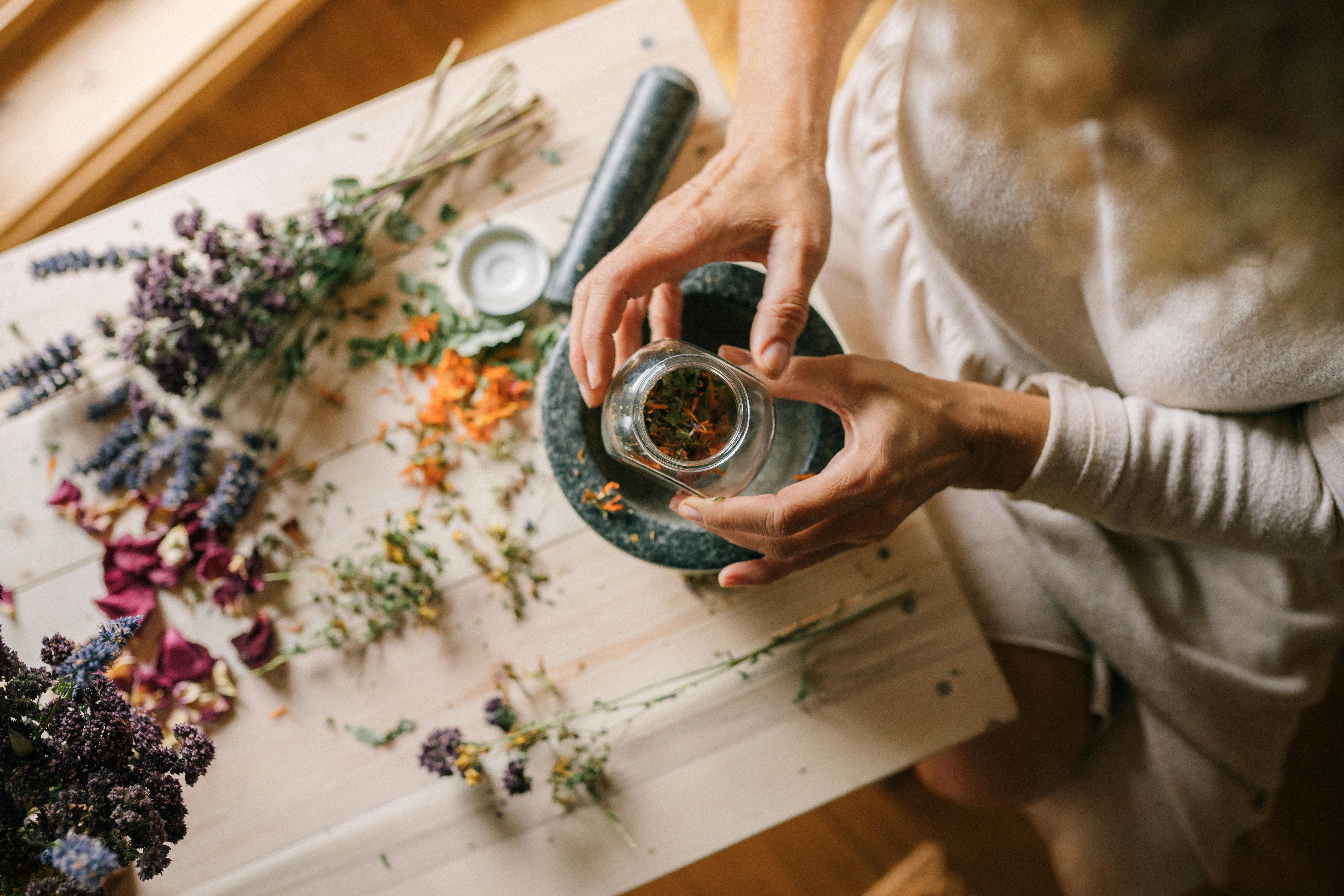

In bustling cities across America, a quiet revolution is taking place in kitchens, meditation corners, and community centers where Indian-Americans are rediscovering and sharing the ancient science of Ayurveda. Far from being confined to luxury spas or exotic retreats, this 5,000-year-old system of holistic health is finding new expression in the everyday lives of modern families who seek balance between their cultural heritage and contemporary American lifestyle.
Understanding Ayurveda Through the Indian-American Lens
The beauty of Indian holistic health lies in its fundamental principle that wellness is not a destination but a daily practice woven into the fabric of living. For Indian-Americans, this means finding ways to honor ancestral wisdom while navigating the complexities of bicultural identity. Unlike the commercialized version often seen in Western wellness circles, authentic Ayurvedic practice recognizes that each individual's constitution, or prakriti, requires personalized approaches to nutrition, lifestyle, and self-care.

Welcome to United Tribes
Where Indian Culture Comes Alive
Join Your Tribe
Connect with your people
Discover Events
Watch parties & festivals
Find Indian Businesses
Restaurants, markets & more
Earn Crown Credits
Get rewarded for engaging
Doshas – the three biological energies of Vata (air and space), Pitta (fire and water), and Kapha (earth and water) – serve as the foundation for understanding how to maintain balance in modern American life. Indian-American families are discovering that this ancient framework provides practical solutions for contemporary challenges, from managing stress in demanding careers to maintaining digestive health while enjoying both traditional Indian cuisine and American foods.
Community practitioners emphasize that Ayurveda isn't about strict adherence to ancient texts but rather about applying fundamental principles to current circumstances. This includes understanding seasonal eating patterns that work with American climate zones, finding locally available alternatives to traditional herbs, and adapting meditation practices to fit into commuter schedules and shared living spaces.
Nutritional Wisdom: Bringing Ayurveda to the American Kitchen
The heart of Ayurvedic daily practice lies in conscious eating, and Indian-American families are pioneering creative approaches to merge traditional dietary wisdom with available ingredients and time constraints. This goes far beyond simply preparing traditional Indian vegetarian recipes, extending into understanding how different foods affect individual constitutions and seasonal needs.
Dosha-Based Meal Planning
Practical application begins with recognizing personal dosha tendencies and creating meal plans that support balance rather than creating imbalance. Vata types might focus on warm, nourishing foods like golden milk with turmeric, cooked grains, and warming spices, while Pitta constitutions benefit from cooling foods like cucumber raita, mint chutneys, and coconut-based dishes. Kapha individuals often thrive on lighter, more stimulating foods, such as ginger tea, steamed vegetables, and moderately spiced legumes.
Indian-American households are adapting these principles by incorporating seasonal American produce into traditional preparation methods. Spring greens might be prepared with Indian spices and cooking techniques, while winter squashes are transformed using traditional dal preparation methods. This approach honors both the Ayurvedic principle of seasonal eating and the practical reality of shopping at American grocery stores.
Six Tastes Integration
The Ayurvedic concept of including all six tastes – sweet, sour, salty, bitter, pungent, and astringent – in daily meals provides a framework that many families find more intuitive than calorie counting or restrictive dieting. This principle encourages natural variety and helps ensure nutritional completeness while honoring the body's innate wisdom about what it needs for balance.
Mindfulness and Mental Wellness Practices
Indian wellness traditions recognize that mental and emotional health are inseparable from physical wellness, leading many Indian-American communities to develop integrated approaches to stress management and emotional balance. These practices extend far beyond occasional meditation sessions, becoming woven into daily routines and family interactions.
Daily Rhythm and Routine
Dinacharya, or daily routine, forms the backbone of Ayurvedic lifestyle practice. Indian-American families are adapting these principles to include morning practices that might begin with warm water and lemon, followed by brief meditation or pranayama breathing exercises before beginning work or school routines. Evening practices often include gentle stretching, herbal teas, and early bedtimes that align with natural circadian rhythms.
The concept of ritucharya, or seasonal routine, helps families understand how to adjust their practices throughout the year. This could include incorporating more warming practices during winter months, increasing cooling foods and activities during summer, and focusing on grounding practices during the transitional seasons of spring and fall.
Community-Based Wellness
Many Indian-American communities are establishing wellness circles, study groups, and practice communities to support the integration of Ayurveda principles into daily life. These groups often combine traditional learning with practical workshops on topics like home herbal preparation, seasonal cooking classes, and group meditation practices.
Natural Living and Home-Based Remedies
The Ayurvedic principle of using food as medicine translates beautifully into American kitchens, where Indian-American families are maintaining traditions of preparing simple, effective home remedies using commonly available ingredients. This approach to Indian holistic health empowers individuals to address minor imbalances before they become more serious health concerns.
Kitchen Pharmacy Essentials
Modern Indian-American households often maintain a collection of essential spices and herbs that serve both culinary and medicinal purposes. Turmeric for anti-inflammatory support, ginger for digestive health, cumin for detoxification, and fennel for after-meal digestive support represent just a few examples of how traditional remedies integrate seamlessly into daily life.
Seasonal preparation becomes a family activity, with households preparing warming spice blends for winter months, cooling herb mixes for summer, and digestive support combinations for transitional seasons. These practices connect younger generations with traditional knowledge while providing practical tools for maintaining health and wellness.
Oil Pulling and Self-Care Rituals
Simple daily practices like oil pulling with coconut or sesame oil, dry brushing with natural bristles, and self-massage with warm oils are finding new popularity among Indian-Americans seeking authentic wellness practices that can be easily incorporated into morning or evening routines.
Building Community Through Shared Wellness Practices
The social aspect of Ayurveda practice creates opportunities for Indian-American communities to gather around shared health goals while maintaining cultural connections. Community gardens focused on growing Indian herbs and vegetables, group cooking classes that emphasize Ayurvedic principles, and wellness workshops led by community elders all contribute to a holistic approach to health that honors both individual needs and collective wisdom.
Intergenerational Knowledge Transfer
Older community members often serve as bridges between traditional knowledge and contemporary application, sharing stories about how their grandmothers approached seasonal eating, natural remedies, and daily wellness practices. These exchanges help preserve cultural knowledge while allowing for adaptation to American contexts and lifestyles.
Younger Indian-Americans are often surprised to discover how much traditional wellness wisdom they absorbed growing up, recognizing that family practices around food preparation, seasonal celebrations, and natural remedies were actually sophisticated applications of Ayurvedic principles. This recognition often sparks a deeper interest in understanding and intentionally practicing these inherited wellness approaches.
The integration of Indian wellness practices into modern American life is a beautiful example of how cultural traditions can evolve while retaining their essential wisdom. As these practices continue to gain recognition and acceptance, they make valuable contributions to broader American conversations about holistic health, sustainable living, and community-based wellness.
Through conscious integration of nutrition, mindfulness, and natural living practices, Indian-American communities are demonstrating that Ayurveda is not about returning to an idealized past but about applying timeless principles to contemporary challenges. This approach creates pathways for anyone interested in exploring how ancient wisdom can enhance modern well-being, while honoring the cultural context from which these practices emerge.
Embracing Holistic Indian Wellness Daily
The integration of Ayurvedic principles into everyday American life is a profound reconnection with ancestral wisdom that offers practical solutions for modern health challenges. Indian-American communities are pioneering approaches that honor traditional knowledge while adapting to contemporary lifestyles, creating sustainable pathways for holistic wellness that extend far beyond occasional spa treatments.
Whether you're exploring your own cultural heritage or simply seeking authentic wellness practices that have stood the test of time, the Indian-American experience with Ayurveda offers inspiring examples of how traditional wisdom can thrive in modern settings. Visit United Tribes today to learn more about Indian culture and community, and discover additional resources for exploring the rich traditions that contribute to holistic wellness and cultural connection.
Make United Tribes Your Preferred Source
Add United Tribes on Google to get the latest stories, cultural updates, and community events directly in your Google Search and Top Stories.


