
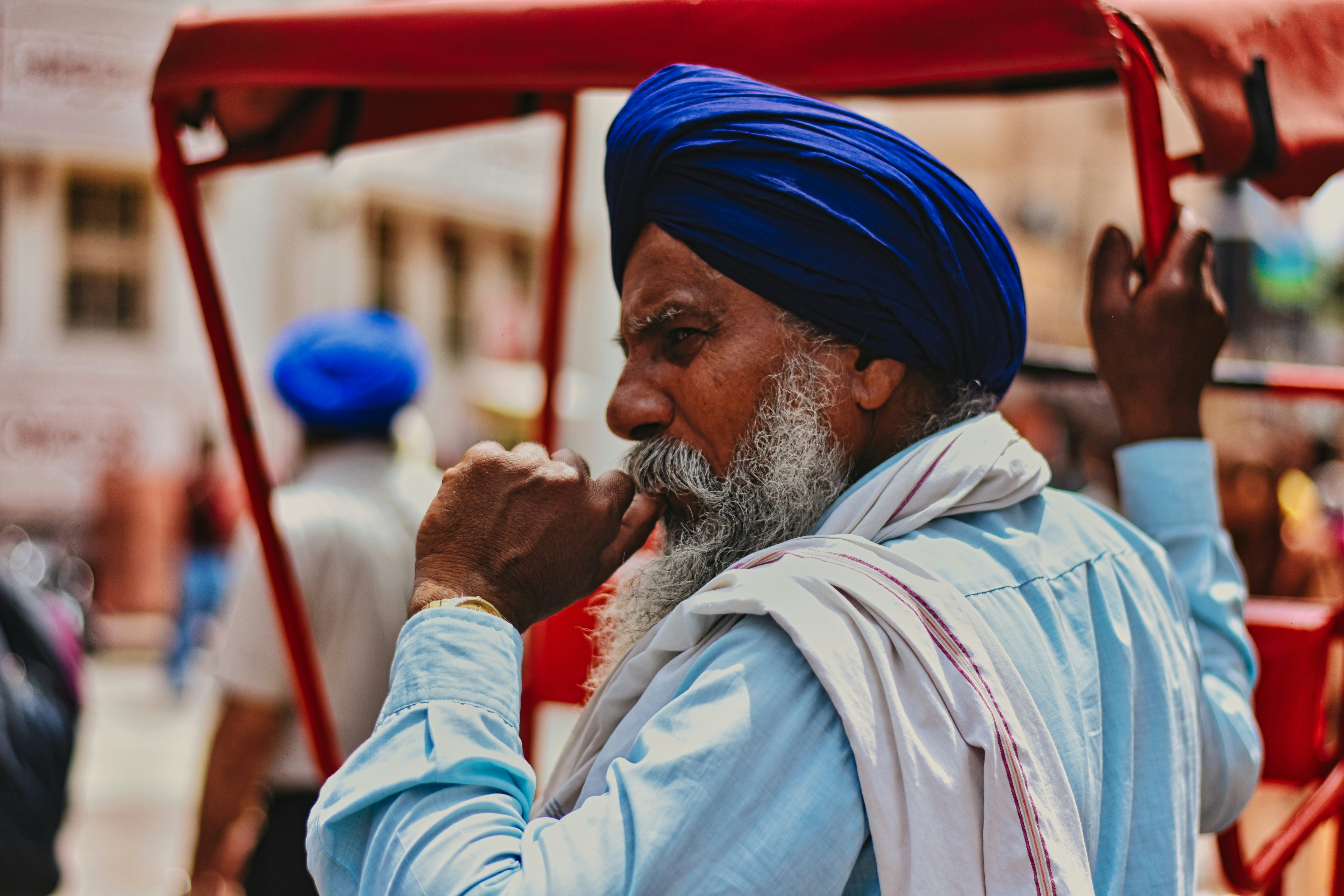

As spring arrives in April 2026, Punjabi communities across America prepare for one of their most significant celebrations: Baisakhi, also known as Vaisakhi. This vibrant festival combines ancient agricultural traditions with profound religious significance, creating a celebration that resonates deeply within Sikh harvest festival observances throughout the United States.
The Agricultural Roots of Baisakhi
Baisakhi originated as a harvest festival celebrating the spring crop in the Punjab region, marking the end of the winter crop harvest season for wheat and barley. This agricultural foundation remains central to understanding the festival's significance, even as it has evolved to encompass broader cultural and religious meanings. The timing coincides with the Punjabi celebrations America communities hold to honor their farming heritage and the abundance that sustains their families.

Welcome to United Tribes
Where Indian Culture Comes Alive
Join Your Tribe
Connect with your people
Discover Events
Watch parties & festivals
Find Indian Businesses
Restaurants, markets & more
Earn Crown Credits
Get rewarded for engaging
Traditional agricultural elements continue to play a prominent role in modern celebrations. Many gurdwaras incorporate displays of wheat sheaves, seasonal produce, and farming tools to educate younger generations about their agricultural heritage. Community gardens and farms often host special events during Baisakhi season, allowing urban Punjabi families to reconnect with the land-based traditions that shaped their ancestors' lives.
The festival's agricultural significance extends beyond symbolism into practical community engagement. Punjabi-American farmers across states like California's Central Valley and other agricultural regions often organize farm visits and educational programs during Baisakhi, sharing traditional farming wisdom while highlighting modern sustainable practices that honor both heritage and environmental stewardship.
Religious Significance in Sikh Tradition
For Sikhs worldwide, Baisakhi holds exceptional religious importance as the day Guru Gobind Singh established the Khalsa in 1699. This momentous event transformed the festival from a purely agricultural celebration into a cornerstone of Sikh identity and faith. Sikh harvest festival observances in American gurdwaras emphasize this dual nature, weaving together themes of spiritual renewal and gratitude for divine providence.
The establishment of the Khalsa formalized Sikh religious and social principles, including the Five Ks (Panj Kakar) that practicing Sikhs maintain. American gurdwaras use Baisakhi as an opportunity to educate both Sikh and non-Sikh visitors about these traditions, fostering understanding and preserving religious knowledge within diaspora communities.
Gurdwara Celebrations and Community Gatherings
Gurdwaras across the United States transform into vibrant centers of celebration during Baisakhi observances. These sacred spaces host extended programs that can span entire weekends, featuring special prayers, kirtan (devotional music), and community meals that welcome participants from all backgrounds. The tradition of langar, or community kitchen, takes on special significance during Baisakhi as volunteers prepare an elaborate feast featuring traditional Punjabi dishes.
Special religious ceremonies include the reading of the Guru Granth Sahib, the Sikh holy book, and the performance of traditional ardas (prayers) that specifically honor the festival's significance. Many gurdwaras organize educational programs that explain Baisakhi's historical importance to younger community members and interested visitors, ensuring that knowledge passes effectively from generation to generation.
Music and Dance Traditions
The cultural celebration of Baisakhi comes alive through traditional Punjabi music and dance, filling communities with energy and joy. Bhangra, the exuberant folk dance associated with harvest celebrations, takes center stage during Vaisakhi parade traditions and community gatherings throughout America. The rhythmic beats of the dhol drum and the colorful, coordinated movements of dancers create an atmosphere of pure celebration that draws participants of all ages.
Traditional musical instruments, including the tabla, harmonium, and tumbi, accompany singers performing classical Punjabi folk songs that tell stories of harvest, love, and community life. Many American Punjabi communities have established cultural schools and performance groups dedicated to preserving these musical traditions, offering lessons to young people who may be several generations removed from Punjab but still feel deeply connected to their cultural heritage.
Cultural Performance Groups and Youth Engagement
Youth bhangra teams have become particularly popular in American Punjabi communities, combining traditional dance forms with contemporary presentation styles that appeal to younger generations. These groups often perform at Baisakhi celebrations, cultural festivals, and community events throughout the year, serving as cultural ambassadors who introduce Punjabi traditions to diverse audiences.
Many communities also organize giddha competitions specifically for women and girls, celebrating this traditional Punjabi folk dance that emphasizes storytelling through movement and song. These performances often incorporate themes relevant to the Punjabi-American experience, creating new verses and movements that reflect contemporary community life while honoring traditional forms.
American Punjabi Community Celebrations
Punjabi celebrations organized by America's communities reflect the diversity and creativity of diaspora cultural expression. Major metropolitan areas with significant Sikh and Punjabi populations, including Los Angeles, San Francisco, New York, Chicago, and Washington DC, host elaborate public celebrations that showcase their cultural heritage while inviting broader community participation.
Community centers, cultural organizations, and interfaith groups often collaborate to organize Baisakhi festivals that feature food vendors, cultural performances, educational exhibits, and family-friendly activities. These events serve multiple purposes: celebrating Punjabi heritage, educating the broader public about Sikh and Punjabi culture, and providing opportunities for community members to connect with their traditions and with each other.
Food plays a central role in these celebrations, with traditional dishes like sarson da saag, makki di roti, chole, and various sweet treats taking center stage. Many events feature cooking demonstrations and food history presentations that help preserve culinary knowledge while adapting traditional recipes to ingredients and techniques available in American kitchens.
Regional Variations in Celebration
Different regions of the United States have developed their own distinctive approaches to Baisakhi celebrations, reflecting local demographics, available resources, and community preferences. West Coast celebrations often emphasize large-scale public events and parades, taking advantage of favorable weather and the concentration of Punjabi populations in California's Central Valley and Bay Area.
East Coast communities frequently focus more on indoor gurdwara celebrations and cultural center events, adapting to different climate conditions and urban environments. These celebrations often incorporate educational components designed for diverse audiences, reflecting the multicultural environments of cities like New York and Washington DC.
Midwest and Southern communities with smaller but growing Punjabi populations often organize regional gatherings that bring together families from multiple states, creating opportunities for community building and cultural exchange that might not be possible in areas with less demographic concentration.
As communities prepare for Baisakhi celebrations, the integration of cultural heritage with modern American life becomes increasingly sophisticated and meaningful. Punjabi communities demonstrate how traditional festivals can strengthen both cultural identity and broader community bonds. The festival continues to evolve while maintaining its core elements of gratitude, community service, and cultural pride that make it such an important part of Punjabi-American life.
Many families also incorporate elements inspired by their broader cultural celebrations, blending different traditions while maintaining the authentic spirit of Baisakhi. This might include creative home decorating ideas that reflect Punjabi aesthetics and seasonal themes, creating festive environments that honor both heritage and contemporary American lifestyle.
Celebrating Heritage Through Community Unity
Baisakhi embodies the ongoing commitment of Punjabi communities across America to preserve their cultural heritage while contributing to the diverse tapestry of American society. Through vibrant parades, meaningful gurdwara gatherings, traditional music and dance, and community service, these celebrations demonstrate how cultural festivals can build bridges between generations and communities while maintaining authentic connections to ancestral traditions.
The festival's dual nature as both a harvest celebration and a religious observance provides a powerful framework for understanding how diaspora communities maintain their identity while adapting to new environments. As Punjabi families prepare for Baisakhi 2026, they continue the important work of cultural preservation and community building, strengthening both their own heritage and the broader American cultural landscape.
Visit United Tribes today to learn more about Indian culture and community celebrations that bring people together across the United States.
Make United Tribes Your Preferred Source
Add United Tribes on Google to get the latest stories, cultural updates, and community events directly in your Google Search and Top Stories.


