
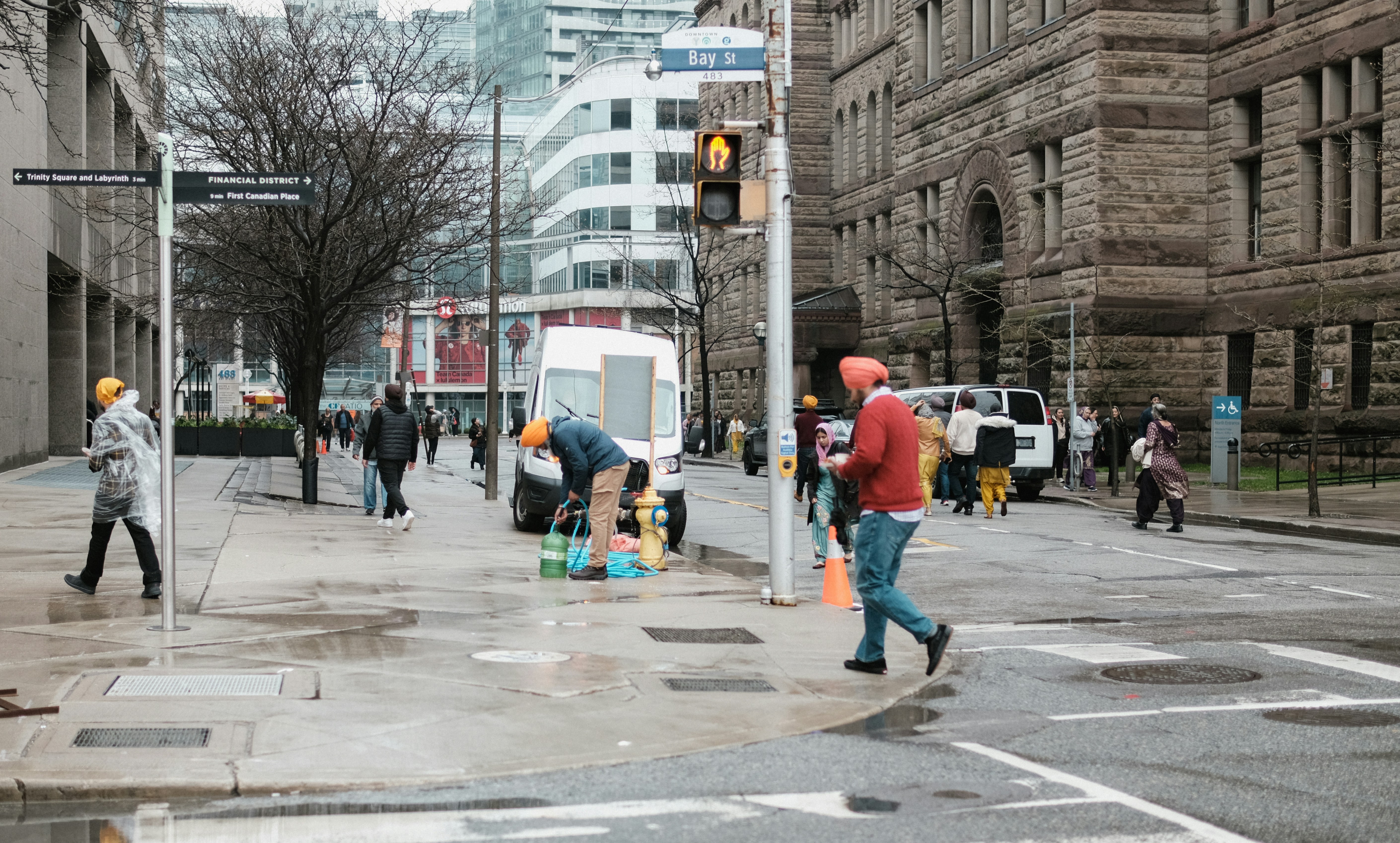


As spring approaches in 2026, Punjabi communities across North America are preparing for one of their most cherished celebrations - Baisakhi. This vibrant festival, marking both the harvest season and the formation of the Khalsa, transforms cities from Vancouver to New York into colorful displays of Sikh heritage and Punjabi culture. The Baisakhi parade promises to be particularly spectacular, with communities planning elaborate processions, traditional performances, and authentic culinary experiences that showcase the rich traditions of the diaspora.
The Significance of Baisakhi in North American Communities
Baisakhi holds profound meaning for Punjabi communities living across North America, serving as both a religious observance and a celebration of cultural identity. Originally marking the spring harvest in Punjab, this festival has evolved into a powerful symbol of community unity for the diaspora. The Punjabi spring festival celebrations demonstrate how traditional festivals adapt and flourish in new environments while maintaining their essential spiritual and cultural significance.
For Sikh families in North America, Baisakhi commemorates Guru Gobind Singh's establishment of the Khalsa in 1699, making it one of the most important dates in the Sikh calendar. The festival typically falls on April 13th or 14th, coinciding with the solar new year in the Punjabi calendar. In 2026, communities are expecting record participation as more families embrace the opportunity to share their heritage with neighbors and celebrate their identity openly.
The celebrations extend far beyond religious observance, encompassing the broader Punjabi cultural experience. Traditional bhangra performances, folk music, and authentic cuisine create an immersive experience that connects younger generations with their roots while introducing non-Punjabi neighbors to the richness of South Asian culture.
Major Parade Locations and Community Gatherings
North American cities with significant Punjabi populations host the most elaborate Baisakhi traditions and diaspora celebrations. Toronto leads the way with its massive parade through the Gerrard India Bazaar area, where thousands of participants march alongside decorated floats, traditional music groups, and community organizations.
Vancouver's Historic Celebrations
Vancouver's Baisakhi parade ranks among the largest outside India, with the city's substantial Punjabi population creating a festival atmosphere throughout South Vancouver and Surrey. The 2026 celebrations are expected to feature over 100,000 participants and spectators, making it one of the most significant cultural events in Western Canada.
California's Multi-City Festivities
California hosts multiple Baisakhi celebrations, with significant events planned in the San Francisco Bay Area, Los Angeles, and the Central Valley. Fremont's parade has become particularly notable for its family-friendly atmosphere and extensive food vendors, while Yuba City's celebration honors the region's deep agricultural connections to Punjabi heritage.
East Coast Community Celebrations
New York's Baisakhi celebration centers around Richmond Hill in Queens, an area often called "Little Punjab" for its concentration of South Asian businesses and families. The parade route winds through Jamaica Avenue, featuring performances by local bhangra teams and displays by regional gurdwaras.
Traditional Elements and Cultural Displays
The Sikh community's April celebrations showcase authentic traditions that have been carefully preserved and adapted for North American settings. Nagar Kirtan processions lead most parades, featuring the Guru Granth Sahib carried in decorated vehicles accompanied by devotional music and community members carrying traditional flags and banners.
Bhangra and Giddha performances energize crowds throughout the parade routes, with dance teams ranging from children's groups to professional companies. These performances serve multiple purposes - entertaining spectators, preserving traditional art forms, and providing younger community members with meaningful ways to connect with their heritage. Many teams spend months preparing choreography that tells stories from Punjabi history and culture.
Traditional dress creates a spectacular visual element, with participants wearing vibrant turbans, flowing salwar kameez, and elaborate Punjabi suits. Many families coordinate their outfits in bright yellows, oranges, and reds that symbolize the harvest season and new beginnings.
Culinary Traditions and Food Festivals
Food plays a central role in Baisakhi celebrations, with communities organizing extensive langar (community kitchen) services and food festivals. Traditional preparations include sarson da saag with makki di roti, representing the spring harvest, alongside sweet treats like jalebi and kheer that mark the festive occasion.
Community volunteers work tirelessly to prepare thousands of meals, embodying the Sikh principle of seva (selfless service). These massive cooking operations require weeks of planning and demonstrate the organizational strength of North American Punjabi communities. Many gurdwaras expand their usual langar operations to serve parade participants and visitors throughout the celebration period. Street food vendors add another dimension to the festivities, offering popular snacks like samosas, chole bhature, and fresh lassi.
Music and Cultural Performances
The soundtrack of Baisakhi celebrations combines traditional and contemporary elements, reflecting the dynamic nature of Punjabi spring festival observances. Dhol players lead parade processions, their rhythmic beats energizing marchers and spectators alike. Many communities feature live performances by renowned artists who travel from across North America to participate in the celebrations.
Traditional folk music performances tell stories of Punjab's agricultural heritage, heroic tales, and spiritual devotion. These musical presentations serve educational purposes, helping younger generations understand their cultural history while entertaining diverse audiences. Many communities organize evening concerts following the day's parade activities, extending the celebration late into the night.
Contemporary Punjabi music artists often participate in Baisakhi celebrations, bridging generational gaps and attracting younger attendees who might otherwise feel disconnected from traditional observances.
Community Building and Cultural Pride
Baisakhi traditions serve as powerful community-building events that strengthen bonds within Punjabi communities while building bridges with neighboring groups. Many cities report increased civic engagement among Punjabi residents following successful Baisakhi celebrations, as the events demonstrate cthe community'soorganizationalcapabilities and cultural contributions to local society.
The festivals provide opportunities for community organizations to showcase their work, from youth programs to senior services, creating awareness about available resources and encouraging participation. Local businesses often sponsor floats and activities, demonstrating the economic vitality of Punjabi communities and their investment in local prosperity.
Educational components help non-Punjabi attendees understand Sikh history, religious practices, and cultural traditions. Many parades include informational displays, cultural demonstrations, and opportunities for visitors to ask questions and learn about the community.
Planning and Preparation for 2026 Celebrations
Communities across North America began planning their Sikh community events months, with organizing committees coordinating permits, volunteers, performers, and vendors. The scale of these celebrations requires extensive collaboration between community organizations, local authorities, and business sponsors.
Volunteer recruitment efforts focus on engaging younger community members, providing leadership development opportunities, while ensuring cultural knowledge transfer between generations. Many celebrations feature mentorship programs where experienced organizers train newcomers in event planning, cultural protocols, and community engagement strategies.
Safety planning receives significant attention, with organizers working closely with local law enforcement and emergency services to ensure smooth, secure celebrations. The large crowds and street closures require careful coordination, but communities have developed expertise in managing these logistics through years of successful event execution.
The festivals create a significant economic impact in host communities, with increased business for local restaurants, hotels, and shops. Many cities actively support Baisakhi celebrations as cultural tourism events that showcase diversity and attract visitors from across the region. Looking ahead, these celebrations often inspire creative approaches to cultural expression and community engagement throughout the year.
Celebrating Heritage Through Community Unity
The 2026 Baisakhi parades across North America represent more than festive celebrations - they embody the resilience, pride, and unity of Punjabi communities who have successfully preserved their cultural heritage while contributing meaningfully to their adopted countries. These vibrant gatherings demonstrate how traditional festivals can evolve and flourish in diaspora communities, creating spaces where multiple generations can connect with their roots while building bridges with neighbors from all backgrounds.
Visit United Tribes today to learn more about Indian culture and community celebrations that bring heritage to life throughout North America.


