
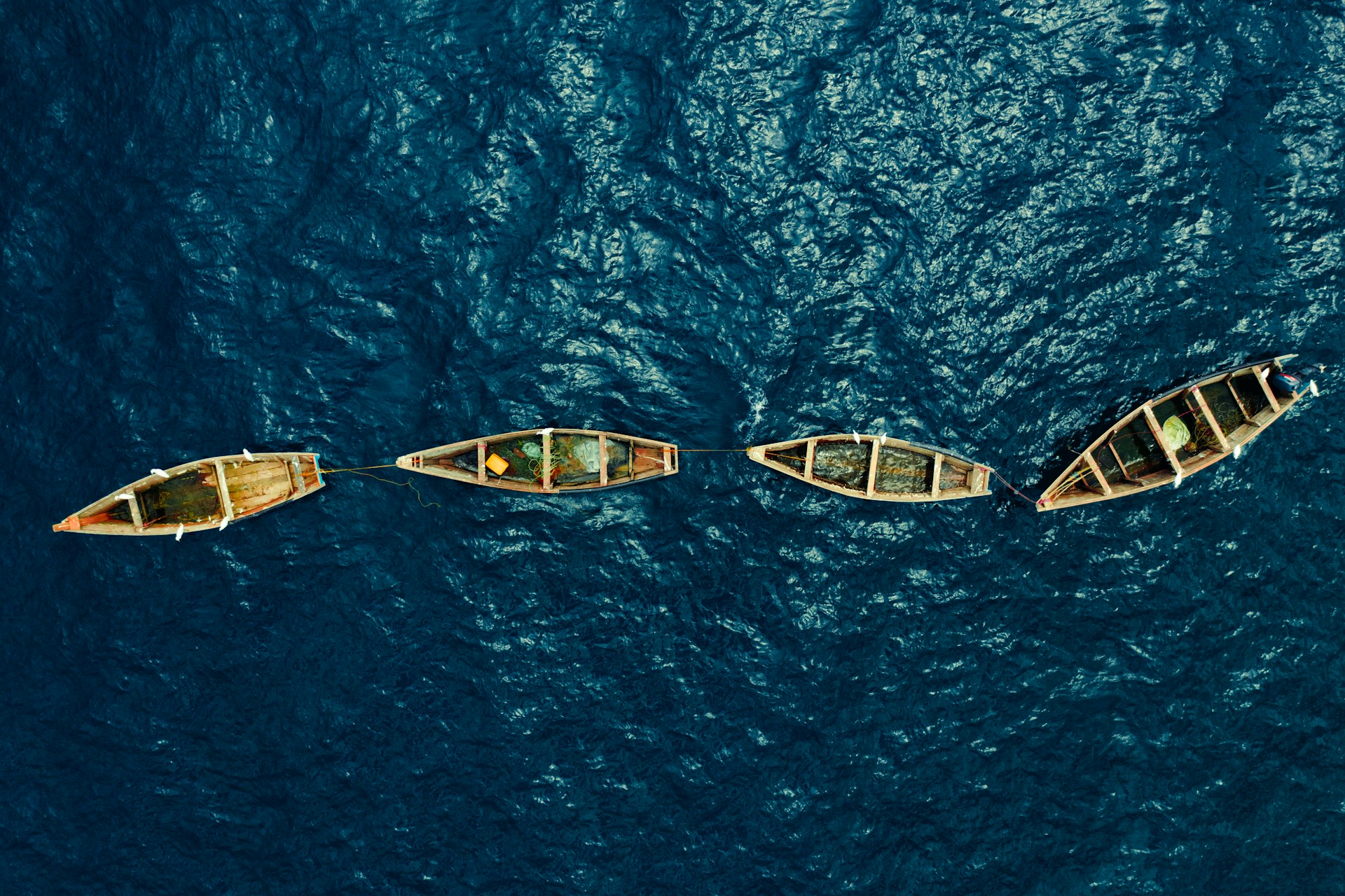

The balangay boat, a relic of Philippine history, embodies the adventurous spirit that carried Filipino ancestors across vast Pacific waters centuries ago. Today, Filipino-American communities across the United States continue to celebrate this maritime legacy through cultural events, museum exhibitions, and educational programs that connect modern diaspora with their seafaring roots.
These magnificent wooden boats, also known as butuan boats, served as the backbone of early Filipino civilization, enabling trade, exploration, and cultural exchange throughout Southeast Asia. As Filipino communities flourish in American cities from California to New York, the balangay's symbolic power continues to inspire cultural preservation efforts and community gatherings.

Welcome to United Tribes
Where Filipino Culture Comes Alive
Join Your Tribe
Connect with your people
Discover Events
Watch parties & festivals
Find Filipino Businesses
Restaurants, markets & more
Earn Crown Credits
Get rewarded for engaging
The Ancient Legacy of Balangay Vessels
Archaeological discoveries in Butuan, Agusan del Norte, have revealed balangay boats dating back to 320 AD, making them among the oldest watercraft found in Southeast Asia. These vessels, constructed without metal nails and held together by wooden pegs and plant fiber lashings, demonstrate the sophisticated shipbuilding techniques of ancient Filipino craftsmen.
Traditional construction methods involved selecting specific types of wood, primarily lawaan or other hardwood varieties, and carefully shaping each plank to create the boat's distinctive curved hull. Master boat builders, known as panday, passed down their knowledge through generations, ensuring that each balangay possessed the strength and flexibility needed for long ocean voyages.
The boats typically measured 15 to 25 meters in length and could accommodate 60 to 90 people, along with supplies for extended journeys. Their shallow draft design allowed navigation through both open seas and inland waterways, making them incredibly versatile for trade missions and community transportation throughout the Philippine archipelago.
Maritime Heritage in Filipino Community Building
Filipino maritime heritage extends far beyond boat construction. It represents the foundation of community cooperation and shared purpose that characterized early Filipino societies. Balangay expeditions required extensive planning, with entire communities contributing resources, manpower, and expertise to ensure the success of voyages.
This collaborative spirit manifested in various aspects of boat operation, from navigation techniques based on star patterns and ocean currents to the distribution of responsibilities among crew members. Each expedition functioned as a self-sustaining community, with established hierarchies, shared meals, and collective decision-making processes that fostered strong social bonds.
The balangay also served ceremonial and spiritual purposes, often being blessed by community elders before important journeys and decorated with traditional symbols that represented protection and prosperity. These cultural practices reinforced the boat's significance as more than mere transportation and became a sacred vessel carrying the hopes and dreams of entire communities.
Filipino-American Cultural Preservation Efforts
Filipino-American communities have embraced the balangay as a powerful symbol of heritage preservation, organizing festivals and educational programs that introduce younger generations to their maritime ancestry. The Filipino Cultural Center in San Francisco regularly hosts balangay-themed workshops where participants learn traditional boat-building techniques and explore the historical significance of these vessels.
Museum exhibitions across the country feature replica balangay boats alongside artifacts and interactive displays that bring ancient Filipino seafaring traditions to life. The National Museum of the Filipino American Experience in New York features a dedicated maritime section, where visitors can explore detailed models and learn about the significant role these boats played in early Filipino civilization.
Community organizations frequently incorporate balangay imagery into cultural celebrations, using the boat's distinctive silhouette in festival decorations and promotional materials. These visual references serve as conversation starters, encouraging Filipino-Americans to share stories about their ancestral connections to the sea and the adventurous spirit that brought their families to America.
Festival Celebrations and Cultural Events
Annual Filipino Heritage Month celebrations often feature balangay boat-building demonstrations, where skilled craftsmen recreate traditional construction methods using authentic materials and tools. These hands-on exhibitions attract diverse audiences, allowing non-Filipino visitors to appreciate the sophistication of ancient Filipino maritime technology.
Cultural centers organize "Balangay Spirit" themed events that combine historical education with contemporary Filipino arts, Philippine folk dance, and the preservation of culture through movement, music performances, and traditional food offerings. These gatherings create opportunities for community members to connect with their heritage while sharing their culture with broader American audiences.
Children's programs focus on storytelling sessions that recount legendary balangay voyages and the brave Filipino navigators who explored unknown waters in search of new lands and trading opportunities. These educational initiatives help young Filipino-Americans understand their ancestral connection to the sea and develop pride in their maritime heritage.
Museums and Educational Institutions
Several American museums have developed comprehensive exhibits dedicated to Filipino maritime history, featuring authentic balangay artifacts alongside modern interpretations of ancient boat-building techniques. The Asian Art Museum in San Francisco regularly rotates its Filipino maritime collection, allowing visitors to explore various aspects of balangay culture throughout the year.
Educational partnerships between Filipino-American organizations and local museums have led to traveling exhibitions that showcase the balangay heritage in communities with significant Filipino populations. These collaborative efforts often include lecture series, documentary screenings, and hands-on workshops that engage multiple generations in cultural learning experiences.
University programs in maritime archaeology have also contributed to balangay preservation efforts, with research projects that document traditional construction methods and explore the boats' role in early Southeast Asian trade networks. Filipino-American students participating in these academic initiatives often become cultural ambassadors, sharing their research findings at community events and cultural festivals.
Contemporary Balangay Reconstruction Projects
Modern reconstruction efforts have successfully created seaworthy balangay replicas using traditional materials and construction techniques researched by maritime historians and Filipino craftsmen. These projects serve both educational and ceremonial purposes, allowing communities to experience authentic sailing conditions while honoring their ancestors' maritime achievements.
The Balangay Voyage Project represents one of the most ambitious contemporary tributes to Filipino maritime heritage, featuring a replica boat that has successfully completed ocean voyages retracing ancient Filipino trade routes. This initiative demonstrates the seaworthiness of traditional designs while generating international recognition for Filipino maritime expertise.
Filipino-American communities have supported these reconstruction efforts through fundraising campaigns and volunteer participation, with many community members traveling to the Philippines to assist in traditional boat-building workshops. These cross-cultural exchanges strengthen connections between diaspora communities and their homeland while preserving invaluable maritime knowledge.
Modern Cultural Integration
Contemporary Filipino-American artists have incorporated balangay imagery into various creative expressions, from traditional paintings and sculptures to modern digital art and fashion design. These artistic interpretations help maintain cultural relevance while attracting younger generations who might otherwise feel disconnected from their maritime heritage.
Cultural fusion opportunities arise when balangay themes combine with other aspects of Filipino-American culture, such as Filipino street food in America, from isaw to balut festivals, where maritime history complements culinary traditions. These multifaceted celebrations offer comprehensive cultural experiences that cater to diverse community interests.
Food festivals frequently feature displays about the role balangay boats played in spreading Filipino culinary traditions throughout Southeast Asia, connecting historical maritime activities with contemporary interests in ube craze from Philippine roots to US dessert menus and other Filipino flavors gaining popularity in American markets.
Preserving Maritime Heritage for Future Generations
The balangay spirit continues to navigate through Filipino-American communities, carrying forward centuries of maritime wisdom and cultural identity. From museum exhibitions to community festivals, these ancient vessels serve as bridges connecting modern Filipino Americans with their seafaring ancestors, who possessed the courage to explore unknown waters in search of new opportunities.
Cultural preservation efforts surrounding balangay boats demonstrate the power of heritage education in strengthening community bonds and fostering pride in Filipino maritime achievements. As younger generations participate in boat-building workshops and cultural celebrations, they develop deeper connections to their ancestral legacy while contributing to the ongoing preservation of these invaluable traditions.
The enduring influence of Filipino maritime heritage in American communities reflects the same adventurous spirit that guided ancient navigators across Pacific waters: a determination to explore new horizons while maintaining strong connections to cultural roots. Visit United Tribes today and find out more about Filipino culture and community celebrations that honor this remarkable maritime legacy.
Make United Tribes Your Preferred Source
Add United Tribes on Google to get the latest stories, cultural updates, and community events directly in your Google Search and Top Stories.


