


There is something electric about match day in Panama. The streets fill with color, music pulses from every corner, and the smell of sizzling food drifts through the air long before kickoff. For Panamanians, football is a communal experience rooted in pride, family, and flavor. Whether you are gathering at a local tienda, crowding around an outdoor screen, or heading to the stadium, the food you eat before the match is as much a part of the ritual as the game itself. This guide celebrates the Panamanian street food traditions that make match day truly unforgettable.
The Culture of Eating Before the Game
In Panama, pre-match eating is a social event in its own right. Vendors set up carts hours before kickoff, neighborhoods come alive with the sound of chopping and frying, and families share plates on sidewalks and plastic chairs. Panamanian football food culture is deeply tied to community — it is loud, generous, and deeply satisfying. Eating together before the game is a way of saying: we are in this together. The streets become an extension of the stadium, and every bite carries the anticipation of what is to come.
Hojaldre: The Ultimate Match Day Snack
No pre-match spread in Panama is complete without hojaldre. These deep-fried dough fritters are crispy on the outside, pillowy on the inside, and endlessly versatile. Vendors fry them fresh to order, and they pair beautifully with everything from cheese to saltfish. Hojaldre often appears alongside eggs or sliced avocado for a filling start before a long afternoon of cheering.
What makes hojaldre so beloved is its simplicity and speed. A few ingredients — flour, baking powder, salt, and water — transform in hot oil into something irresistible. Street vendors across Panama City and Colón sell them by the bag, making them the perfect grab-and-go snack as fans make their way to viewing spots.
Carimañolas: Fried Yuca Stuffed with Flavor
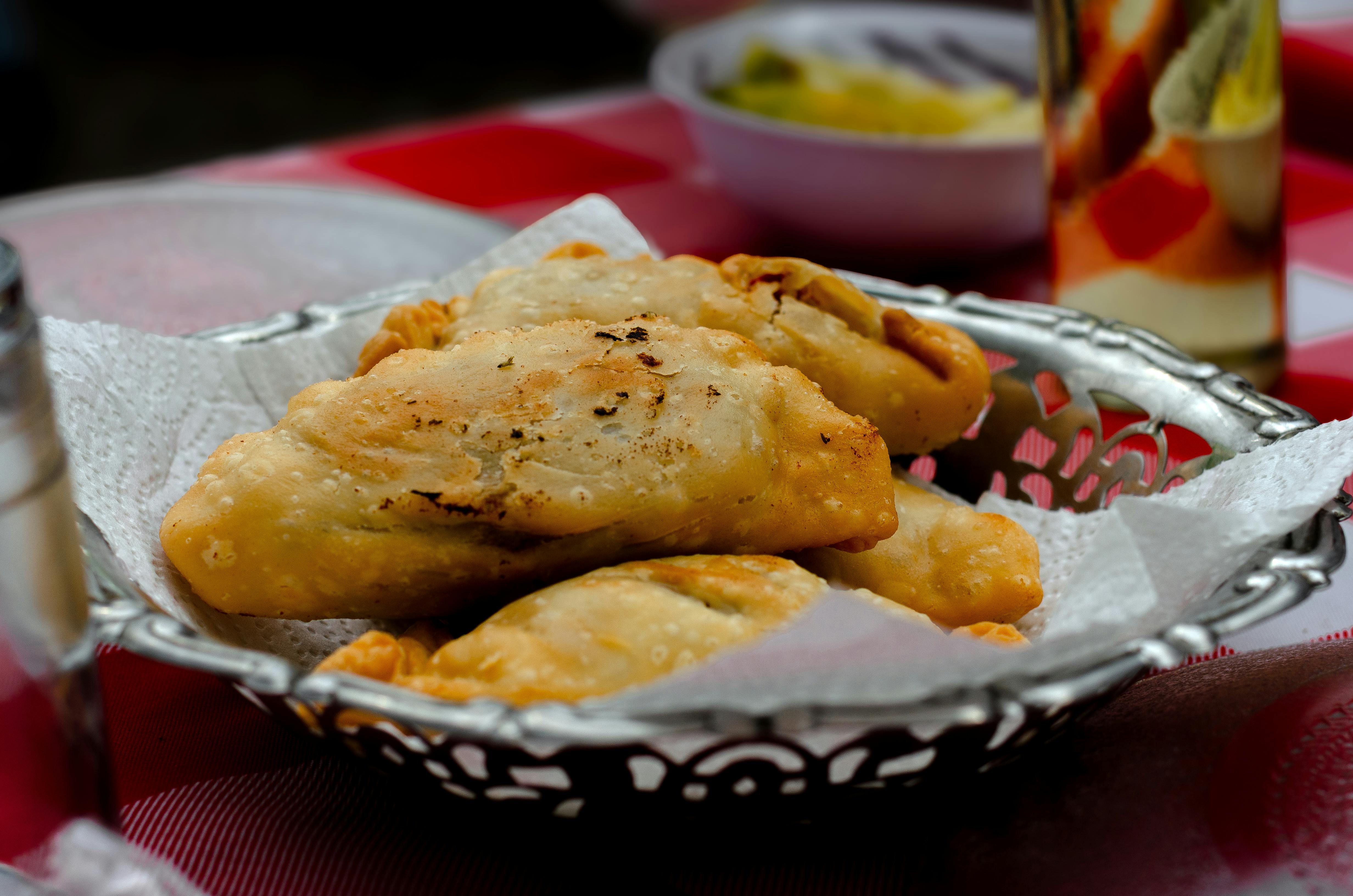
Another cornerstone of Panamanian street food is the carimañola — a torpedo-shaped fritter made from mashed yuca and stuffed with seasoned ground beef or cheese. The exterior crisps up beautifully in the fryer while the filling stays moist and savory. Carimañolas are a staple at street stalls and family gatherings alike, and on match day, they disappear fast.
Their portability makes them ideal for football fans on the move. You can hold one in your hand, eat it in a few bites, and get back to the conversation about lineup predictions and betting on the final score. They are hearty enough to keep you fueled through extra time if needed.
Sancocho: Soul Food Before the Showdown
While technically a soup, sancocho earns its place on any match day food list because of its deep cultural significance. This slow-simmered chicken and root vegetable stew — loaded with yuca, name, and culantro — is Panama's national comfort dish. On big game days, large pots appear in backyards and community spaces, simmering for hours.
Sancocho is the kind of food that gathers people around a table before they gather around a screen. Sharing a bowl before kickoff is a Panamanian tradition that transcends football — it is about togetherness, memory, and the flavors of home. Many families insist that no match day is truly ready until the sancocho pot is on the stove.
Patacones and Ceviche: The Perfect Pair
Few combinations speak more directly to Panama's football food culture than patacones and ceviche. Patacones — twice-fried green plantain slices — are crispy, golden, and endlessly snackable. They serve as edible utensils for scooping up ceviche or topping with pulled chicken, beans, or guacamole. Street vendors across Panama load them with toppings and sell them for a few dollars, making them a fan favorite at any outdoor gathering.
Panamanian ceviche is a refreshing contrast to the heavier fried foods. Made with fresh sea bass, lime juice, onions, and ají chombo (hot pepper), it is bright, tangy, and cooling — exactly what you need in the tropical heat before cheering for hours. Together, patacones and ceviche define the sensory experience of match-day Panamanian cuisine.
Raspados and Cold Drinks to Beat the Heat
Panama's tropical climate means cold drinks are essential during match days. Raspados (shaved ice cups drenched in fruit syrups like tamarind, mango, and passion fruit) are sold from colorful carts across the city. Vendors shave the ice by hand and drizzle syrup over it in generous amounts, sometimes adding condensed milk for extra indulgence.
Alongside raspados, chicheme — a creamy corn drink flavored with vanilla and cinnamon — is a beloved refreshment. It is filling, sweet, and deeply rooted in Panamanian tradition. For those wanting something cold and fermented, chicha made from fermented corn or fruit is another match-day staple that connects fans to indigenous foodways.
Where to Find Match Day Food in Panama
The best spots for pre-match eating are not always restaurants. Look for:
- Street carts near stadiums and public viewing areas for hojaldre, carimañolas, and patacones
- Local mercados like Mercado de Mariscos in Panama City for fresh ceviche
- Community gatherings in neighborhoods like El Chorrillo and Calidonia, where sancocho pots simmer on game day
- Roadside freidurías (fry shops) open from early morning through kickoff
- Family homes — the best Panamanian match day food is almost always homemade
Taste the Pride of Panama
Panamanian match day food is cultural storytelling on a plate. From the crunch of a fresh carimañola to the warmth of a shared bowl of sancocho, every dish carries the identity and pride of a nation that takes both its football and its food seriously. The flavors of Panamanian street food are inseparable from the joy of the beautiful game, and experiencing them together is one of the most authentic ways to connect with this vibrant culture.
Whether you are a Panamanian living abroad trying to recreate the match-day atmosphere at home or a curious food lover eager to explore Panama's football food traditions, these dishes offer a genuine window into community, heritage, and celebration. The next time Panama takes the field, let the food be part of your ritual too.
Visit United Tribes today to learn more about Panamanian culture and community — discover businesses, events, and stories that keep this rich heritage alive and thriving across the United States.


