
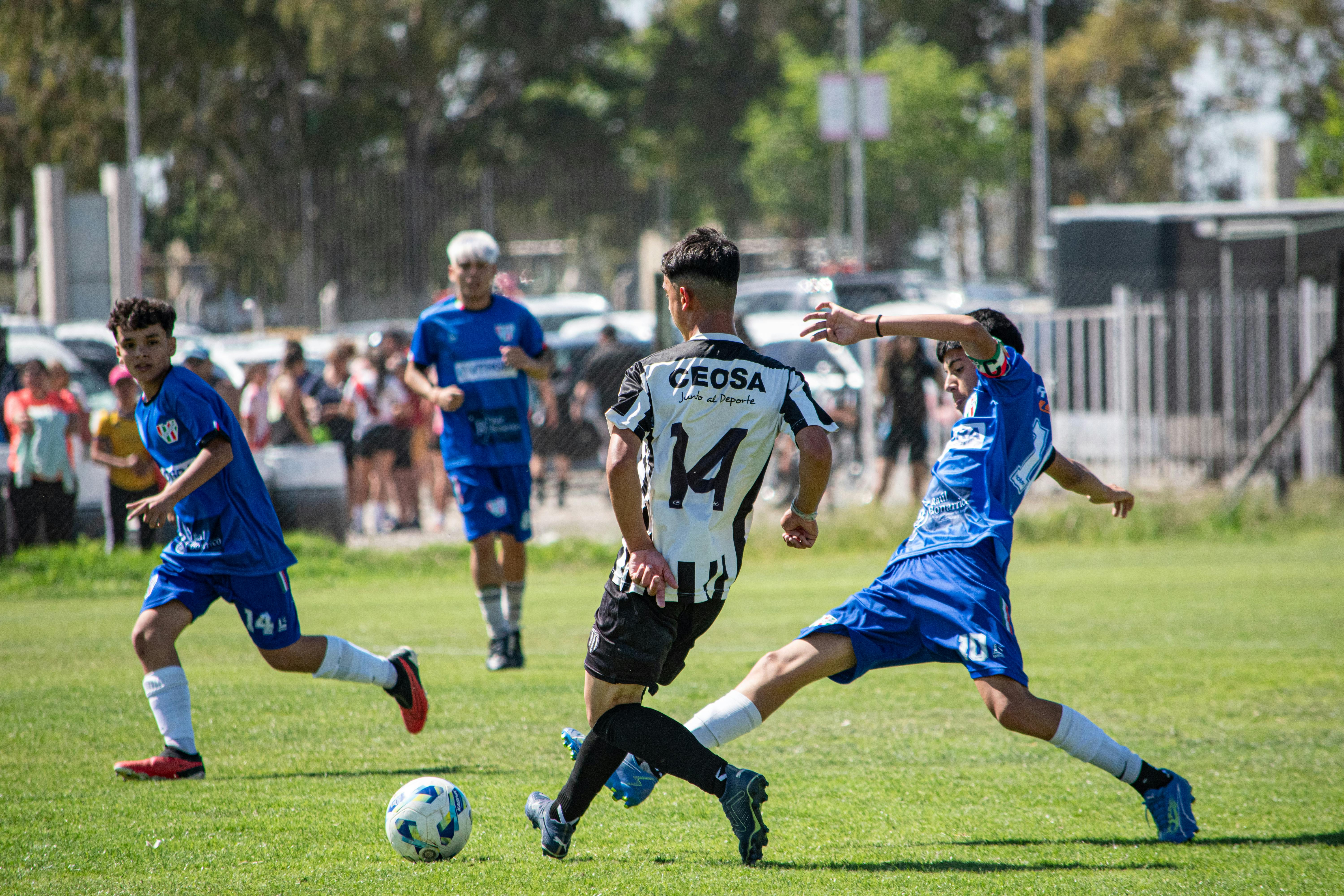


When Football Becomes a Cultural Ceremony
In Uruguay, football is a deeply woven thread in the national identity, binding neighborhoods, families, and generations together. Before a single whistle blows or a single goal is scored, the real ritual has already begun. Across Montevideo and beyond, the hours leading up to a match are filled with the scent of smoke, the warmth of shared yerba mate, and the kind of collective anticipation that only a nation truly obsessed with the beautiful game can produce. Uruguay's match day traditions are cultural ceremonies passed down with as much care as any family recipe.
The Sacred Fire of Asado Before the Match
If there is one constant before Uruguay plays, it is the grill. Asado is an event, a social ritual, and a form of expression. Families and friend groups gather hours before kickoff to light the charcoal or wood fire, slow-cook cuts of beef, chorizo, and morcilla, and share the kind of conversation that only a long, relaxed meal can produce.
Watching the national team, known as La Celeste, is considered worthy of the same preparation as a Sunday family feast. The *parrillero* — the designated grill master — takes their role seriously, managing coals and cuts with quiet expertise. There is no rushing an asado, and that unhurried pace sets the tone for the entire matchday experience.
Common cuts enjoyed during a pre-match asado include:
- Tira de asado — beef short ribs cooked low and slow
- Chorizo — grilled pork sausage, often served in bread
- Morcilla dulce — Uruguay's distinctive sweet blood sausage
- Vacío — flank steak prized for its tenderness
The meal is rarely eaten in a hurry. The cooking itself is the gathering, and by the time the food is ready, friendships have been reinforced, and pre-match predictions have been thoroughly debated.
Mate: The Drink That Never Stops Circulating
While the asado fills the air with smoke, the mate fills the hands. No Uruguayan matchday ritual is complete without the steady circulation of a gourd filled with yerba mate and sipped through a metal straw called a *bombilla*. What makes mate unique — and deeply cultural — is its communal nature. One gourd is prepared and passed continuously around the group, refilled with hot water from a thermos after every sip.
The mate soccer culture in Uruguay is inseparable from how fans experience the game. Fans bring thermoses to outdoor viewing parties, neighborhood squares, and even to stadiums. Holding a mate gourd is a posture of belonging — a signal that you are present, comfortable, and among your people.
There is an entire social language around mate:
- Accepting the gourd signals you are part of the circle
- Returning it without drinking is considered rude
- Saying "gracias" when returning it means you have had enough
- The person who prepares the mate is called the *cebador*, and their skill matters
The Pre-Match Soundtrack and Neighborhood Energy
Beyond food and drink, the streets themselves transform before a major Uruguay fixture. Music drifts from open windows, murga rhythms, and cumbia filling the air. Flags appear on balconies. Blue and white jerseys become the unofficial uniform of every neighborhood. Bars and pulperías fill early, televisions tuned in hours before kickoff for the analysis, the lineups, the speculation.
Neighborhood gatherings — informal and organic — are a defining feature of Uruguayan matchday culture. There is no formal invitation needed. Someone turns on the grill, someone else brings the yerba, and the group assembles almost by instinct. This is especially true during World Cup cycles, when Uruguay's deep football history — two World Cup titles, a legacy of legendary players — elevates every match into something historic.
Superstitions and Personal Rituals
Uruguayan football culture is also rich with personal superstition. Fans wear the same jersey they wore during a previous victory. Some refuse to watch from any chair other than the one they occupied during a winning match. Others follow specific routines — always eating the same food, always beginning the mate before the national anthem plays.
These individual rituals, layered over the collective ones, create a matchday experience that is both deeply personal and powerfully shared. Players themselves carry this culture. Uruguayan footballers are known for bringing mate to training camps and international tournaments, a portable piece of home that travels with the squad wherever La Celeste competes.
Family at the Center of Every Matchday
Perhaps the most defining element of Uruguay's match day traditions is that they are family affairs. Grandparents, parents, children, and cousins all gather. Elders recount matches from decades past. Children absorb the passion alongside their first sips of mate watered down with milk. The ritual teaches belonging — to a family, to a culture, to a nation with an outsized love for the game.
This intergenerational nature ensures that these traditions do not fade. Each matchday is also a transmission of cultural identity, a reminder that being Uruguayan means caring about football in a way that is inseparable from caring about home.
La Celeste Unites More Than Just Fans
Uruguay's matchday rituals reveal something profound: football is the occasion, but culture is the real event. The slow-burning asado, the circulating mate gourd, the neighborhood sounds, and the family gathered around a television together — these are the ingredients of a matchday experience that goes far beyond sport.
Whether you are Uruguayan by birth, by heritage, or simply by admiration, these rituals offer a window into one of Latin America's most passionate football cultures. They remind us that the way a community celebrates a game says everything about what that community values: togetherness, tradition, and the warmth of shared space.
Visit United Tribes today to learn more about Uruguayan culture and community.
, and discover how this remarkable nation's traditions continue to thrive across the United States.


