

Exploring Traditional Hispanic Cuisine Beyond Mexico
When we think of traditional Hispanic dishes, Mexican food often comes to mind first—and for good reason. Beloved staples like tacos, enchiladas, burritos, salsa, and elotes have become ingrained in kitchens and restaurants around the world, earning a permanent place in global food culture. From street vendors to five-star chefs, people everywhere have embraced the bold, comforting flavors of Mexican cuisine.
But Hispanic cuisine is far more diverse than many realize. It stretches well beyond Mexico, encompassing the flavors of Spain and the diverse, vibrant culinary traditions of Latin America. From the hearty stews of the Andean highlands to the fresh, tropical dishes of the Caribbean coast, each country offers its unique take on Hispanic cuisine, with distinctive ingredients, techniques, and cultural stories behind every bite.

Welcome to United Tribes
Where Mexican Culture Comes Alive
Join Your Tribe
Connect with your people
Discover Events
Watch parties & festivals
Find Mexican Businesses
Restaurants, markets & more
Earn Crown Credits
Get rewarded for engaging
In this blog, we’ll explore a selection of dishes that are loved by both Spanish and Latin American communities. These meals, just as flavorful and meaningful as their Mexican counterparts, reflect a shared heritage of food, family, and celebration. Get ready to take your tastebuds on a journey through the rich and diverse world of Hispanic cuisine.
Spain: The Origins of Traditional Hispanic Cuisine
Spanish cuisine inspired Spanish-speaking countries to concoct flavorful dishes. It combines European ingredients with those found during explorations and colonial rule.
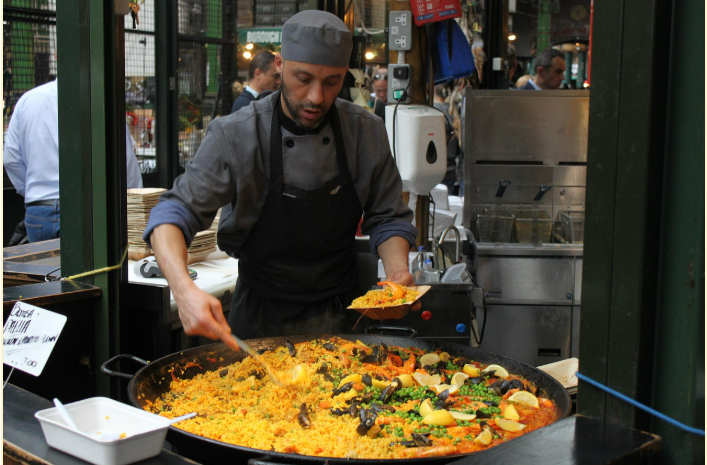
Spain has made and introduced many appetizing dishes, including the famous paella. At most, you’ll need saffron, rice and seafood, chicken, or rabbit meat for this Valencian dish. Each Spanish region has its distinct version of paella, so expect to taste different flavors.
If you’re craving seafood, pulpo a la gallega may satisfy your appetite. The dish originates from Galicia and is traditionally served on the feast day of the patron saint of the city of Lugo. Pulpo a la gallega features boiled octopus seasoned with some quality extra-virgin olive oil, sea salt, and smoked paprika, often served on a wooden plate over sliced potatoes. It shows how thoughtful preparation and thorough sourcing enhance even the simplest of ingredients.
Argentina: Making Hearty Meals with Fire & Beef
Moving across the Atlantic to South America, we’re digging deep into Argentine cuisine. Argentinian cooks use beef in their meals and like it grilled.
- Asado
It’s typically filled with beef, pork, chicken, chorizo, and morcilla. Families and friends cook asado on a parilla (grill) or an open fire, letting the flames heat the ingredients and add smokiness to them. The grilled meat is then served with Chimichurri sauce.
- Empanadas
These shell-like pastries contain various fillings and can be baked or fried until golden brown. Cooks can stuff tasty or sweet fillings into empanadas. In the northwestern province of Salta, empanadas are often filled with beef, potatoes, and peppers. Belize’s empanadas are made from a corn dough called masa and can be filled with beans, fish, or chicken.
Peru: Bringing Traditional & Global Influences Together
- Ceviche
Raw fish marinated in citrus juice and mixed with onions and chili peppers. Often served with cooked sweet potatoes and corn on the cob. Ecuador’s version uses shrimp, tomato sauce, lime juice, and bitter orange with corn kernels on the side.
- Ají de Gallina
A comforting stew of poached chicken in a spicy, creamy, nut-based sauce, poured over rice and boiled potatoes.
Colombia: Regional Diversity on the Plate
- Arepas
Unleavened cornmeal cakes that can be fried, baked, or grilled. Fillings vary from cheese and beans to meat and avocado.
- Bandeja Paisa
- Pork and (red) beans
- White rice
- Ground meat
- Fried pork belly
- A fried egg
- Plantain
- Chorizo
- An arepa
- Hogao sauce
- Black pudding
- Avocado
- Lemon
Bandeja paisa’s origins are traced back to Colombia’s indigenous peoples, as well as Spanish, African, French, and British colonialists.
Puerto Rico: Tropical Flavors with Spanish Roots
- Mofongo
A mound of fried and crushed plantains, garlic, and crispy pork cracklings.
- Arroz con Gandules
Rice, pigeon peas, and pork cooked with sofrito (recao, cilantro, onions, garlic, peppers, and tomatoes). Popular during holidays.
El Salvador: Simple Staples Turned Into Delightful Meals
- Pupusas
Small, round corncakes stuffed with cheese, beans, or meat. Served with curtido, a tangy cabbage, carrot, and onion salad.
Pupusas originate from the Pipil Indians and are so beloved that El Salvador celebrates National Pupusa Day every second Sunday of November.
Cuba: Blending Tradition & Creativity
- Ropa Vieja
- Flank steak
- Tomato sauce
- Onion
- Garlic
- Tomato paste
- Cumin
- Fresh cilantro
- Olive oil
- White wine vinegar
Besides ropa vieja, many Cuban diners enjoy:
- Picadillo
Ground beef simmered in tomato sauce with green olives, peppers, onions, garlic, Latin spices, and raisins.
Chile: From the Sea & Fields to the Dining Table
- Pastel de Choclo
Made with corn, basil, ground beef, and spices. Baked golden using a corn dough base like empanadas.
- Caldillo de Congrio
Rich fish stew made with Chilean conger eel (or other fish), onions, garlic, carrots, tomatoes, and potatoes.
Try Traditional Latino Food & Spanish Cuisine Today
Spain and Latin American countries may have gifted the world with unique dishes and cooking methods, but several things connect them all.
Fresh, locally harvested ingredients, meals with family and friends, and the combination of traditional cooking with European influences sit at the heart of Spanish and Latin American cuisine. Discovering and enjoying dishes beyond Mexican food prompts us to recognize and appreciate the diversity of Hispanic cuisine.
When you try Peruvian ceviche, mofongo, paella, or another Hispanic dish, you’ll taste centuries of traditional cooking passed down to various generations of Hispanic and Latino cooks. Find Spanish and Latino-run restaurants that serve these delicious dishes on United Tribes’ online business directory today. For more information on traditional Hispanic dishes, visit our blog.
Make United Tribes Your Preferred Source
Add United Tribes on Google to get the latest stories, cultural updates, and community events directly in your Google Search and Top Stories.


