
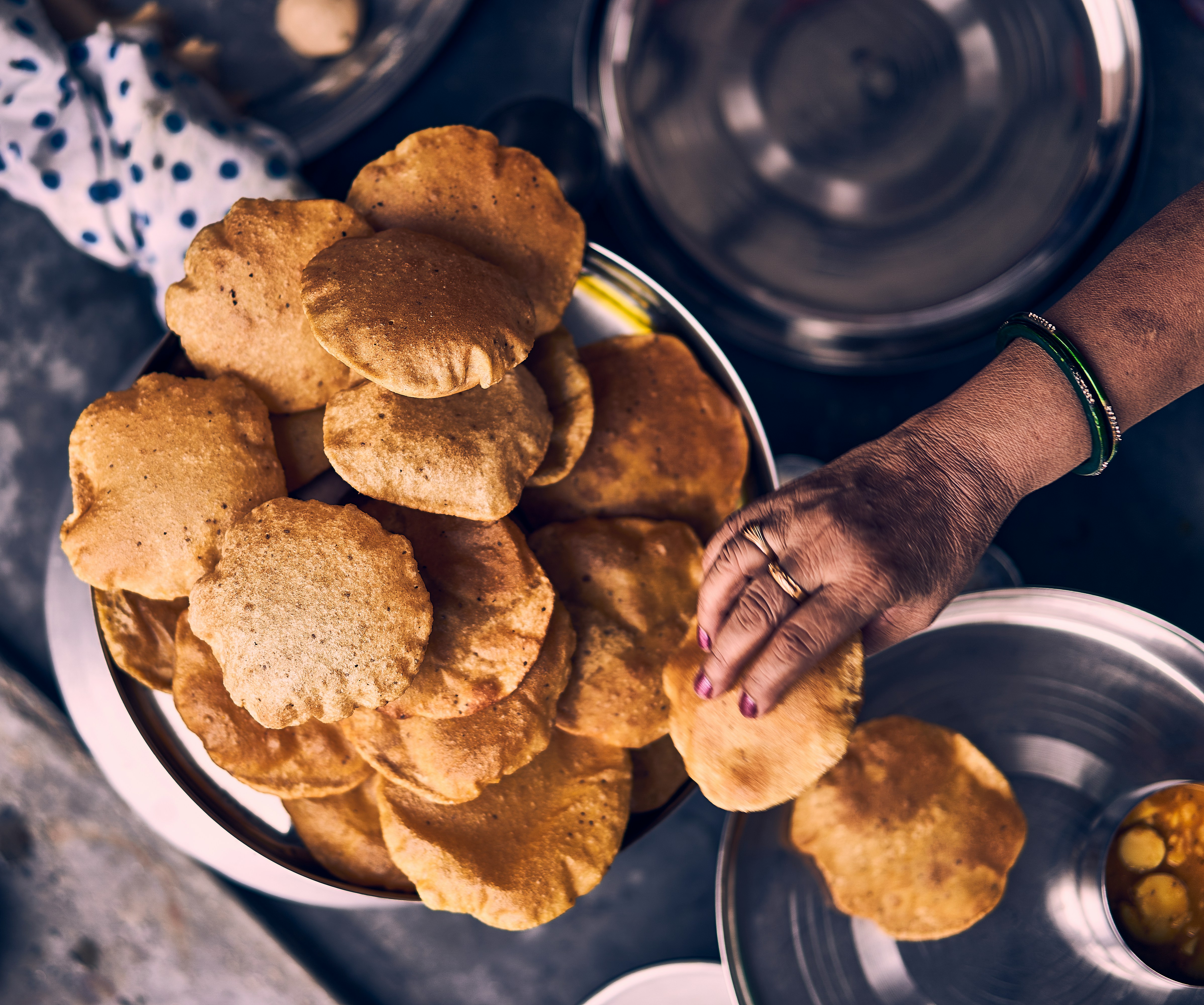


The vibrant celebrations of Indian New Year festivals like Ugadi and Gudi Padwa may last only a few days, but their culinary legacy extends far beyond the festival calendar. These spring celebrations mark new beginnings across India, bringing families together around tables laden with traditional foods that hold deep symbolic meaning.
Long after the festival decorations are stored away and the ceremonial clothes are carefully folded, Indian families across America continue to prepare the same dishes that graced their New Year tables. These foods serve as daily reminders of ancestry, identity, and the cyclical nature of life that these festivals celebrate. From the bitter-sweet taste of neem leaves that opened Ugadi feasts to the sweet puran poli that concluded Gudi Padwa celebrations, these flavors weave themselves into the fabric of year-round family cooking.
The Sacred Tastes That Define New Beginnings
Ugadi food culture centers on experiencing all the flavors of life, traditionally represented by the sacred pachadi, or chutney, which combines six distinct tastes. This symbolic dish doesn't disappear after the festival; instead, its component ingredients become staples in everyday cooking throughout the spring season and beyond. Fresh neem flowers, raw mango, tamarind, jaggery, salt, and chili peppers find their way into weekly meal preparations, each carrying forward the festival's message of accepting life's varied experiences.
The neem flowers that lend the bitter element to Ugadi pachadi become a regular addition to Indian home-cooking spring menus. Families incorporate these purifying leaves into their weekly dal preparations, believing in their cleansing properties as the seasons change.
Raw mango, another essential component of the festival feast, transforms from its ceremonial role into everyday pickles, chutneys, and cooling summer drinks. Mothers and grandmothers prepare large batches of mango pickle during the spring season, ensuring that the tangy, nostalgic flavor remains available for months to come.
Regional Variations in Continuing Traditions
Maharashtra's Gudi Padwa celebration introduces a variety of flavors that linger in family kitchens long after the festival concludes. The traditional Indian festival meals feature puran poli, a sweet flatbread filled with jaggery and lentils, which becomes a weekend treat throughout spring and summer. The technique for making this delicate bread gets passed down through hands-on teaching sessions, where daughters and daughters-in-law learn not just the recipe, but the stories and memories associated with each fold of the dough.
Shrikhand, the creamy saffron-flavored dessert that graces Gudi Padwa tables, evolves into a summer staple in Maharashtrian-American households. Families adapt the traditional recipe for weekly preparation, sometimes simplifying the process while maintaining the essential flavors that connect them to their heritage. The cooling properties of this yogurt-based dessert make it particularly suitable for hot American summers, creating a practical bridge between tradition and contemporary needs.
In families in Andhra Pradesh and Telangana, the Ugadi food culture is reflected in specific preparation techniques that are integrated into regular cooking routines. The art of balancing sweet, sour, salty, bitter, pungent, and astringent flavors in a single dish influences how these families approach meal planning throughout the year.
Seasonal Ingredients and Their Year-Round Impact
The timing of these Indian New Year celebrations aligns perfectly with the availability of specific ingredients, which then influence cooking patterns for months ahead. Indian home cooking spring traditions emphasize fresh, seasonal produce that supports the body's transition from winter to warmer weather. Tender vegetables like drumstick leaves, fresh turmeric, and young coconut become regular ingredients in family kitchens, chosen not just for their flavors but for their connection to festival memories.
Fresh turmeric, essential in many New Year preparations, gets processed into paste and powder for year-round use. Families often purchase fresh turmeric in bulk during the spring festival season, then make homemade turmeric powder that has a more intense flavor and aroma than store-bought versions. This ingredient then appears in daily cooking, lending each meal a subtle connection to the festival celebrations and their emphasis on purification and new beginnings.
The practice of preparing fresh coconut for festival dishes leads many families to incorporate more fresh coconut into their regular cooking routines. Unlike the convenience of frozen or packaged coconut, fresh preparation requires time and intention, qualities that help maintain the mindful approach to cooking that festivals encourage. The weekly ritual of cracking coconuts and grating fresh meat becomes a meditative practice that extends festival mindfulness into everyday life.
Preserving Techniques and Extended Enjoyment
Traditional preservation methods learned during festival preparation seasons enable families to extend the celebration throughout the year. The Indian festival meals often require advance preparation of pickles, preserves, and dried ingredients that are then stock pantries for months. These preserved foods carry intense flavors that can transform simple meals into something special, bringing festival joy to ordinary weeknight dinners.
Mango pickle preparation, which intensifies around Ugadi season, becomes a family project that yields enough preserved fruit to last through the year. The process involves selecting the right varieties of raw mangoes, cutting them with specific techniques, and mixing them with carefully balanced spice blends. These pickles develop their flavors over time, becoming more complex and delicious as months pass, creating an evolving connection to the original festival celebration.
Sun-dried vegetables and fruits prepared during festival season provide concentrated flavors that enhance everyday cooking year-round. Families dry curry leaves, vegetables, and fruits during the favorable spring weather, creating ingredients that add depth to everyday dishes while reducing food waste—a value emphasized during these harvest-adjacent celebrations.
Modern Adaptations and Family Connections
Contemporary Indian-American families find creative ways to maintain these food traditions while adapting to busy lifestyles and the availability of local ingredients. The essence of Ugadi food culture and similar traditions gets preserved through modified preparation methods that respect the original flavors and intentions while fitting into modern schedules. Weekend preparation sessions replace elaborate daily cooking while maintaining the same emphasis on fresh ingredients and balanced flavors.
Many families establish new traditions around preparing festival foods together, creating opportunities for cultural transmission that might otherwise get lost in busy American lifestyles. Grandparents visit specifically during festival seasons to teach traditional recipes, and these cooking sessions often yield large batches of prepared food that extend the festival experience for weeks or months.
The symbolic importance of these foods creates strong emotional connections that motivate families to continue these traditions even when convenient alternatives exist. Children who grow up eating festival foods throughout the year develop taste preferences and emotional associations that keep them connected to their cultural heritage.
Community and Sharing Extensions
The community aspect of festival food sharing extends beyond the celebration period, through informal networks of family and friends who exchange homemade specialties year-round. When someone prepares traditional festival foods outside festival times, they often share portions with other families, thereby recreating the community spirit that defines these celebrations. These sharing networks help maintain cultural connections and ensure that traditional recipes remain active parts of community life.
Flavors That Keep Heritage Alive
Every time families prepare neem pachadi, fresh coconut chutneys, or traditional sweets outside of festival seasons, they participate in an ongoing celebration of cultural identity. These foods carry forward the spiritual meanings, health wisdom, and community connections that make Indian New Year traditions so enduring and meaningful.
Visit United Tribes today to learn more about Indian culture and community celebrations that keep these beautiful traditions alive year-round.


