
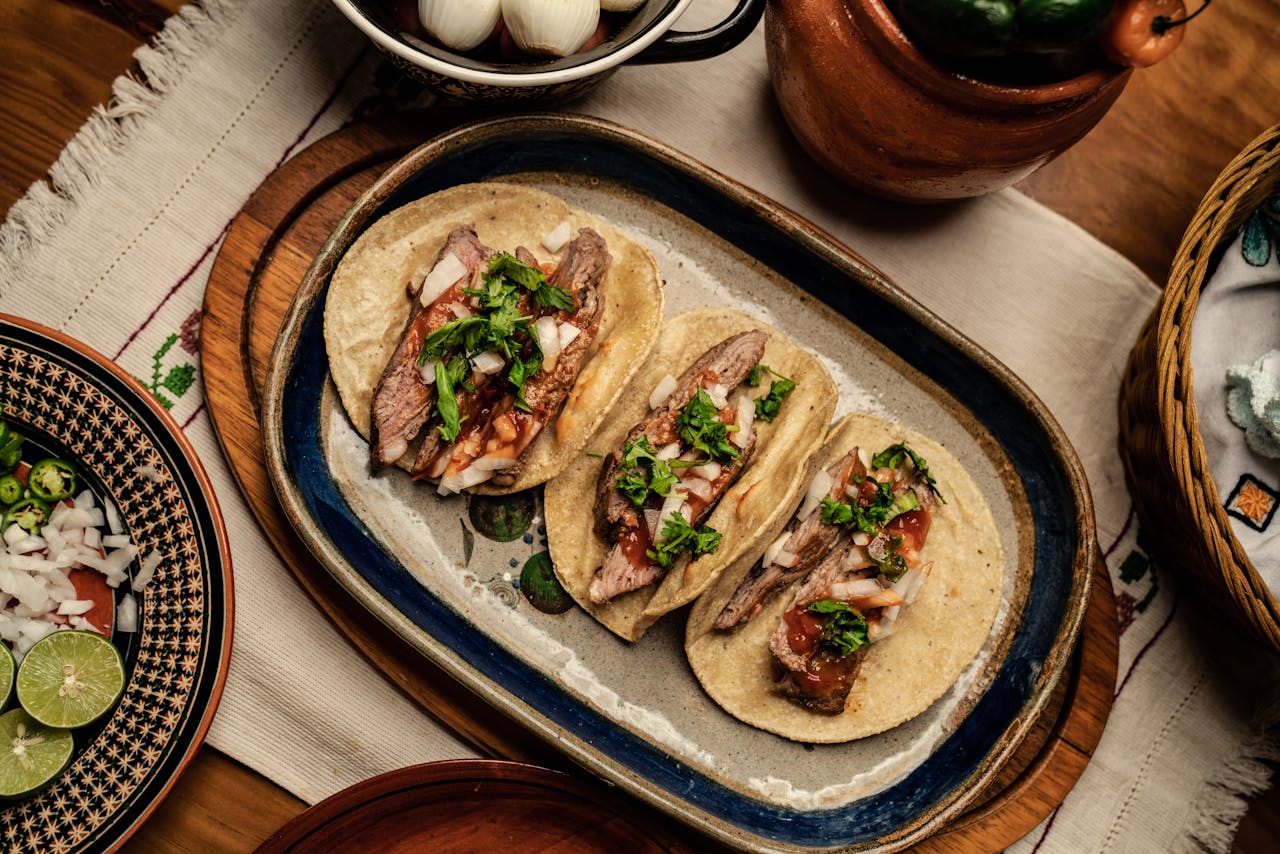

While tacos have become synonymous with Mexican street food across the United States, the rich tapestry of Mexico's regional culinary traditions extends far beyond this beloved staple. From the coastal regions of Yucatan to the bustling streets of Mexico City, each area boasts unique flavors and preparations that Mexican vendors are now bringing to American communities. These authentic Mexican snacks tell stories of cultural heritage, family recipes passed down through generations, and the entrepreneurial spirit of immigrants who refuse to let distance dilute their culinary identity.
The landscape of Mexican street food USA has evolved dramatically over the past decade, with vendors and restaurant owners introducing Americans to specialties that were once exclusive to specific Mexican regions. This culinary revolution is about expanding palates, preserving cultural identity, and creating economic opportunities for Mexican-American entrepreneurs who serve as cultural ambassadors in their communities.

Welcome to United Tribes
Where Mexican Culture Comes Alive
Join Your Tribe
Connect with your people
Discover Events
Watch parties & festivals
Find Mexican Businesses
Restaurants, markets & more
Earn Crown Credits
Get rewarded for engaging
The Sweet and Savory World of Elotes
Elotes, or Mexican street corn, represents one of the most successful regional Mexican dishes to gain widespread popularity across American cities. This simple yet flavorful treat consists of corn on the cob slathered with mayonnaise, cotija cheese, chili powder, and lime juice, creating a perfect balance of creamy, tangy, and spicy flavors.
Maria Gonzalez, who operates an elote cart in East Los Angeles, explains how she recreates the authentic Mexico City experience for her customers. "My grandmother taught me that the secret isn't just in the ingredients. It's in the technique," she shares. "The corn must be perfectly grilled, not too charred, and the mayo needs to be spread while it's still hot so everything melts together."
The popularity of elotes has spawned creative variations across different U.S. regions. Some vendors offer elote en vaso (corn in a cup) for easier eating, while others have introduced esquites, the off-the-cob version that's become a favorite at food trucks and farmers' markets. These adaptations demonstrate how regional Mexican cuisine evolves while maintaining its authentic roots.
Pambazos: Mexico City's Hidden Gem
Far less known than tacos but equally delicious, pambazos represent the hearty comfort food tradition of central Mexico. This unique sandwich features a special pambazo bread that's dipped in red guajillo pepper sauce, grilled until crispy, and filled with potatoes, chorizo, lettuce, and Mexican crema.
Carlos Herrera, who runs a small restaurant in Chicago's Pilsen neighborhood, introduced pambazos to his menu after noticing customers' curiosity about authentic Mexico City street food. "When I first started serving pambazos three years ago, I had to explain what they were to almost every customer," he recalls. "Now, I have regulars who come specifically for them, including many non-Mexican customers who've become fans."
The preparation of pambazos requires skill and timing. The bread must be dipped in the sauce for just the right amount of time. Too little and it won't absorb the flavors, too much and it becomes soggy. This technical aspect makes pambazos a true test of a vendor's expertise in regional Mexican cuisine.
Tlayudas: Oaxaca's Pizza-Like Creation
From the southern state of Oaxaca comes the tlayuda, often called "Oaxacan pizza" due to its large, flat tortilla base topped with beans, cheese, meat, and vegetables. This substantial dish represents the indigenous culinary traditions of Oaxaca, where corn tortillas reach impressive sizes and are cooked until slightly crispy.
Ana Morales, who operates a weekend food stand at a Los Angeles farmer's market, specializes in authentic Oaxacan cuisine. Her tlayudas feature handmade tortillas that span nearly a foot in diameter, topped with refried beans, Oaxacan cheese, avocado, and the customer's choice of tasajo (dried beef) or chorizo. "People are always amazed by the size," she laughs. "But in Oaxaca, this is normal street food. It's meant to be shared, to bring people together."
The success of tlayudas in U.S. markets speaks to Americans' growing appreciation for authentic Mexican snacks that offer both novelty and substance. Unlike smaller antojitos (little cravings), tlayudas provide a complete meal experience while introducing diners to Oaxacan ingredients and preparation methods.
Marquesitas: Yucatan's Sweet Street Sensation
From Mexico's Yucatan Peninsula comes the marquesita, a crispy crepe-like treat that's rolled into a cone and filled with cheese and sweet toppings. This unique dessert represents the fusion of Mayan and European influences that characterizes Yucatecan cuisine.
Roberto Cab, originally from Merida, Yucatan, brought marquesitas to Miami's growing Mexican community. His cart features the traditional comal (griddle) where he pours thin batter, spreads it into a perfect circle, adds Edam cheese (a Yucatecan staple due to Dutch influence), and tops it with dulce de leche, chocolate, or fresh fruit before rolling it into a cone.
"Marquesitas are very specific to Yucatan," Roberto explains. "Even many Mexicans from other states haven't tried them. But once Americans taste them, they understand why they're so popular back home." The sweet and salty combination of cheese with sugary toppings creates a unique flavor profile that challenges preconceptions about Mexican street food in the USA.
The Cultural Impact of Regional Specialties
The introduction of regional Mexican specialties to American markets represents more than culinary expansion; it's cultural preservation and education. These dishes serve as edible history lessons, connecting Mexican-Americans to their regional identities while introducing other communities to Mexico's incredible culinary diversity.
Food festivals and cultural events across the United States now regularly feature these regional specialties alongside traditional offerings. The annual Taste of Mexico festivals in cities like San Antonio, Phoenix, and Los Angeles showcase vendors specializing in specific regional cuisines, creating opportunities for authentic cultural exchange through food.
Educational impact extends beyond mere consumption. Many vendors take time to explain the origins and cultural significance of their specialties, turning every purchase into a learning opportunity. This organic cultural education helps combat stereotypes and promotes understanding of Mexico's regional diversity.
Challenges and Opportunities for Vendors
Despite growing interest in authentic Mexican snacks, vendors face significant challenges in introducing regional specialties to new markets. Sourcing authentic ingredients can be difficult and expensive, particularly for vendors operating outside areas with large Mexican populations. Specialty items like pambazo bread, Oaxacan cheese, or specific chili varieties often require special ordering or substitutions that can affect authenticity.
Market education represents another challenge. Unlike tacos, which require minimal explanation, regional specialties often need introduction and description. Successful vendors develop strategies to educate customers, using samples, detailed menu descriptions, and storytelling to build interest and understanding.
However, these challenges also create opportunities. Vendors who successfully introduce regional specialties often develop loyal customer bases and distinguish themselves in competitive markets. The uniqueness of their offerings provides natural marketing advantages and helps build community connections.
Supporting Regional Mexican Food Culture
The success of regional Mexican street food in the United States depends largely on community support and cultural appreciation. Food enthusiasts, cultural organizations, and local governments play crucial roles in creating environments where authentic vendors can thrive.
Community events that celebrate specific regional Mexican cultures help create awareness and demand for authentic specialties. Cities with strong Mexican communities often organize festivals highlighting particular states or regions, providing platforms for vendors to showcase their unique offerings while educating broader audiences about Mexican culinary diversity.
At United Tribes, we celebrate these traditions and the people who keep them alive. Explore more stories of culture, community, and cuisine by visiting our platform today.


