
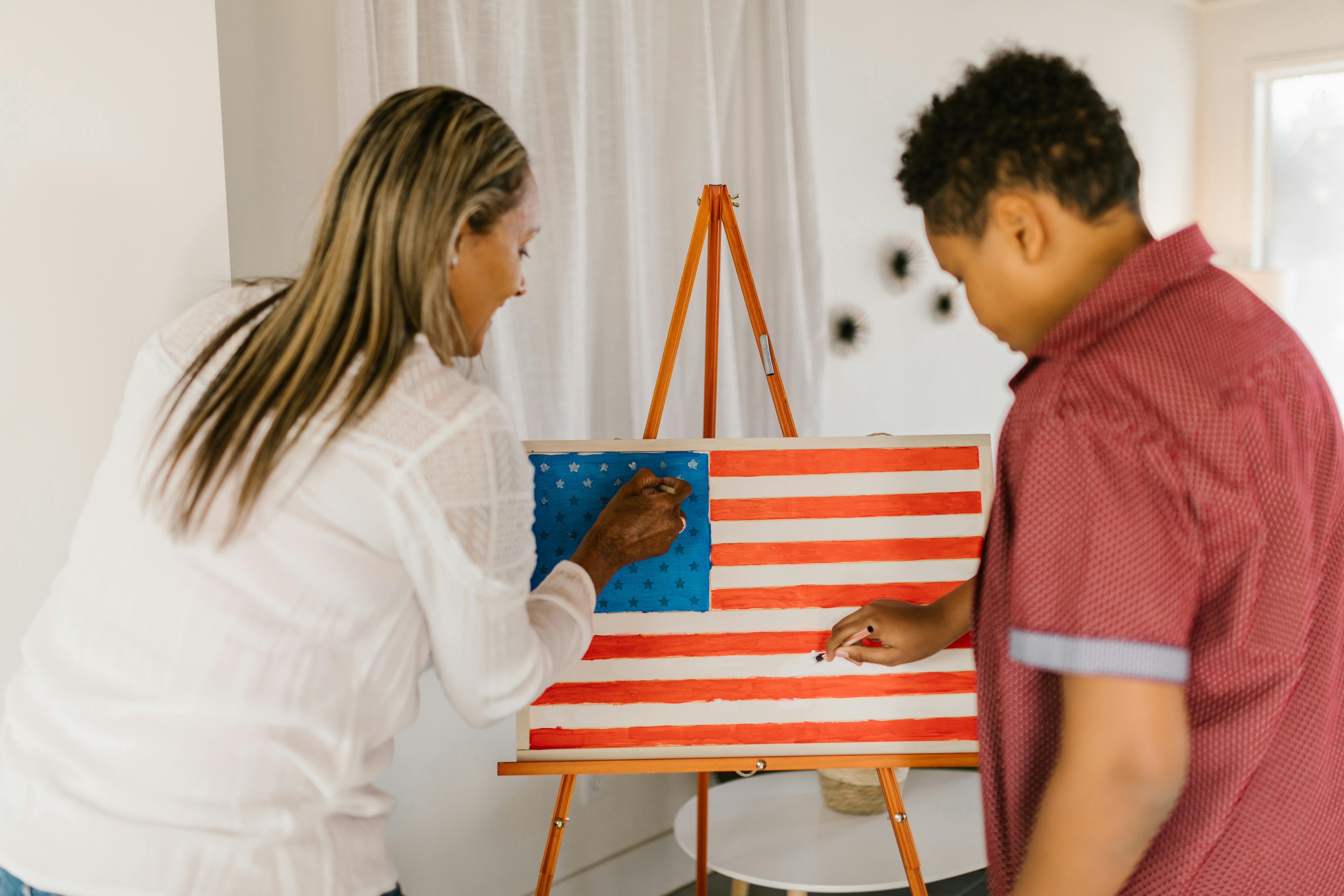

In an increasingly globalized world, preserving heritage has become both a challenge and a necessity for families from diverse cultural backgrounds living in the United States. As generations adapt to new environments while honoring their roots, family traditions serve as the vital bridge connecting past, present, and future. These intergenerational practices ensure that cultural identity remains vibrant and meaningful, even as families navigate the complexities of modern American life.
The art of maintaining cultural continuity through family traditions requires intentionality, creativity, and commitment. From the intimate rituals performed in home kitchens to the grand celebrations that bring entire communities together, these practices underpin cultural identity. They create spaces where older generations can share their wisdom while younger family members develop a deep appreciation for their heritage.

Welcome to United Tribes
Where Diverse Cultures Come Alive
Join Your Tribe
Connect with your people
Discover Events
Watch parties & festivals
Find Tribe Businesses
Restaurants, markets & more
Earn Crown Credits
Get rewarded for engaging
The Foundation of Cultural Identity Through Daily Practices
Family traditions begin in the smallest moments of daily life, where cultural values are quietly transmitted from one generation to the next. The morning ritual of preparing traditional tea, the specific way ingredients are combined for family recipes, or the particular words chosen for bedtime prayers all contribute to a child's understanding of their cultural identity.
In many households, language preservation happens naturally through these daily interactions. Grandparents who speak in their native tongue while cooking traditional meals create an immersive environment in which children absorb not only vocabulary but also the cultural context that gives words their deeper meaning. These organic learning experiences prove more effective than formal language classes because they connect linguistic knowledge with emotional memories and cultural practices.
The kitchen often serves as the heart of cultural transmission, where recipes passed down through generations carry stories of homeland traditions, seasonal celebrations, and family history. When parents teach children to prepare traditional dishes, they're not just sharing cooking techniques—they're transmitting cultural knowledge about ingredients, preparation methods, and the social significance of food in their heritage.
Storytelling as Cultural Preservation
The tradition of storytelling remains one of the most powerful tools for preserving heritage across generations. Whether shared during family gatherings, bedtime routines, or long car rides, stories convey the cultural values, historical experiences, and moral teachings that define a community's identity.
Family Migration Stories
Many families preserve their heritage by sharing migration stories that explain how and why they came to America. These narratives help children understand their family's journey while building pride in their ancestors' courage and resilience. When parents and grandparents share these stories, they provide context for current family traditions and explain why certain practices remain important despite geographical distance from their homeland.
Traditional Folk Tales and Legends
Beyond personal family history, traditional folk tales and legends serve as vehicles for transmitting cultural wisdom and values. These stories often contain moral lessons, explain natural phenomena through cultural perspectives, or preserve historical events that shaped a community's identity. Parents who regularly share these tales with their children ensure that ancient wisdom remains relevant in contemporary contexts.
The practice of storytelling also teaches children about their cultural heroes, legendary figures, and historical events that continue to influence community values. These narratives help young people understand their place within a larger cultural continuum while developing pride in their heritage.
Celebrating Cultural Holidays and Festivals
Seasonal celebrations and cultural festivals provide families with structured opportunities to preserve heritage through communal traditions. These events often combine religious observances, historical commemorations, and cultural expressions that strengthen family bonds while connecting participants to their broader community.
Persian families demonstrate this beautifully through their observance of Shabe Yalda, where multi-generational families gather to celebrate the winter solstice with traditional foods, poetry readings, and storytelling that connect them to centuries of cultural tradition.
Similarly, Nowruz celebrations showcase how families can adapt ancient traditions to modern American settings while maintaining their authentic cultural significance. These celebrations require preparation that involves multiple generations, from setting the Haft-Seen table to preparing traditional dishes, thereby ensuring that cultural knowledge is transmitted naturally from elders to youth.
Adapting Celebrations to American Contexts
Successful cultural preservation often requires creativity in adapting traditional celebrations to American settings and schedules. Families might combine cultural holidays with American celebrations, create modified versions that fit their current circumstances, or establish new traditions that honor their heritage while reflecting their contemporary reality.
Hispanic families exemplify this adaptability by maintaining vibrant cultural traditions that honor their diverse heritage while embracing their American experience. These celebrations often blend elements from different Latin American countries while creating space for new traditions that reflect the unique multicultural environment of the United States.
The Role of Extended Family Networks
Cultural continuity depends heavily on extended family networks that include grandparents, aunts, uncles, and close family friends who serve as cultural keepers and teachers. These relationships provide children with multiple perspectives on their heritage while ensuring that cultural knowledge doesn't depend solely on transmission within the nuclear family.
Latino culture particularly emphasizes the importance of extended family in cultural preservation, where "la familia" extends beyond immediate relatives to include godparents, close family friends, and community elders who all play active roles in cultural education.
Creating Surrogate Family Networks
For families without extended relatives nearby, creating surrogate family networks is essential for cultural preservation. Community organizations, cultural centers, and religious institutions often provide these connections, allowing families to participate in larger cultural celebrations and giving children exposure to diverse perspectives within their heritage.
These networks also support parents who may feel uncertain about their own cultural knowledge, offering opportunities to learn alongside their children and to build connections with others who share similar cultural preservation goals.
Modern Technology and Cultural Preservation
Contemporary families increasingly use technology to bridge geographical distances and enhance their efforts to preserve culture. Video calls with grandparents in their countries of origin, online cultural classes, and digital repositories of family photos and documents all contribute to maintaining cultural connections across generations.
Social media platforms allow families to document their cultural practices, share traditions with extended family members, and connect with broader cultural communities. These digital tools enable children to see their cultural practices reflected in other families' experiences while building pride in their heritage.
Adapting Traditions for Contemporary Life
Filipino families demonstrate remarkable creativity in adapting their festive traditions to American environments, showing how cultural celebrations can evolve while maintaining their essential character and meaning. This adaptability ensures that traditions remain relevant and engaging for younger generations who might otherwise feel disconnected from their heritage.
Successful cultural preservation often involves finding ways to honor traditional practices while accommodating modern American lifestyles. This might mean celebrating cultural holidays on weekends when family members can gather, adapting traditional recipes to available ingredients, or creating modified versions of cultural practices that work within contemporary constraints.
Building Cultural Pride in Multicultural Environments
For many families, helping children develop pride in their heritage while navigating multicultural environments requires ongoing conversation and reinforcement. Parents must help children understand that maintaining cultural traditions doesn't conflict with their American identity but rather enriches their overall cultural experience.
This process often involves teaching children about the contributions their cultural community has made to American society, highlighting successful individuals who share their heritage, and helping them recognize the unique perspectives and strengths their cultural background provides.
Strengthening Cultural Bonds for Future Generations
Success in preserving heritage often depends on finding the right balance between honoring traditional practices and adapting to contemporary realities. Families who embrace this challenge while maintaining connections to their broader cultural communities create environments where children can develop strong cultural identities while fully participating in American society. This dual cultural competency becomes a source of strength and a unique perspective that serves young people throughout their lives.
Visit United Tribes today to learn more about diverse cultural communities and their rich traditions, which continue to strengthen American society through intergenerational cultural preservation.
Make United Tribes Your Preferred Source
Add United Tribes on Google to get the latest stories, cultural updates, and community events directly in your Google Search and Top Stories.


