
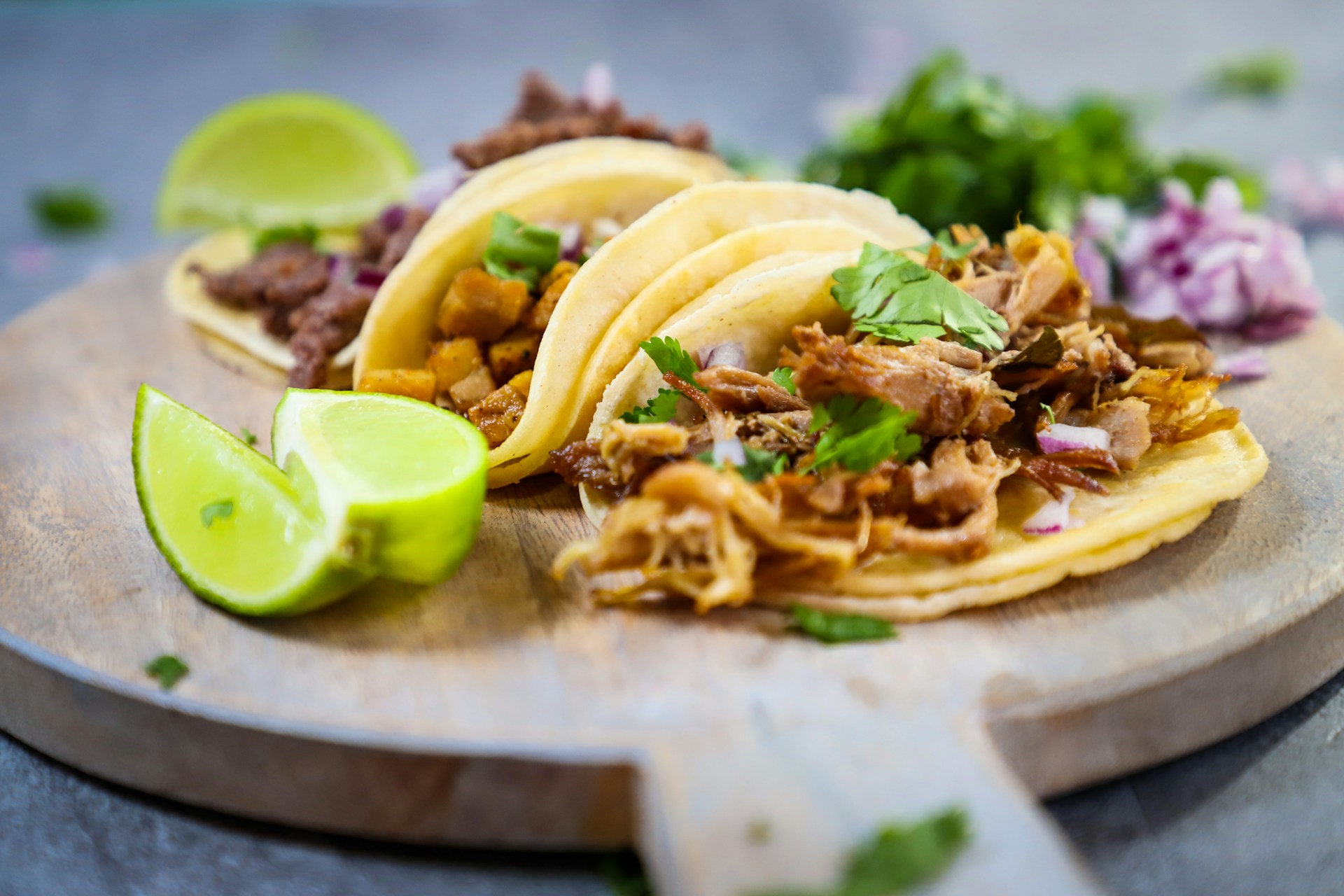


The rich aroma of slow-cooked pork fills the air in countless Mexican-American kitchens across the United States, carrying with it centuries of culinary tradition. Carnitas has become a bridge connecting Mexican immigrants and their descendants to their ancestral homeland. As Mexican-American families continue to honor their heritage through food, traditional Mexican cuisine finds new life in American kitchens, adapting to available ingredients while preserving the authentic flavors that define regional identity.
From the bustling restaurants of Los Angeles to the intimate family gatherings in Chicago, Mexican pork dishes serve as cornerstones of cultural preservation. These recipes tell stories of migration, adaptation, and the unwavering commitment to maintaining culinary traditions in a new land. Each region of Mexico brings its own unique approach to preparing pork, and these distinct methods have found fertile ground in Mexican-American communities throughout the United States.
The Art of Authentic Carnitas
Carnitas, literally meaning "little meats," represents one of Mexico's most beloved pork preparations. Originating in the state of Michoacán, this dish embodies the perfect balance of tender, juicy meat with crispy, caramelized edges. Mexican-American cooks have mastered the traditional technique of slow-cooking pork shoulder in its own rendered fat, creating the signature texture that makes carnitas irresistible.
The traditional method begins with large cuts of pork shoulder, seasoned simply with salt and cooked slowly in copper pots called "carneros." In Mexican-American kitchens, adaptations include using Dutch ovens or slow cookers while maintaining the essential technique. The pork cooks in its own fat at low temperatures for several hours until it becomes tender enough to shred easily.
Key ingredients for authentic carnitas include:
- Pork shoulder or Boston butt
- Sea salt or kosher salt
- Fresh orange juice
- Milk (traditional Michoacán addition)
- Bay leaves
- White onion
Mexican-American families often add their own regional touches, incorporating ingredients like Mexican Coca-Cola for its cane sugar content, which helps achieve the desired caramelization during the final crisping stage.
Regional Pork Traditions Across Mexican States
Cochinita Pibil from the Yucatán
This iconic dish from Mexico's Yucatán Peninsula has found a devoted following in Mexican-American communities, particularly in areas with significant Yucatecan populations. Cochinita pibil involves marinating pork in achiote paste and citrus juices before wrapping it in banana leaves for cooking.
In the United States, Mexican-American cooks have adapted this dish by substituting aluminum foil when banana leaves aren't readily available, though many seek out Latin grocery stores to maintain authenticity. The distinctive red color and earthy flavor of achiote remain central to the dish's identity.
Al Pastor: Lebanese-Mexican Fusion
The famous al pastor represents a unique fusion that occurred when Lebanese immigrants settled in Mexico. This vertical spit-roasted pork, seasoned with dried chiles and pineapple, has become a staple in Mexican-American taquerías across the United States.
Mexican-American entrepreneurs have opened countless taco shops featuring al pastor, adapting the cooking method to smaller-scale operations while preserving the essential marinade of guajillo and ancho chiles, achiote, and pineapple.
Adaptation and Preservation in American Kitchens
Mexican-American families demonstrate remarkable creativity in preserving traditional recipes while adapting to American ingredients and cooking environments. Traditional Mexican cuisine evolves naturally as families source ingredients from local grocery stores and Mexican markets scattered across American cities.
Many families maintain authenticity by seeking out specialty ingredients at Mexican grocery stores, while others adapt recipes using more accessible substitutes. For instance, some cooks replace traditional Mexican lard with vegetable oil, though purists maintain that pork fat produces superior flavor and texture in dishes like carnitas.
Common adaptations include:
- Using slow cookers instead of traditional copper pots
- Substituting ingredients based on regional availability
- Modifying cooking times for smaller household portions
- Incorporating fusion elements while maintaining core techniques
The preservation of these recipes often falls to older generations who pass down techniques through hands-on teaching rather than written recipes. Mexican-American grandmothers frequently serve as the keepers of authentic preparation methods, ensuring that traditional flavors survive across generations.
Modern Mexican-American Pork Innovations
Contemporary Mexican-American chefs and home cooks continue innovating while respecting traditional foundations. Mexican pork dishes appear in upscale restaurants where chefs elevate classics like carnitas with modern presentation and locally sourced ingredients.
Food trucks specializing in authentic Mexican fare have proliferated across American cities, often run by Mexican-American entrepreneurs who bring family recipes to wider audiences. These mobile establishments frequently feature regional specialties that might otherwise remain within specific communities.
Popular modern variations include:
- Carnitas bowls with fresh salsas and pickled vegetables
- Fusion tacos combining traditional pork with American ingredients
- Smoked carnitas using American barbecue techniques
- Carnitas nachos and quesadillas for broader market appeal
Restaurant owners often balance authenticity with accessibility, creating menu items that honor traditional preparation while appealing to diverse customer bases. This approach helps introduce non-Mexican diners to authentic flavors while serving as gathering places for Mexican-American communities.
Preserving Heritage Through Culinary Tradition
The enduring popularity of carnitas and regional Mexican pork dishes in Mexican-American kitchens demonstrates the powerful role food plays in cultural preservation. These cherished recipes serve as tangible connections to ancestral homelands while adapting to life in the United States. Through careful preservation of traditional techniques and thoughtful adaptation to American ingredients and cooking methods, Mexican-American families ensure that future generations will continue experiencing the authentic flavors that define their cultural identity.
As Mexican-American communities continue growing and evolving across the United States, their culinary contributions enrich the broader American food landscape. The commitment to maintaining traditional Mexican cuisine while embracing innovation reflects the dynamic nature of cultural preservation in immigrant communities. Visit United Tribes today and find out more about Mexican culture and community celebrations that honor these timeless culinary traditions.


