

As we navigate through 2026, the landscape of American immigrant arts continues to evolve, creating a vibrant tapestry that enriches the cultural fabric of the United States. From the bustling galleries of New York to the community theaters of small-town America, immigrant artists are fundamentally reshaping how we create and express identity in contemporary America. Their contributions span every medium imaginable, from traditional crafts passed down through generations to cutting-edge digital installations that blend ancestral wisdom with modern technology.
The Evolution of Immigrant Arts in American Culture
The immigrant influence on American arts has reached unprecedented heights in 2026, marking a pivotal moment in cultural history. Unlike previous decades, where immigrant artists often felt pressure to assimilate into existing American artistic traditions, today's immigrant communities are confidently asserting their unique cultural perspectives while simultaneously creating entirely new hybrid forms of expression. This shift represents a fundamental change in how U.S. culture embraces and celebrates diversity within its artistic landscape.

Welcome to United Tribes
Where American Culture Comes Alive
Join Your Tribe
Connect with your people
Discover Events
Watch parties & festivals
Find American Businesses
Restaurants, markets & more
Earn Crown Credits
Get rewarded for engaging
Contemporary immigrant artists are leveraging both traditional techniques from their homelands and innovative American resources to create groundbreaking works. Visual artists are incorporating ancestral symbols into modern installations, while musicians blend traditional instruments with contemporary production techniques. This fusion creates art that speaks to both immigrant experiences and broader American themes of identity, belonging, and transformation.
The digital age has particularly amplified these voices, with social media platforms and online galleries providing immigrant artists unprecedented access to audiences. Virtual reality experiences now allow viewers to step into recreated traditional ceremonies, while augmented reality installations overlay cultural histories onto American cityscapes. These technological integrations demonstrate that immigrant communities are not only preserving their heritage but also actively reimagining it for future generations.
Music and Performance Arts Leading Cultural Transformation
American immigrant arts find their most dynamic expression in music and performance, where cultural fusion creates entirely new genres and performance styles. In 2026, immigrant musicians are pioneering sounds that blend traditional folk melodies with American jazz, hip-hop, and electronic music, creating compositions that resonate across cultural boundaries while maintaining deep roots in their ancestral traditions.
Theater companies led by immigrant directors are producing works that explore themes of diaspora, identity, and cultural adaptation. These productions often incorporate traditional storytelling techniques, native languages, and ceremonial elements, offering audiences immersive experiences that bridge cultural divides. Community theaters have become gathering spaces in which immigrant stories are not only told but also celebrated as integral to the American narrative.
Dance performances showcase particularly striking examples of cultural synthesis. Traditional folk dances are being reimagined through contemporary choreographic techniques, while classical dance forms are adapted to tell distinctly American stories. These performances create powerful visual narratives about the immigrant experience while demonstrating the universal language of movement and expression.
Visual Arts and Cultural Storytelling
The visual arts landscape in 2026 reflects the profound ways immigrant communities are reshaping American artistic expression. Galleries and museums across the country are showcasing works that challenge traditional Western artistic conventions while introducing audiences to rich visual traditions from around the world. These exhibitions represent more than cultural exchange—they demonstrate how immigrant influence is expanding the very definition of American art.
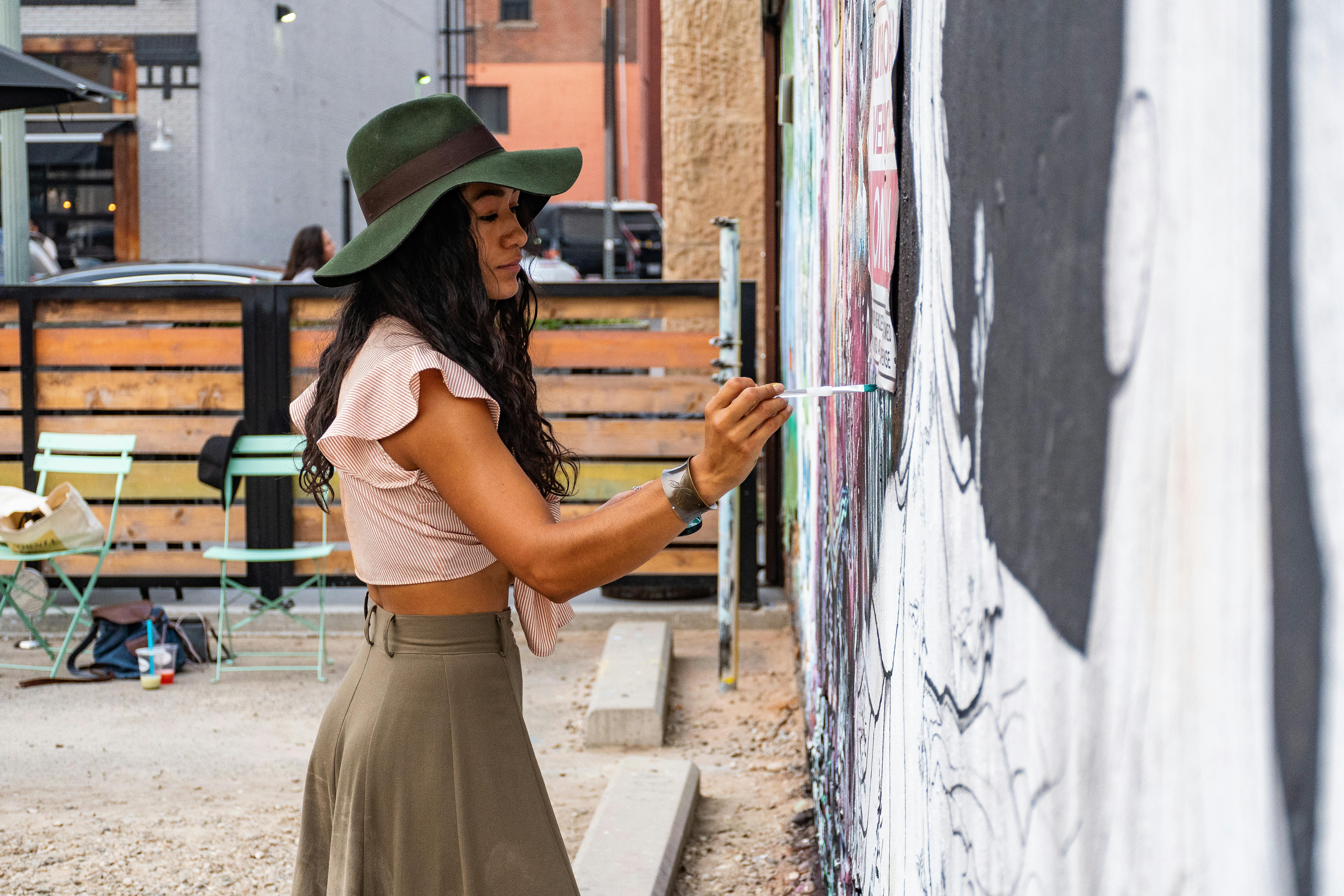
Contemporary immigrant painters are creating large-scale murals that transform urban spaces into cultural storytelling venues. These works often combine traditional artistic techniques with contemporary themes, addressing issues like immigration policy, cultural preservation, and intergenerational identity transfer. Street art has become a particularly powerful medium for immigrant artists to claim public space and assert their place in American cultural discourse.
Sculpture and installation art by immigrant creators frequently incorporate materials and techniques from their homelands, introducing American audiences to artistic traditions spanning centuries. Clay work inspired by pre-Columbian techniques shares gallery space with contemporary metal sculptures influenced by European traditions, creating dialogues between past and present, homeland and adopted country.
Photography projects by immigrant artists are creating visual archives of their communities' experiences, preserving cultural practices while also documenting their evolution within American contexts. These photographic narratives serve as both artistic expression and historical documentation, ensuring that immigrant contributions to U.S. culture are preserved for future generations.
Community-Driven Cultural Festivals and Events
Cultural festivals organized by immigrant communities have become cornerstone events that showcase the breadth and depth of American immigrant arts while fostering cross-cultural understanding. These celebrations extend beyond traditional food and music festivals, evolving into comprehensive cultural experiences that demonstrate the sophisticated artistic traditions that immigrant communities bring to America.
Community-driven arts organizations are establishing permanent cultural centers that serve as year-round hubs for artistic activity. These spaces host artist residencies, offer traditional arts instruction, and provide venues for experimental performances that blend cultural traditions. They function as laboratories in which immigrant artists can explore their identities while developing new forms of creative expression.
Festival programming increasingly includes educational components that help audiences understand the historical and cultural contexts behind artistic traditions. Workshop series allow community members to learn traditional crafts, while lecture series explore the migration of artistic techniques across cultures and continents.
Digital Innovation and Cultural Preservation
Technology has become an essential tool for immigrant artists seeking to preserve cultural traditions while making them accessible to contemporary audiences. Digital platforms are enabling unprecedented documentation of traditional arts practices, ensuring that techniques and knowledge systems are preserved even as communities adapt to American life.
Virtual reality experiences created by immigrant technologists and artists are allowing users to virtually visit ancestral homelands, participate in traditional ceremonies, and learn cultural practices that might otherwise be lost. These immersive technologies serve both educational and artistic purposes, creating new forms of cultural transmission that transcend geographical boundaries.
Online collaborative projects are connecting immigrant artists across the United States, enabling them to work together on large-scale cultural initiatives regardless of physical location. These digital collaborations are producing multimedia works that represent the collective immigrant experience while celebrating the diversity of individual community contributions.
Social media platforms have become venues for documenting daily cultural practices, with immigrant artists sharing everything from traditional cooking techniques to religious ceremonies. These digital archives create living records of how cultural practices evolve and adapt within American contexts.
Educational Impact and Intergenerational Connection
Educational institutions are increasingly recognizing the importance of incorporating American immigrant arts into their curricula, creating opportunities for students to engage with diverse artistic traditions while understanding their place in contemporary American culture. Art schools are establishing exchange programs with international institutions, while K-12 schools are inviting immigrant artists to serve as cultural educators and mentors.
Mentorship programs that pair established immigrant artists with younger community members ensure that traditional skills and knowledge systems are transmitted to new generations. These relationships create bridges between elders who maintain deep connections to homeland traditions and young people navigating American cultural landscapes.
University research programs are documenting and analyzing the evolution of immigrant arts practices, creating academic resources that validate these traditions as legitimate fields of scholarly study. This academic recognition helps establish immigrant arts as essential components of American cultural history rather than peripheral cultural curiosities.
Economic Impact and Creative Industry Growth
The economic dimensions of immigrant influence on American arts extend far beyond individual artistic success stories, representing significant contributions to local and national creative economies. Immigrant-owned galleries, performance venues, and cultural organizations are creating jobs while providing platforms for diverse artistic expression.
Cultural tourism centered around immigrant arts experiences is generating substantial revenue for communities across the United States. Cities are recognizing the economic value of cultural diversity and actively supporting immigrant arts initiatives as economic development strategies. Cultural districts anchored by immigrant businesses and arts organizations are revitalizing urban areas while preserving community character.
Creative collaborations between immigrant artists and established American cultural institutions are producing innovative programming that attracts new audiences while serving existing community needs. These partnerships demonstrate how U.S. culture benefits from embracing diverse artistic perspectives rather than maintaining traditional exclusionary practices.
Small business development within immigrant communities often centers around cultural arts enterprises, from traditional craft production to contemporary design services. These businesses serve both immigrant communities seeking cultural connection and broader American markets interested in authentic cultural products and experiences.
Building America's Cultural Future
Through music, visual arts, performance, and digital innovation, immigrant artists are not just adding to existing American culture but fundamentally reshaping its boundaries and possibilities. Their work demonstrates that cultural diversity strengthens rather than dilutes artistic expression, creating new forms of beauty and meaning that speak to universal human experiences while honoring specific cultural traditions.
Visit United Tribes today to learn more about immigrant culture and community contributions that continue to shape our nation's creative spirit.
Make United Tribes Your Preferred Source
Add United Tribes on Google to get the latest stories, cultural updates, and community events directly in your Google Search and Top Stories.