
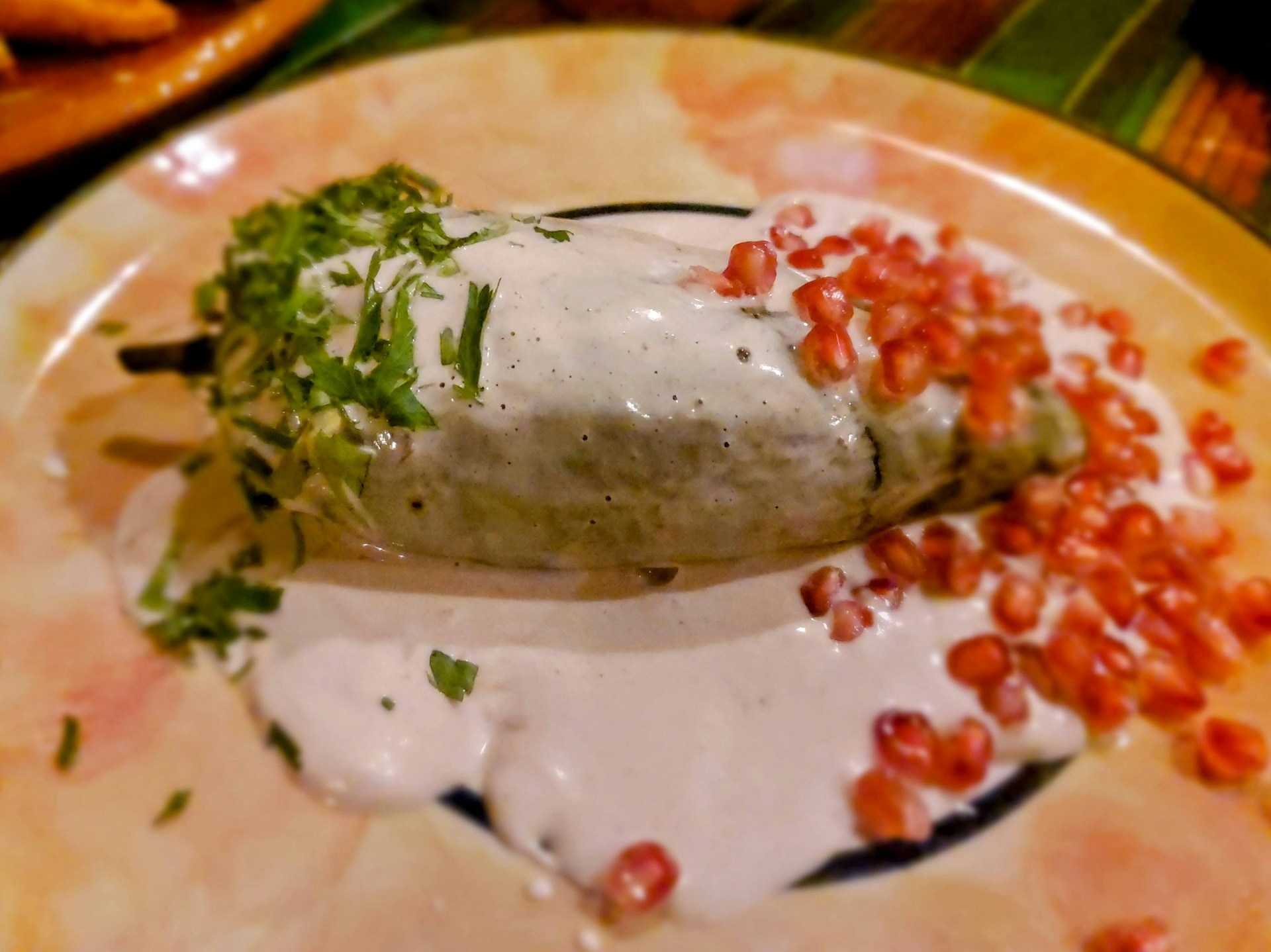

As September arrives, Mexican communities across the United States begin preparing for one of their most cherished culinary traditions. Chiles en nogada, with its striking red, white, and green presentation, serves as both a delicious meal and a patriotic symbol celebrating Mexico's independence. This iconic dish embodies cultural identity, seasonal celebration, and the preservation of ancestral recipes in Mexican-American households throughout the country.
The dish's visual appeal mirrors the colors of the Mexican flag: poblano chiles provide the green, creamy walnut sauce creates the white, and pomegranate seeds add brilliant red accents. This traditional Mexican dish has become synonymous with September celebrations, appearing on tables during Mexican Independence Day festivities and Fiestas Patrias events in cities from Los Angeles to Chicago.

Welcome to United Tribes
Where Mexican Culture Comes Alive
Join Your Tribe
Connect with your people
Discover Events
Watch parties & festivals
Find Mexican Businesses
Restaurants, markets & more
Earn Crown Credits
Get rewarded for engaging
The Cultural Significance Behind Mexico's Patriotic Dish
Chiles en nogada carries a deep historical meaning that resonates strongly with Mexican-American communities. Legend traces the dish's creation to 1821, when Augustinian nuns in Puebla prepared it to honor Agustín de Iturbide and celebrate Mexico's newly won independence. The intentional color scheme represented the flag of the Army of the Three Guarantees, making this dish an edible expression of national pride.
Mexican-American families have maintained this tradition across generations, with many households treating the preparation as an annual ritual. The dish appears primarily during Mexican independence food celebrations, creating a direct connection between Mexican heritage and American-based communities. Grandmothers pass down closely guarded nogada recipes, ensuring authenticity while adapting to ingredients available in U.S. markets.
The seasonal nature of chiles en nogada adds to its cultural importance. Fresh walnuts arrive in late summer, coinciding perfectly with independence celebrations. This timing creates anticipation within Mexican communities, as families begin planning their September menus around this centerpiece dish.
Essential Ingredients and Traditional Preparation
Creating authentic chiles en nogada requires specific ingredients that reflect the dish's regional Mexican origins. The foundation begins with poblano chiles, chosen for their mild heat and substantial size, perfect for stuffing. The picadillo filling combines ground meat—traditionally beef, pork, or both—with a complex mixture of fruits and spices that varies by family tradition. Key picadillo ingredients include:
- Diced peaches, pears, and apples
- Chopped onions and garlic
- Almonds, pine nuts, and raisins
- Cinnamon, cloves, and black pepper
- Fresh herbs like parsley and thyme
The signature nogada sauce demands the finest ingredients for optimal flavor and texture. Fresh walnuts must be peeled completely to achieve the sauce's characteristic white color. Soaking walnuts in milk helps soften them while maintaining the creamy consistency essential to authentic nogada. Some recipes incorporate queso fresco or cream cheese, adaptations common in chiles en nogada in the USA.
Traditional preparation methods emphasize patience and technique. Poblanos require careful roasting and peeling without tearing the delicate skin. The nogada demands extended blending to achieve a silk-smooth texture, often requiring repeated straining to remove any remaining walnut pieces.
Regional Variations Across Mexican Communities
Different regions of Mexico have contributed unique interpretations of chiles en nogada, variations that continue flourishing in corresponding U.S.-Mexican communities. Puebla-style preparations tend toward sweeter picadillo with more fruit content, while Tlaxcala versions incorporate additional savory elements like capers and olives.
Northern Mexican Influences
Communities with roots in northern Mexican states often prepare heartier versions with increased meat content and reduced fruit. These adaptations reflect both regional preferences and the influence of cattle-ranching traditions. Cities like San Antonio and Phoenix feature restaurants serving these robust interpretations during Independence Day celebrations.
Central Mexican Traditions
Mexican-American families from central regions maintain closer adherence to conventional recipes, emphasizing the delicate balance between sweet and savory elements. Los Angeles and Chicago communities showcase these traditional preparations at cultural centers and Mexican independence festivals throughout September.
The nogada sauce also experiences regional variation. Some families add cinnamon or vanilla to enhance sweetness, while others incorporate different cheese types based on availability in local U.S. markets. These adaptations demonstrate how traditional recipes evolve while maintaining their essential character.
Finding Chiles en Nogada in U.S. Communities
Mexican restaurants and cultural venues across the United States feature chiles en nogada during September's independence celebrations. Major metropolitan areas with substantial Mexican populations offer the best opportunities to experience authentic preparations alongside festival atmospheres that recreate Mexico's patriotic spirit.
Los Angeles leads in restaurant offerings, with establishments in East LA, Boyle Heights, and downtown serving traditional versions. Many venues coordinate special menus around Mexican Independence Day, featuring chiles en nogada as centerpiece attractions. Food festivals in MacArthur Park and cultural events at Plaza Mexico showcase multiple interpretations from different regional traditions.
Chicago's Mexican communities in Pilsen and Little Village host annual celebrations where local restaurants compete with their chiles en nogada recipes. The National Museum of Mexican Art often coordinates cultural events highlighting the dish's historical significance alongside contemporary preparations.
San Antonio celebrates its Mexican heritage with citywide festivals featuring chiles en nogada at Market Square and the Historic Market Square. Local restaurants extend their September celebrations throughout the month, offering visitors multiple opportunities to experience this traditional Mexican dish.
Many Mexican grocery stores in these communities sell pre-made versions or ingredient kits during September, allowing families to prepare the dish at home while supporting local Mexican-owned businesses.
Preserving Heritage Through Culinary Tradition
Chiles en nogada represents the beautiful intersection of history, culture, and culinary artistry that defines Mexican-American community celebrations. This traditional Mexican dish continues connecting generations through shared preparation rituals, family recipes, and seasonal festivities that honor Mexico's independence while strengthening cultural identity in the United States. The dish serves as a delicious reminder that food preservation extends beyond mere sustenance to encompass heritage, memory, and community bonds.
As Mexican-American communities continue growing and evolving throughout the United States, chiles en nogada remains a powerful symbol of cultural continuity. Whether experienced at family tables, community festivals, or authentic Mexican restaurants, this Mexican independence food creates opportunities for cultural education, celebration, and connection to ancestral traditions.
Visit United Tribes today and find out more about Mexican culture and community events celebrating this beautiful culinary heritage in your area.
Make United Tribes Your Preferred Source
Add United Tribes on Google to get the latest stories, cultural updates, and community events directly in your Google Search and Top Stories.


