
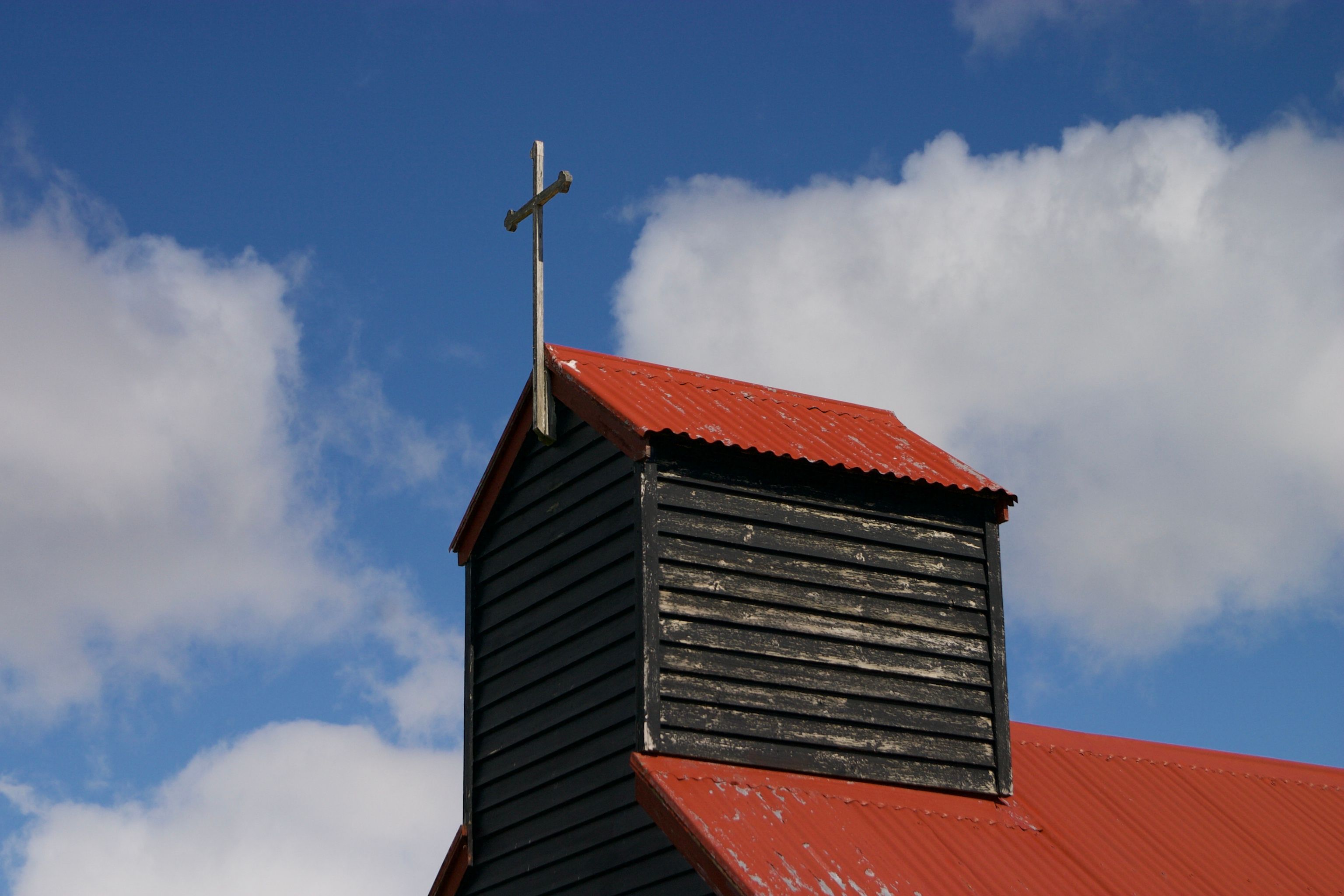

Key Takeaways
- Around 70 wooden churches dot the Chiloé Archipelago. Built under the Jesuit "circular mission" system from the 17th century, these structures represent one of Latin America's most distinctive ecclesiastical traditions.
- Sixteen Chiloé churches earned UNESCO World Heritage status in 2000. Sites including Achao, Castro, Tenaún, and Caguach were recognized for their outstanding fusion of European and indigenous architectural traditions.

Welcome to United Tribes
Where Diverse Cultures Come Alive
Join Your Tribe
Connect with your people
Discover Events
Watch parties & festivals
Find Tribe Businesses
Restaurants, markets & more
Earn Crown Credits
Get rewarded for engaging
- Local shipbuilders and fishermen were the primary constructors. Chilote artisans adapted boat-building joinery techniques—such as mortise-and-tenon and dovetail joints—to church construction, creating a uniquely maritime architecture.
- The minga tradition sustains these churches to this day. Community members contribute unpaid collective labor to maintain and restore the churches, keeping an ancient culture of shared responsibility alive.
- Conservation faces real and ongoing threats. Storms, declining hardwood availability, and modern development pressures challenge preservation efforts supported by Chile's National Monuments Council and international partners.
On a rain-swept archipelago at the edge of Chilean Patagonia, a collection of wooden churches rises from hillsides and harbor-front esplanades with quiet authority. These are not grand cathedrals of stone and marble but something rarer: handcrafted testimonies to what a community can build when faith, maritime skill, and local knowledge combine. The wooden churches of Chiloé represent one of the most remarkable architectural traditions in the Americas, and their story belongs as much to the fishermen who raised their walls as to the missionaries who inspired them.
What makes the Chiloé wooden churches architecturally unique?
The Chiloé wooden churches are unique because they fuse European ecclesiastical design with Indigenous Chilote woodworking traditions rooted in shipbuilding, producing a vernacular architectural style found nowhere else on earth. Built entirely from native timber using joinery techniques borrowed from boatbuilding, these churches translate Old World forms into the materials and knowledge of island life. Their individuality lies not in grandeur but in an intimate relationship between craftsmanship, environment, and community.
The approximately 70 churches scattered across the Chiloé Archipelago emerged from the Jesuit "circular mission" system beginning in the 17th century. Jesuits traveled by boat between island communities, establishing churches as spiritual anchors for scattered populations. When the Franciscans continued this work in the 18th and 19th centuries, they inherited and deepened a building tradition that had already become distinctly Chilote. The result was what scholars now call the Chilota School of ecclesiastical wooden architecture—a recognized regional style as coherent and original as any European movement.
What sets these buildings apart structurally is their tower façades and basilica layouts, which clearly echo European models, combined with construction methods drawn entirely from the island's carpentry tradition. The same hands that shaped fishing boats shaped church frames, and the overlap is visible in the precision of the joinery. UNESCO inscribed sixteen of these churches as World Heritage Sites in 2000, recognizing them as a successful synthesis of European and indigenous cultural traditions.
The Native Timbers Behind Every Wall
The choice of wood was never incidental. Builders selected native species with deliberate knowledge of their properties, availability, and durability in a wet, salt-laden climate. The primary timbers included:
- Fitzroya (larch): prized for its resistance to rot and its straight, workable grain
- Pilgerodendron uviferum (Guaitecas cypress): exceptionally durable in wet conditions
- Drimys winteri (canelo): a culturally significant species with spiritual associations in Mapuche tradition
- Laureliopsis philippiana (tepa), Podocarpus nubigenus (mañío), and Eucryphia cordifolia (ulmo): used for structural and finishing elements
The joinery techniques applied to these timbers—half-lap, dovetail, mortise-and-tenon, and diagonal splices—required no nails and produced joints that could flex with the island's humidity and seismic movement. This was carpentry as engineering, refined through generations of boat-building experience.
Community Labor as a Building Tradition
The churches of Chiloé were not built by professional construction guilds or imported artisans. They were raised by local farmers, fishermen, and sailors who brought their everyday skills to bear on sacred buildings. This community-driven construction model is inseparable from the architecture itself; the buildings are, in a literal sense, collective works.
The tradition known as minga—a form of community unpaid labor in which neighbors gather to accomplish a large task together—was central to both the original construction and the ongoing maintenance of these structures. A minga could assemble dozens of workers to raise a frame, re-shingle a roof, or move an entire building to a new site. Tree-ring dating on floor beams of the Ichuac church revealed wood dated between 1920 and 1929, confirming that communities actively renewed church fabric well into the 20th century rather than allowing structures to decay. The churches are not frozen artifacts but living buildings, continuously tended.
The esplanades or forecourts in front of each church were deliberately designed as public spaces. Positioned to serve navigators as visible landmarks and communities as gathering grounds, these open areas host religious festivals and communal events that have continued for generations. The architecture and the social life it supports are inseparable.
Strategic Siting and the Maritime Environment
Every aspect of the Chiloé wooden churches reflects their island setting. The churches were not placed arbitrarily; their sites were chosen with the logic of a maritime community where the sea was both highway and horizon.
Many churches sat on hillsides overlooking the water, ensuring they were visible to navigators approaching by boat. This made each church function simultaneously as a spiritual center and a wayfinding landmark, a lighthouse of faith in a landscape defined by tidal channels and shifting weather. The threat of coastal flooding informed siting decisions just as much as aesthetic considerations.
|
Church Location |
Notable Feature |
UNESCO Listed |
|
Achao (Quinchao) |
Oldest surviving church, dark native wood interior |
Yes |
|
Castro |
Brightly painted façade, urban harbor setting |
Yes |
|
Tenaún |
Triple-tower façade facing the sea |
Yes |
|
Caguach |
Remote island site, active pilgrimage destination |
Yes |
|
Chonchi |
Hillside position, neoclassical timber detail |
Yes |
The maritime climate—persistent rain, high humidity, salt air—shaped every material and design choice. Steep pitched roofs shed water efficiently. Overhanging eaves protected timber walls. The selection of rot-resistant native species was as practical as it was local. Architecture and environment entered into a conversation, and the churches are its record.
Preservation Challenges and Conservation Efforts
Preserving the Chiloé wooden churches is an ongoing challenge that demands both traditional knowledge and institutional support. The threats they face are real: severe storms, declining availability of the fine hardwoods originally used, environmental degradation, and modernization pressures on island communities that once provided a steady supply of skilled carpenters.
Chile's National Monuments Council has backed restoration and preservation programs since 2003, working alongside the Diocese of Ancud and the Friends of the Churches of Chiloé Foundation. The Inter-American Development Bank has provided international financial support for these efforts. Conservation here is not simply a technical exercise; it requires maintaining the culture of maintenance that communities have practiced for centuries. Without the minga tradition and the knowledge it transmits, no amount of external funding can substitute for the living craftsmanship these buildings demand.
Sourcing appropriate timber is particularly challenging. The same slow-growing native species that gave the original churches their longevity cannot simply be replanted and harvested on demand. Conservation programs have had to balance authenticity with availability, sometimes introducing compatible alternatives while protecting remaining stands of native forest. Exploring how architecture expresses cultural heritage more broadly reveals how common these tensions between preservation and living culture are across the Americas.
The Churches as Living Cultural Landmarks
The wooden churches of Chiloé are not museum pieces. They remain active centers of spiritual life, used weekly by island communities for whom they represent continuity across centuries. This living status is both their greatest cultural asset and the primary reason their preservation matters beyond academic interest.
For Chilean communities in the diaspora and for heritage travelers, these churches are touchstones of a particular island identity—the Chiloe heritage distilled into timber, joinery, and hillside light. They tell a story about what happens when two cultural traditions meet not in conflict but in collaboration: the Jesuit and Franciscan framework offering a design language, and the Chilote craftsman offering the hands, the knowledge, and the wood to make it real. Just as Latino festivals across the U.S. bring heritage into active community life, the festivals held in these church forecourts animate centuries-old traditions for living generations.
These Chilean cultural landmarks endure because communities chose to keep them alive—through labor, through faith, and through the quiet insistence that what their grandparents built is still worth protecting.
Wood, Water, and the Will to Preserve
The wooden churches of the Chiloé Archipelago are the product of a specific place, a specific people, and a specific moment when two cultural worlds found common ground in timber and faith. From the Jesuit missionaries who first mapped the islands by canoe to the Chilote carpenters who transformed boat-building joinery into sacred architecture, every layer of this tradition reflects the ingenuity of communities working with what their environment offered. The UNESCO recognition of sixteen of these churches in 2000 confirmed what islanders had always known: this is architecture of genuine world significance.
What makes the Chiloé churches enduring is not their age but their aliveness. The minga still gathers neighbors. The esplanades still fill with worshippers and festival-goers. The Diocese of Ancud and the Friends of the Churches of Chiloé Foundation still coordinate restoration work that depends as much on traditional knowledge as on institutional funding. These are not relics—they are buildings in active conversation with the communities they serve, and that conversation is the real heritage worth protecting.
Curious about the minga tradition and how community craftsmanship shapes cultural identity across the Americas? Discover more stories like this in the United Tribes community, where heritage, entrepreneurship, and living tradition come together in one place.
Frequently Asked Questions
How many wooden churches are there in the Chiloé Archipelago?
There are approximately 70 wooden churches across the Chiloé Archipelago. Of these, sixteen were designated UNESCO World Heritage Sites in 2000, recognized for their outstanding representation of the Chilota School of ecclesiastical wooden architecture.
Why did the Jesuits build so many churches in Chiloé?
The Jesuits used a "circular mission" system, traveling by boat between scattered island communities to provide religious services and establish local churches as permanent spiritual centers. This approach was designed to reach populations spread across dozens of islands without requiring a resident priest at every settlement.
What is the oldest surviving church in Chiloé?
The church of Santa María de Loreto in Achao, on Quinchao Island, is generally considered the oldest surviving church in the archipelago. It is notable for its dark native wood interior and traditional joinery, and it is among the sixteen churches inscribed as UNESCO World Heritage Sites.
How does the minga tradition relate to church maintenance?
Minga is a Chilote tradition of communal unpaid labor in which community members gather to complete a large shared task. For the churches, minga has historically been used to raise new frames, replace roofing, and even relocate entire buildings, making collective effort the foundation of ongoing architectural preservation.
Are the Chiloé churches still used for religious services today?
Yes, the vast majority of Chiloé's wooden churches remain active places of worship, used regularly by island communities. This living religious function is a central reason conservationists emphasize maintaining the culture of maintenance rather than treating the churches purely as heritage museum pieces.
What are the biggest threats to the preservation of the Chiloé churches?
The primary threats include severe storms, declining availability of the slow-growing native hardwoods originally used in construction, environmental degradation, and the erosion of the skilled carpentry tradition within island communities. Conservation programs backed by Chile's National Monuments Council and the Inter-American Development Bank are actively working to address these challenges.
Make United Tribes Your Preferred Source
Add United Tribes on Google to get the latest stories, cultural updates, and community events directly in your Google Search and Top Stories.