
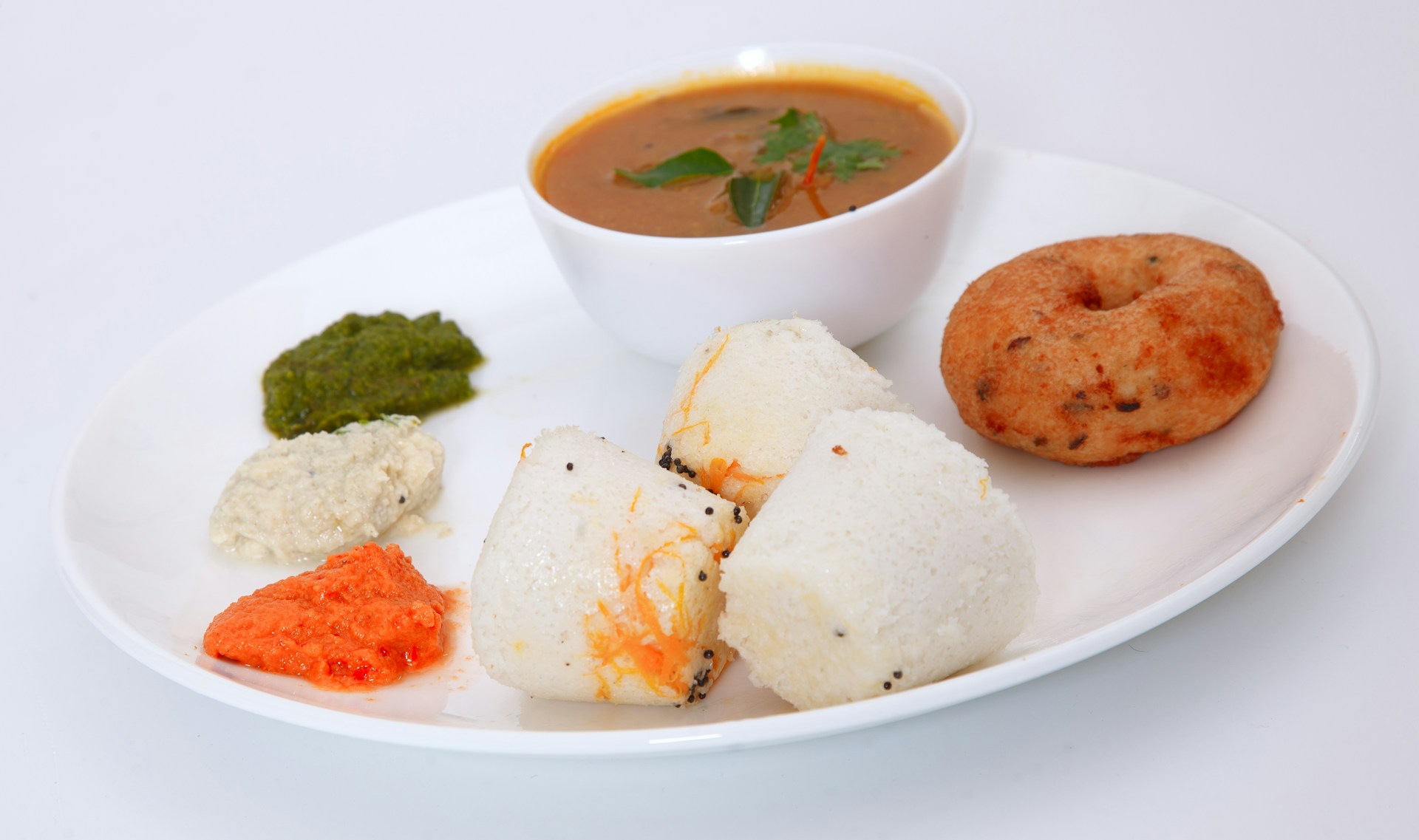


Indian cuisine extends far beyond the main course, finding its soul in the vibrant array of chutneys and pickles that grace every table. These flavorful companions have traveled thousands of miles from the subcontinent to American kitchens, where Indian-American families continue to honor age-old traditions while adapting to new environments. From tangy tamarind chutneys to fiery mango pickles, these condiments serve as edible links to heritage, family memories, and cultural identity, binding communities together across the diaspora.
The Cultural Significance of Indian Condiments
Indian-American communities understand that these condiments carry stories of regional identity and family traditions. Each household often guards secret recipes passed down through generations, creating unique flavor profiles that reflect their ancestral origins. Whether it's a Gujarati family's sweet and sour date chutney or a Bengali household's kasundi mustard pickle, these condiments serve as culinary ambassadors of their respective regions.
The preparation of these condiments often becomes a communal activity during festivals and special occasions. Indian-American families gather to make large batches of seasonal pickles, transforming kitchens into aromatic workshops where traditional techniques meet modern conveniences. This practice not only ensures a year-round supply of beloved flavors but also provides opportunities for younger generations to learn from elders, preserving culinary knowledge that might otherwise fade away.
Regional Varieties and Their American Adaptations
North Indian Chutney Traditions
North Indian families in the U.S. have perfected the art of mint and cilantro chutneys, often served fresh with every meal. These bright green accompaniments provide cooling relief against spicy curries and add freshness to rich gravies. Many families grow their own herbs in backyard gardens or windowsill planters, ensuring authentic flavors remain accessible even in American suburbs.
The tamarind chutney, with its perfect balance of sweet and sour notes, has become particularly popular among Indian-American communities. This versatile condiment pairs beautifully with samosas, pakoras, and chaat items that have gained popularity in American Indian restaurants and food trucks.
South Indian Pickle Heritage
South Indian families bring the tradition of coconut-based chutneys and oil-preserved pickles to American tables. The coconut chutney, typically ground fresh each morning, requires specific techniques to achieve the proper consistency and flavor balance. Many families invest in powerful blenders or wet grinders to replicate the textures achieved by traditional stone grinding methods back home.
Lime pickles and mango pickles from South Indian traditions have found enthusiastic audiences among both Indian and non-Indian Americans. These intensely flavored condiments, preserved in oil and salt, can last for months when properly stored, making them practical choices for busy American lifestyles.
Preserving Traditional Recipes in Modern Kitchens
Indian pickle recipes have undergone creative adaptations to suit American ingredients and cooking methods. Many families substitute local vegetables and fruits when traditional ingredients prove difficult to source. Green tomatoes replace unripe mangoes in some pickle recipes, while locally grown hot peppers add familiar heat to traditional spice blends.
The art of tempering spices, crucial for authentic Indian condiments, remains unchanged despite the advent of modern kitchen equipment. Indian-American cooks still heat oil in small pans, adding mustard seeds, cumin, and curry leaves in precise sequences to release maximum flavor and aroma. Just as families preserve traditional spice blending techniques, they maintain these time-tested tempering methods that define authentic Indian flavors.
Storage methods have evolved with American kitchen designs, utilizing refrigeration and freezer space to extend shelf life while maintaining traditional fermentation processes that develop complex flavors over time.
Essential Recipes for Indian-American Households
Quick Mint Cilantro Chutney
This everyday green chutney requires:
- 1 cup fresh mint leaves
- 1 cup fresh cilantro leaves
- 2-3 green chilies
- 1 inch ginger piece
- 1 tablespoon lemon juice
- Salt to taste
- 2 tablespoons water
Blend all ingredients until smooth, adjusting the water to achieve the desired consistency. This chutney stays fresh for up to a week refrigerated and pairs perfectly with Indian breads and snacks.
Traditional Lemon Pickle
This oil-free pickle ferments naturally:
- 10-12 fresh lemons, quartered
- 1/4 cup coarse salt
- 2 tablespoons turmeric powder
- 2 tablespoons red chili powder
- 1 tablespoon fenugreek powder
Mix all ingredients in a glass jar, ensuring the lemons are well-coated. Store in a warm spot for 5-7 days, stirring daily until the lemons have softened and released their juices.
Serving Suggestions and Pairings
Indian families have discovered creative ways to incorporate these condiments into both traditional and fusion meals. Mint chutney serves as an excellent dip for grilled vegetables and sandwiches, while tamarind chutney adds complexity to salad dressings and marinades.
Pickles traditionally reserved for rice meals now accompany cheese boards and charcuterie platters, introducing non-Indian friends and neighbors to intense, complex flavors. Many Indian-American families prepare small portions of various chutneys and pickles for dinner parties, creating tasting flights that showcase regional diversity and family specialties.
The integration of these condiments into everyday American meals has created unique fusion opportunities. Spicy mango pickle pairs well with grilled cheese sandwiches, while cooling coconut chutney complements spicy tacos and barbecued meats.
Preserving Heritage Through Flavor
Chutneys and pickles embody cultural continuity, family bonds, and regional pride that transcend geographical boundaries. As these communities continue to grow and evolve across the United States, the preservation of traditional recipes ensures that future generations remain connected to their roots while creating new memories around familiar flavors. The adaptation of ancient techniques to modern American kitchens demonstrates the resilience and creativity of diaspora communities in maintaining their culinary heritage.
These flavorful sidekicks will continue to play essential roles in Indian-American homes, bringing families together through shared preparation experiences and connecting communities through the universal language of food. Whether served at elaborate festival celebrations or simple weeknight dinners, these condiments carry forward centuries of tradition while embracing the possibilities of their new American context. Visit United Tribes today to learn more about Indian culture and community.


