
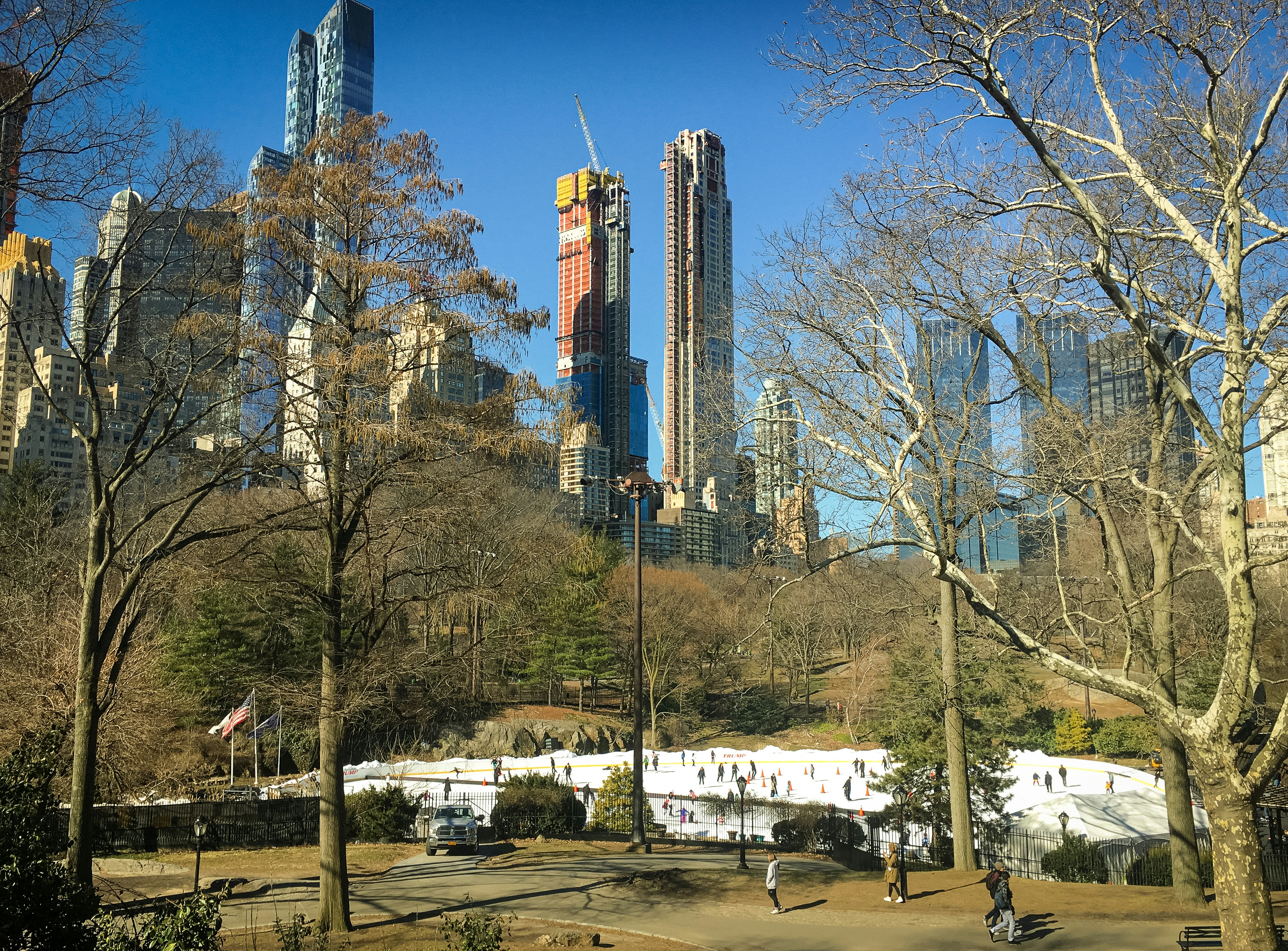


As we navigate through 2026, American civic spaces are experiencing a remarkable renaissance that's fundamentally transforming how communities connect, learn, and celebrate together. Traditional parks, public libraries, and town squares are no longer just passive spaces for quiet reflection or basic recreation. Instead, they've evolved into dynamic hubs of community life, where diverse voices come together to share stories, preserve traditions, and build bridges across cultural divides.
Reimagining Public Libraries as Cultural Exchange Centers
Public libraries in 2026 have transcended their traditional role as repositories of books and information. Today's libraries serve as vibrant public spaces and culture hubs where communities gather to share their heritage while learning about others. These spaces now feature dedicated areas for cultural programming, including multilingual storytelling sessions, traditional craft workshops, and cooking demonstrations that celebrate America's diverse culinary landscape.
Modern library design emphasizes flexibility and community input. Moveable walls allow spaces to transform from quiet study areas into celebration venues for cultural festivals and community gatherings.
The integration of technology has also enhanced these cultural exchanges. Interactive digital exhibits allow visitors to explore immigration stories, learn basic phrases in different languages, and discover local businesses owned by community members from various cultural backgrounds.
Programming initiatives have become increasingly sophisticated, with libraries partnering with local cultural organizations to offer citizenship preparation classes, cultural competency workshops for local businesses, and intergenerational dialogue sessions. These programs recognize that building strong American communities requires both preserving individual cultural identities and fostering mutual understanding across different groups.
Parks as Venues for Cultural Celebration and Learning
American parks in 2026 have become essential venues for building community one celebration at a time, hosting everything from traditional dance performances to cultural food festivals that bring neighbors together around shared experiences. These outdoor spaces now feature permanent infrastructure designed specifically for community events, including covered pavilions with built-in sound systems, outdoor kitchens for cultural cooking demonstrations, and flexible staging areas that can accommodate various types of performances.
Inclusive design principles guide modern park development, ensuring accessibility for all community members regardless of age, ability, or cultural background. Playground equipment reflects diverse cultural games and activities, while walking paths feature educational displays about local history and the contributions of different cultural communities to the area's development.
Many parks now include dedicated cultural gardens where community groups can grow traditional plants and vegetables, creating opportunities to share knowledge of agricultural practices from different regions of the world. These gardens serve multiple purposes: providing fresh ingredients for community cooking events, teaching children about diverse food systems, and creating peaceful spaces for reflection and connection with cultural roots.
Community programming in parks has expanded to include regular cultural festivals, outdoor movie screenings featuring films from various countries, and seasonal celebrations honoring traditions throughout the year. These events are planned collaboratively with community input, ensuring that programming reflects residents' actual demographics and interests rather than assumptions made by city planners.
Town Squares as Democratic Spaces for Civic Engagement
The revival of town squares in American civic spaces in 2026 represents a commitment to democratic participation and inclusive civic engagement. These central gathering spaces now serve as venues for community forums, cultural presentations, and civic education initiatives that strengthen both local democracy and intercultural understanding.
Modern town square design incorporates elements that welcome diverse forms of expression and gathering. Flexible seating arrangements accommodate both large community meetings and smaller cultural discussion groups. Digital information kiosks provide multilingual access to local government information, community event calendars, and resources for new residents navigating American civic systems.
These spaces regularly host civic engagement events that combine democratic participation with cultural celebration. Town halls with multilingual translation services ensure that all community members can participate in local decision-making. Cultural heritage months are celebrated with educational displays, performances, and opportunities for community members to share their stories and perspectives on American civic life.
Public art installations in town squares increasingly reflect the diverse heritage of local communities, with rotating exhibits that highlight different cultural traditions and their contributions to American society. These artistic elements serve as conversation starters, helping residents learn about their neighbors' backgrounds while celebrating the common values that unite diverse communities.
Technology Integration: Enhancing Community Connection
The integration of smart technology in civic spaces has revolutionized how Americans connect with their communities and access cultural programming. Digital wayfinding systems in multiple languages help all residents navigate civic spaces and discover relevant programming. Mobile apps connected to civic spaces allow community members to reserve spaces for cultural events, join interest-based groups, and receive notifications about relevant programming.
Interactive technology installations enable visitors to access augmented reality experiences that share local cultural history, learn about upcoming community events, and even connect with local businesses owned by community members. These digital tools help bridge the gap between traditional civic spaces and the modern expectation for connected, responsive community infrastructure.
Virtual reality stations in libraries and community centers allow residents to experience cultural sites and traditions from around the world, fostering global awareness while strengthening appreciation for local diversity. These technologies particularly benefit students and young adults, helping them understand their own heritage while developing empathy for different cultural experiences.
Programming That Reflects Evolving American Values
Community programming in 2026 civic spaces reflects a sophisticated understanding of what modern Americans value: inclusivity, sustainability, lifelong learning, and authentic cultural exchange. Programming schedules are developed through extensive community consultation, ensuring that events and services meet actual community needs rather than outdated assumptions about civic engagement.
Educational initiatives range from practical workshops on topics like financial literacy and digital skills to cultural education programs that help Americans understand the diverse traditions that enrich our national fabric. These programs are designed to be mutually beneficial, where community members both teach and learn from each other, creating reciprocal relationships rather than one-directional service delivery.
Finding Renewed Spaces For Culture and Community
Civic spaces help facilitate regular opportunities for older and younger community members to connect around shared interests and cultural learning. These relationships help preserve cultural knowledge while adapting traditions for contemporary American life. All of these efforts contribute to a more cohesive community focused on exchanging, preserving, and diversifying culture, education, and tradition.
Visit United Tribes today to learn more about American culture and community celebrations that bring people together around these renewed communal spaces.


