
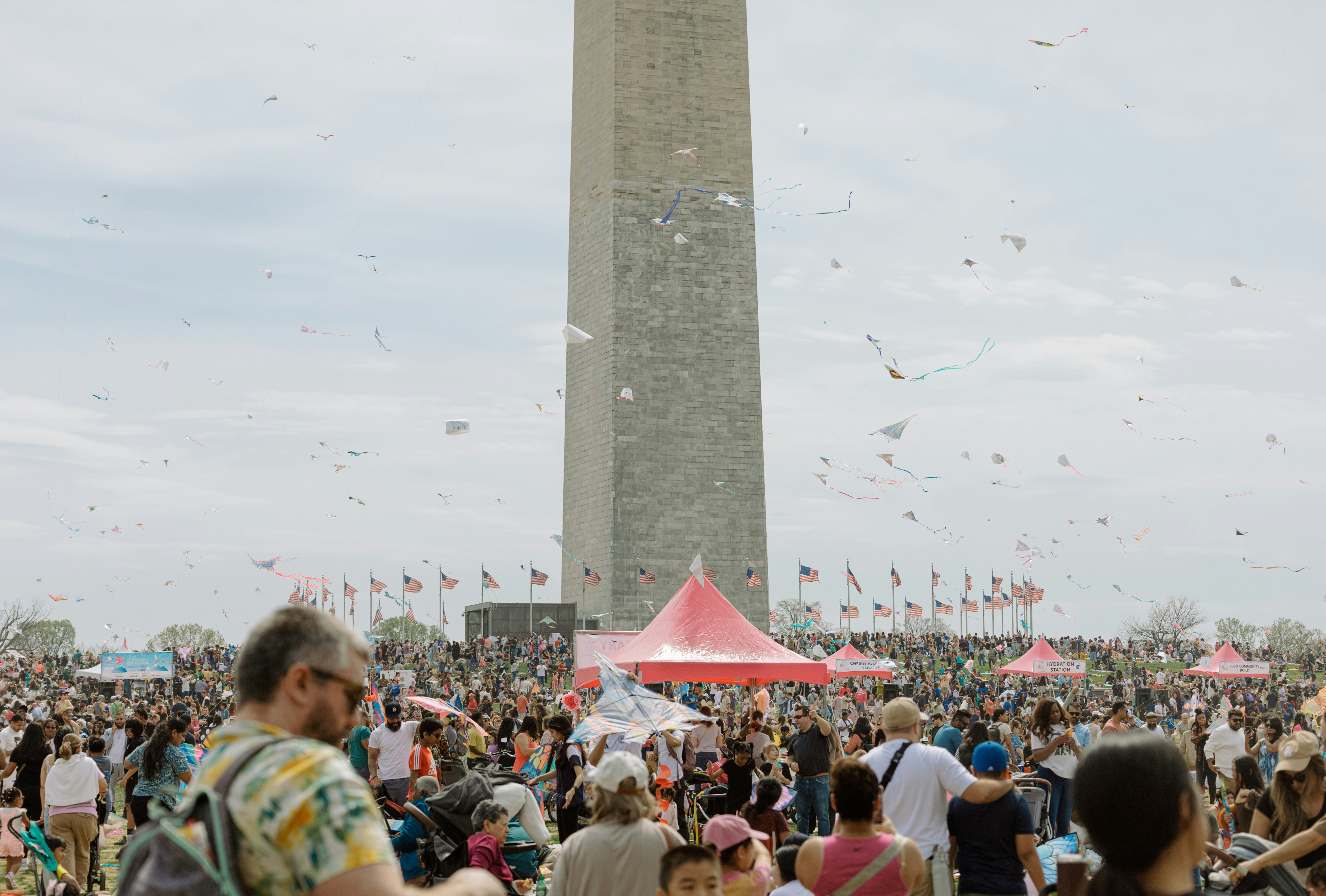

As America continues to evolve as a vibrant tapestry of cultures, U.S. community festivals have emerged as powerful catalysts for bringing diverse communities together. In 2026, these celebrations showcase individual heritage traditions and create unprecedented opportunities for cultural exchange. From coast to coast, local events are transforming neighborhoods into global villages where stories, flavors, music, and traditions interweave to strengthen the fabric of American society.
The Evolution of American Community Festivals
The landscape of American festivals has undergone a remarkable transformation over the past decade, with 2026 marking a pivotal year for community-driven celebrations. Unlike traditional single-culture events, modern U.S. community festivals are embracing collaborative approaches that highlight multiple heritage communities within a single celebration.

Welcome to United Tribes
Where American Culture Comes Alive
Join Your Tribe
Connect with your people
Discover Events
Watch parties & festivals
Find American Businesses
Restaurants, markets & more
Earn Crown Credits
Get rewarded for engaging
Cities like Los Angeles, New York, Houston, and Chicago have pioneered festival formats that rotate cultural spotlights throughout the event, allowing attendees to experience everything from Vietnamese pho cooking demonstrations to Mexican folklorico performances in a single afternoon.
Local events are also leveraging technology to enhance cross-cultural connections. Many festivals now feature QR codes that visitors can scan to learn about the historical significance of specific traditions, translate cultural explanations into multiple languages, or connect with community organizations for ongoing involvement beyond the festival dates.
Regional Spotlight: How Different Areas Foster Cultural Exchange
Northeast Cultural Fusion
The Northeast region has become a pioneer in creating U.S. community festivals that emphasize storytelling as a bridge between cultures. Cities like Boston and Philadelphia host "Heritage Story Circles" where community elders share immigration stories, traditional recipes, and cultural wisdom with attendees from all backgrounds.
These local events in the Northeast often feature "Cultural Ambassador" programs in which young people from diverse heritage communities partner to learn about and present each other's traditions. The result is powerful cross-cultural friendships and understanding that extends far beyond the festival grounds.
Southern Hospitality Meets Global Traditions
Southern states have embraced cultural exchange through food-focused festivals that blend traditional Southern hospitality with international culinary traditions. Cities like Atlanta, Nashville, and New Orleans host events where Southern cooking techniques are demonstrated alongside dishes from Korean, Ethiopian, and Lebanese communities.
The "Fusion Food Challenges" have become popular local events in which chefs from diverse cultural backgrounds collaborate to create dishes that honor both their heritage and Southern ingredients. These collaborations often lead to permanent menu additions at local restaurants and food trucks.
Western Innovation in Cultural Programming
The Western United States has revolutionized U.S. community festivals through environmental and cultural sustainability initiatives. California and Washington festivals incorporate traditional ecological knowledge from Native American, Latino, and Asian Pacific Islander communities into educational programming about sustainable living practices.
These local events feature workshops on traditional farming techniques, natural medicine preparation, and eco-friendly crafts that draw from multiple cultural traditions. Attendees learn that sustainability principles transcend cultural boundaries and gain practical skills they can apply in their daily lives.
Building Bridges Through Shared Experiences
Cultural exchange thrives when festivals create opportunities for hands-on participation rather than passive observation. Successful U.S. community festivals in 2026 prioritize interactive experiences that allow attendees to engage directly with different cultural traditions.
Dance workshops have proven particularly effective at breaking down cultural barriers. When someone from the Irish-American community learns Bollywood choreography or when Filipino-American families participate in African drumming circles, the physical act of learning creates lasting connections and appreciation.
Language exchange stations at local events pair community members who want to practice different languages in casual, supportive environments. These informal conversations often evolve into ongoing mentorship relationships and cultural friendships that enrich both participants' lives.
Art collaboration projects invite festival attendees to contribute to large-scale murals, quilts, or sculptures that incorporate design elements from multiple cultural traditions. These permanent installations serve as year-round reminders of the community's commitment to cultural exchange and become focal points for ongoing intercultural dialogue.
The Economic and Social Impact of Inclusive Celebrations
U.S. community festivals have demonstrated significant economic benefits for both heritage businesses and their broader communities. Local chambers of commerce report that successful multicultural festivals generate increased tourism, attract new residents, and encourage business investment in festival neighborhoods.
The social impact extends beyond economic measures, with community surveys showing increased tolerance, reduced prejudice, and stronger neighborhood cohesion in areas that host regular cultural events. Children who grow up attending diverse local events develop global perspectives and cross-cultural communication skills that serve them throughout their educational and professional lives.
Healthcare organizations have partnered with festivals to address health disparities by sharing traditional wellness practices and connecting community members with culturally competent healthcare providers.
Technology and Innovation in Cultural Programming
The integration of technology into U.S. community festivals has opened new possibilities for cultural sharing and education. Virtual reality experiences enable attendees to "visit" cultural landmarks worldwide, providing context for the traditions celebrated at local events.
Social media integration encourages real-time cultural exchange, with festival hashtags creating digital spaces where attendees share their experiences, ask questions about different traditions, and continue conversations initiated during local events. Live streaming capabilities enable family members and friends abroad to participate virtually in American cultural celebrations.
Celebrating Unity Through Diversity
Local events demonstrate that cultural exchange strengthens when communities come together to learn from one another while honoring their individual heritage traditions. The success of these festivals demonstrates that diversity is not just America's strength but its greatest opportunity to build inclusive, thriving communities.
As festivals continue to evolve and expand their reach, they create lasting impacts that extend far beyond single event days. The relationships formed, lessons learned, and connections made during these celebrations contribute to a more understanding and unified American society. Visit United Tribes today to learn more about cultural communities and multicultural celebrations happening across America.
Make United Tribes Your Preferred Source
Add United Tribes on Google to get the latest stories, cultural updates, and community events directly in your Google Search and Top Stories.


