
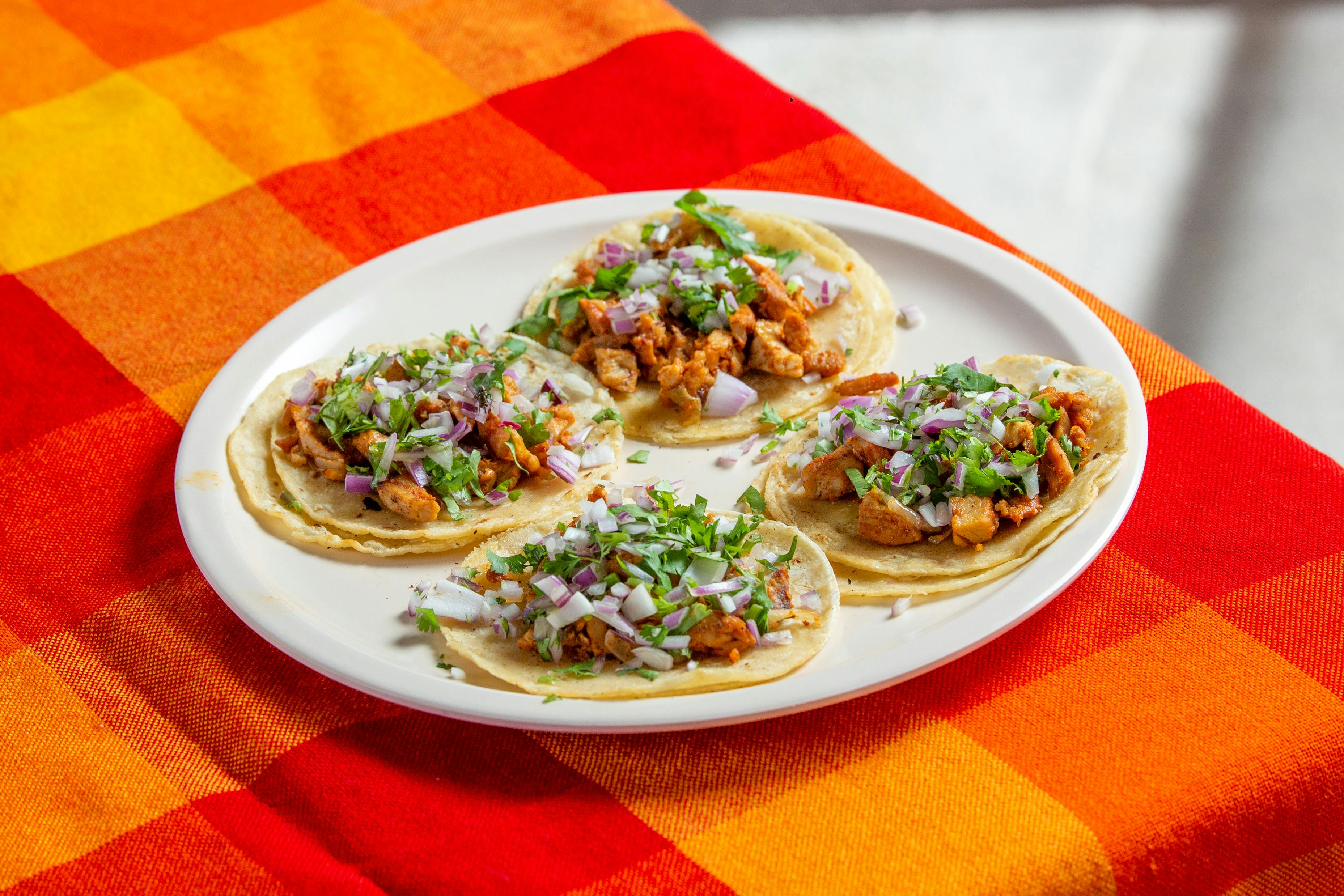

The American culinary landscape is experiencing a vibrant transformation as Hispanic cuisine continues to weave its rich tapestry of flavors, techniques, and traditions into mainstream dining culture. From food trucks serving authentic tacos to upscale restaurants reimagining traditional dishes, Latin American influences have moved far beyond ethnic enclaves to become integral elements of contemporary American gastronomy. This fusion represents a beautiful marriage of tradition and innovation, where time-honored cooking methods meet local ingredients and modern culinary techniques.
The Evolution of Latin Flavors in American Restaurants
The evolution of Latin American food culture in the United States has been dramatic over the past several decades. What began as neighborhood establishments serving homesick immigrants has blossomed into a sophisticated culinary movement that influences everything from fast-casual chains to Michelin-starred restaurants.

Welcome to United Tribes
Where Mexican Culture Comes Alive
Join Your Tribe
Connect with your people
Discover Events
Watch parties & festivals
Find Mexican Businesses
Restaurants, markets & more
Earn Crown Credits
Get rewarded for engaging
Regional diversity plays a crucial role in this evolution. Mexican cuisine, once simplified to basic Tex-Mex offerings, now showcases the complex regional variations from Oaxaca's mole traditions to Yucatan's citrus-forward dishes. The influence of Latin cuisine in the US demonstrates how these authentic flavors have gained recognition and respect in mainstream dining circles.
Contemporary restaurants are embracing ingredients like aji amarillo, sofrito, and chimichurri as flavor foundations rather than exotic additions. Chefs are incorporating traditional cooking techniques such as wood-fire roasting, slow-braising in banana leaves, and stone grinding of spices to create depth and authenticity that resonates with diners seeking genuine culinary experiences.
Latino Chefs Leading the Culinary Revolution
Latino chefs have emerged as influential voices in American gastronomy, bringing not only their culinary skills but also their cultural narratives to the forefront of dining conversations. These culinary artists are redefining what it means to cook Latin American food in the United States, creating bridges between authentic tradition and contemporary American palates.
Many of these chefs draw inspiration from their family histories, transforming grandmother's recipes into restaurant concepts that honor the past while embracing the future. They're introducing Americans to lesser-known dishes and ingredients, expanding the understanding of Latin American food culture beyond familiar staples.
Rising Stars and Established Masters
Television cooking shows, culinary competitions, and food media have provided platforms for Latino chefs to share their stories and techniques with broader audiences. These visibility opportunities have helped normalize Latin American cooking methods and ingredients in home kitchens across the nation.
Restaurant ownership among Latino chefs has also increased, allowing for more authentic representation of their culinary heritage. Supporting local Latin businesses creates economic opportunities while preserving cultural traditions through food.
The influence extends beyond individual restaurants to culinary education, where Latino chefs are teaching the next generation of cooks about traditional techniques, sustainable sourcing practices, and the cultural significance of various dishes within their communities.
Traditional Dishes Finding New American Expressions
Classic Latin American dishes are being reimagined for contemporary American dining, creating exciting fusion opportunities that respect tradition while embracing innovation. These adaptations demonstrate how Hispanic cuisine continues to evolve and adapt to new forms in diverse cultural contexts.
Ceviche has become a prime example of successful culinary adaptation. The art of making ceviche showcases how this traditional preparation method has been embraced by American chefs who appreciate its fresh, clean flavors and healthy preparation methods.
Traditional cooking vessels and techniques are finding their way into American restaurant kitchens. Molcajetes, comals, and clay pots are no longer just authentic touches—they're functional tools that chefs recognize for their ability to enhance flavors and create unique textures.
Modern Interpretations of Classic Comfort Foods
Arepas represent another success story in the adaptation of Latin American cuisine. Arepas around the world demonstrate how this versatile dish has been embraced by American diners who appreciate its gluten-free properties and endless filling possibilities.
Street food culture has particularly thrived in American cities, where food trucks and casual dining establishments serve elevated versions of traditional snacks. Elote, pupusas, and empanadas have become familiar items on menus across diverse neighborhoods, introducing new flavors to adventurous eaters while providing comfort food for Latino communities.
The adaptation process often involves sourcing local ingredients that can substitute for traditional ones, creating unique regional variations that reflect both Latin American techniques and American agricultural offerings.
Regional Variations Across the United States
Different regions of the United States have embraced Latin American food culture in ways that reflect local preferences, available ingredients, and existing Latino populations. This regional diversity has given rise to fascinating culinary subcultures that showcase the adaptability and appeal of Hispanic cuisine.
California's influence cannot be overstated, given its proximity to Mexico and large Latino populations, which have created an environment where authentic ingredients are readily available. The farm-to-table movement has particularly embraced Latin American vegetables and herbs, incorporating items like tomatillos, epazote, and various chile varieties into seasonal menus.
The Southwest has developed its own interpretation of Latin flavors, often blending Mexican techniques with local ingredients and Native American influences. This fusion has given rise to distinctive regional dishes that represent the rich cultural heritage of these areas.
East Coast and Urban Centers
New York and urban centers on the East Coast have become laboratories for Latin American culinary innovation, where chefs have access to diverse ingredients and adventurous dining audiences. The density of different Latino communities, such as Dominican, Puerto Rican, Colombian, and others, has created neighborhoods where authentic regional specialties thrive alongside innovative fusion concepts.
Miami's unique position as a gateway to Latin America has made it a hub for contemporary Latin American cuisine, where influences from across the region converge and interact, creating new hybrid dishes that reflect the city's international character.
The diversity of Mexico's culinary traditions is reflected in the presence of regional Mexican restaurants throughout American cities, which serve a range of dishes, from Oaxacan grasshopper tacos to Michoacán carnitas, educating American diners about the complexity and sophistication of Mexican cuisine.
Impact on American Food Culture and Identity
The integration of Hispanic cuisine into mainstream American dining has had a profound impact on how Americans perceive food, flavor, and cultural identity. This influence extends beyond restaurants to home cooking, where Latin American ingredients and techniques have become standard elements in many American kitchens.
Grocery stores now stock items that were once only available in specialty markets—plantains, yuca, queso fresco, and various chile varieties have become mainstream ingredients that home cooks incorporate into their regular meal planning.
The health benefits associated with many Latin American cooking methods, such as fresh salsas, grilled preparations, and vegetable-forward dishes, align with contemporary American interests in healthier eating patterns. Traditional dishes often emphasize fresh ingredients, minimal processing, and balanced nutrition that appeals to health-conscious consumers.
Cultural Exchange Through Food
Food festivals and cultural events celebrating Latin American cuisine have become popular community gatherings that introduce non-Latino Americans to authentic dishes while providing Latino communities with opportunities to share their heritage. These events demonstrate how food serves as a universal language for cultural exchange and understanding.
The popularity of Latin American flavors has also influenced American holiday celebrations, where traditional dishes like tamales during Christmas or tres leches cake for birthday celebrations have been adopted by families regardless of their ethnic background.
This culinary integration represents a broader acceptance and celebration of Latino contributions to American culture, using food as a bridge to foster understanding and appreciation between different communities.
A Flavorful Future for American Dining
The transformation of American dining through Latin American flavors represents the dynamic nature of American food culture and the valuable contributions of Latino communities. From innovative Latino chefs creating sophisticated dining experiences to neighborhood restaurants serving authentic comfort foods, Hispanic cuisine has become an integral part of the American culinary landscape. This evolution continues to introduce new flavors, techniques, and cultural perspectives that enrich the dining experience for all Americans.
Visit United Tribes today and discover more about Latino culture and community, where you can find authentic restaurants, attend cultural events, and connect with the vibrant Hispanic communities that are shaping America's culinary future.
Make United Tribes Your Preferred Source
Add United Tribes on Google to get the latest stories, cultural updates, and community events directly in your Google Search and Top Stories.