
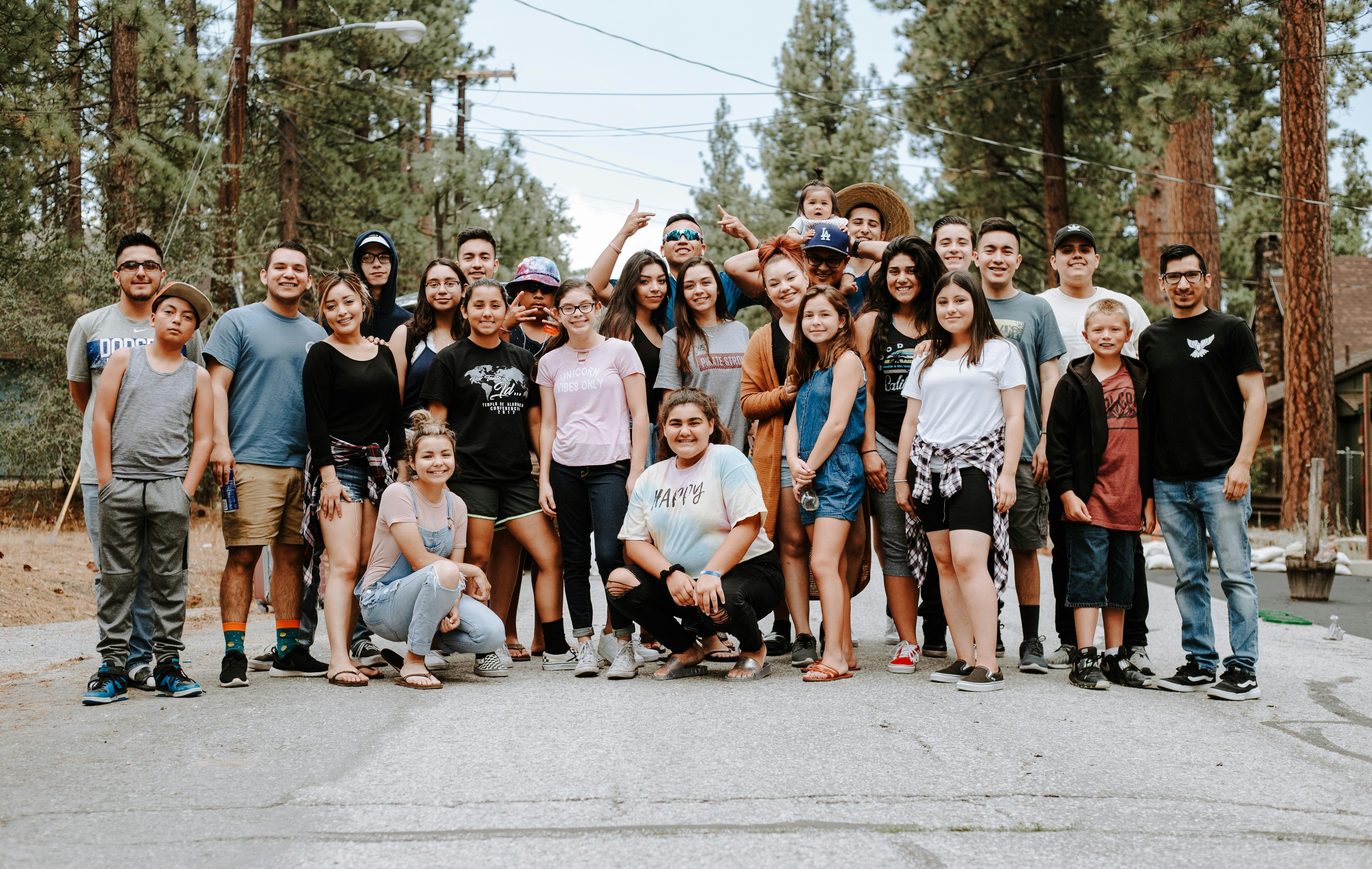

America has always been a melting pot, but today's immigrant communities are taking cultural pride to new heights, creating vibrant tapestries that reshape the nation's identity. From bustling ethnic neighborhoods to fusion restaurants that blend traditional recipes with American tastes, these communities don't just preserve their heritage—they actively transform U.S. culture while maintaining deep connections to their roots.
The result is a dynamic cultural landscape in which tradition meets innovation, creating spaces in which second- and third-generation Americans can celebrate their ancestry while contributing uniquely American perspectives to their inherited traditions.

Welcome to United Tribes
Where American Culture Comes Alive
Join Your Tribe
Connect with your people
Discover Events
Watch parties & festivals
Find American Businesses
Restaurants, markets & more
Earn Crown Credits
Get rewarded for engaging
The Evolution of Cultural Expression in Modern America
Cultural pride among immigrant communities has evolved significantly over the past few decades. Unlike previous generations who often felt pressure to assimilate completely, today's communities embrace a dual identity that honors their heritage while fully participating in American society. This shift reflects broader changes in how America views diversity, moving from a "melting pot" mentality to celebrating multiculturalism as a strength.
Digital platforms and social media have amplified this transformation, allowing communities to share their traditions with wider audiences and connect with others who share their heritage. Food festivals, cultural parades, and heritage months are no longer confined to specific neighborhoods—they've become citywide celebrations that attract people from all backgrounds, fostering cross-cultural understanding and appreciation.
The economic impact of this cultural expression is substantial. Ethnic businesses, from family restaurants to specialty grocery stores, contribute billions to local economies while serving as cultural ambassadors. These establishments often become gathering places where community members can speak their native languages, find familiar foods, and maintain connections to their homeland traditions.
Culinary Traditions Transforming American Palates
Food remains one of the most powerful ways immigrant communities influence U.S. culture. What starts as authentic family recipes in ethnic enclaves eventually spreads to mainstream American dining, fundamentally changing what Americans consider "normal" cuisine.
Traditional Recipes in Modern Contexts
Immigrant families often adapt their traditional recipes to accommodate locally available ingredients and American tastes, creating unique fusion cuisines that maintain cultural authenticity while appealing to broader audiences. These adaptations reflect the cultural pride these communities feel—they're not abandoning their heritage but rather expanding it to include their American experience.
Food trucks and pop-up restaurants have become particularly effective vehicles for introducing Americans to authentic ethnic cuisines. These businesses allow immigrant entrepreneurs to share their culinary traditions while building sustainable livelihoods, often serving as stepping stones to larger restaurant ventures.
Community Gatherings and Food Festivals
Cultural food festivals serve multiple purposes within immigrant communities: they generate economic opportunities, preserve culinary traditions, and educate the broader American public about different cultures. These events often feature cooking demonstrations, traditional music, and storytelling that provide context for the food being shared.
Restaurant partnerships with local farms and suppliers also demonstrate how immigrant communities contribute to sustainable food systems, often introducing Americans to new vegetables, spices, and cooking techniques that expand agricultural diversity.
Language Preservation and Cultural Identity
Language serves as a cornerstone of cultural pride for many immigrant communities, representing not just communication but entire worldviews and cultural perspectives. Bilingual education programs in many American schools now reflect the value placed on multilingualism, with children learning languages like Mandarin, Arabic, Korean, and Portuguese alongside traditional European languages. This shift acknowledges that America's future competitiveness depends on citizens who can communicate across cultures.
Community language schools, often operated by cultural organizations and religious institutions, play crucial roles in helping second and third-generation Americans maintain connections to their heritage languages.
Media and entertainment in heritage languages have attracted growing audiences among both immigrant communities and Americans seeking authentic cultural content. Streaming services now feature extensive collections of international films and shows, while local radio stations broadcast in dozens of languages across major metropolitan areas.
Festivals and Celebrations Enriching American Life
Cultural festivals have become significant contributors to American cultural life, with numerous ethnic celebrations drawing millions of participants annually. These events demonstrate how immigrant communities share their cultural pride while creating inclusive spaces for cultural exchange.
Traditional Celebrations in American Settings
Religious and seasonal celebrations from various cultures have enriched American holiday traditions, introducing new customs around harvest festivals, New Year celebrations, and coming-of-age ceremonies. Many Americans now participate in Diwali celebrations, Lunar New Year festivities, and Day of the Dead observances, expanding the nation's calendar of meaningful cultural events.
Economic Impact of Cultural Events
Cultural festivals generate substantial economic benefits for host communities, attracting tourists, supporting local businesses, and creating opportunities for cultural entrepreneurs. Vendors selling traditional crafts, clothing, and foods often use these events to launch or expand their businesses, while performers and artists gain exposure to new audiences.
Sponsorship and partnerships between cultural organizations and mainstream businesses demonstrate growing recognition of immigrant communities' economic influence and cultural contributions. These collaborations often result in year-round programming that extends beyond single festival events.
Arts and Entertainment Crossing Cultural Boundaries
The influence of immigrant communities extends powerfully into American arts and entertainment. These artistic contributions demonstrate how cultural pride gives rise to innovative art forms that resonate with both ethnic communities and mainstream audiences.
Musical fusion has become particularly prominent, with artists combining traditional instruments and melodies with contemporary American genres such as hip-hop, jazz, and rock. This musical blending creates new sounds that reflect the multicultural American experience while honoring ancestral traditions.
Visual arts, theater, and literature by immigrant artists often explore themes of identity, belonging, and cultural transmission, resonating with diverse audiences. These works contribute to broader American conversations about heritage, family, and community while preserving important cultural narratives.
Film and television increasingly feature authentic representations of immigrant experiences, moving beyond stereotypical portrayals to complex characters whose cultural backgrounds enrich storylines without defining them entirely. This representation helps normalize cultural diversity while providing positive role models for young people from immigrant families.
Building Bridges Through Cultural Exchange
Immigrant communities serve as natural bridges between U.S. culture and their countries of origin, facilitating international understanding and cooperation. Cultural exchange programs, sister city relationships, and business partnerships often develop through these community connections, benefiting both local economies and international relations.
Educational institutions increasingly partner with cultural organizations to provide authentic cultural experiences for students, from elementary school cultural fairs to university study abroad programs developed in consultation with local immigrant communities. These partnerships ensure cultural education remains accurate and respectful while providing community members opportunities to share their expertise.
Interfaith and intercultural dialogue initiatives led by immigrant communities help build understanding across groups while addressing common challenges, including education, healthcare, and economic development. These collaborations demonstrate how cultural diversity strengthens community problem-solving capabilities.
Cultural Pride Strengthens America's Future
Immigrant communities continue to reshape U.S. culture through their unwavering cultural pride and innovative adaptations of traditional practices. From neighborhood restaurants serving authentic family recipes to large-scale cultural festivals that attract thousands of participants, these communities demonstrate that preserving heritage and embracing American identity are complementary forces that create richer, more vibrant communities for everyone.
The ongoing contributions of immigrant communities prove that America's strength lies not in cultural uniformity but in the dynamic exchange between diverse traditions and shared American values. As these communities continue to grow and evolve, their influence will undoubtedly deepen, creating new traditions that future generations will inherit and transform in their own ways.
Visit United Tribes today and find out more about the diverse immigrant cultures and communities shaping America's cultural landscape every day.
Make United Tribes Your Preferred Source
Add United Tribes on Google to get the latest stories, cultural updates, and community events directly in your Google Search and Top Stories.


