Decoding the Sofreh Aghd: A Symbolic Persian Wedding Custom
Culture
United Tribes
9 months ago
What’s the Sofreh Aghd All About?
A Persian wedding has Sofreh Aghd, translated to “spread” in English, at its core. Silk or embroidered cloth is often used for this ceremony, and it’s laid on the floor. However, modern-day Sofrehes would have the spread on an elevated platform. The couple sits near the stage.
The word “Sofreh” originally refers to a historic Persian fabric used for special occasions and seasonal feasts. Today, it brings families and friends together to celebrate major milestones.
The spread includes various items expressing well-wishes for the couple’s marriage. These objects are carefully selected and arranged according to the couple’s wishes, but nearly every Sofreh features several of the same items.
Objects Commonly Seen During an Iranian Sofreh Aghd
Here are some items you’ll spot on a Sofreh Aghd spread.
Mirrors & Candles or Candelabra
Many Sofrehes have a mirror (ayeeneh) positioned at the center. The mirror represents reflection, introspection, and authenticity, hoping to bring clarity to the couple’s marriage. Moreover, the mirror signifies the first time a couple looks at each other.
You’ll also see candles or candelabras (shamdoon) placed on each side of the mirror. They represent enlightenment and awakening, helping the couple overcome challenging times. After all, light is considered a divine force that fights darkness.
Additionally, the candles or candelabra symbolize a sacred presence watching over the couple’s path.
Sugar Cones
Sugar cones represent sweetness and prosperity. They’re rubbed over the couple’s heads to express everyone’s hope for a sweet and joyful marriage.
This ritual is performed while a fine cloth (toor-e-ghand cloth) is held over the couple’s heads, which signifies a shared home. Female acquaintances or relatives can sprinkle the sugar on the cloth.
A Sacred Book
A book is another symbolic item commonly laid on the Sofreh. Traditionally, a sacred book like the Qur’an, Bible, or Torah is spread out. It’s since been swapped for a poetry book filled with the wisdom of one’s Persian roots. Common examples of poetry books laid on the Sofreh include:
-Rumi’s Diwan-e Shams-e Tabrizi
-Hafez’s Divan
-Ferdowsi’s Shahnameh
The book highlights the significance of writing in Iranian culture and the value of knowledge, wisdom, and learning.
Honey
Persian couples also include honey in their Sofreh. They dip their pinky fingers into the fluid and feed it to each other, signifying sweetness in their relationship. This happens after the couple is declared husband and wife.
Bread (Naan-e-Sangak)
The naan-e-sangak represents abundance and sustenance in the couple’s life. It’s placed on the Sofreh alongside wheat, fresh fruit, and herbs. Together, these foods signify abundance, prosperity, nourishment, and sustenance.
Fruits (Meeveh) & Decorated Nuts
When it comes to fruits, the Sofreh always chooses apples, pomegranates, and grapes. They represent fertility, abundance, and eternal life.
Furthermore, a selection of mixed nuts, particularly walnuts, almonds, and hazelnuts, shares nearly the same symbolism as fresh fruits. They symbolize fertility and abundance.
Gold Coins
Gold coins are placed on the Sofreh to represent wealth and financial prosperity. They’re mainly bought for personal investment and as presents. However, with Iranians having fewer investment options and feeling uncertain about the nation’s security, they purchase and store a significant amount of gold at home. Plus, gold coins are used to decorate spaces.
Decorated Eggs (Tokhm-e-Morgh)
These natural symbols of fertility symbolize rebirth, transformation, and creativity. In turn, they invoke all three in the couple’s lives, representing the hope for children and a growing family.
Other Essential Items for a Sofreh Aghd Ceremony
- Wild rue (Esfand) - You may spot a tray of this herb that’s either shown or burnt during a Persian wedding. It’s supposed to combat any negative energy in the air and help protect, cleanse, and heal people.
- Needle and thread (Nakh-o-Soozan) - The needle for Sofreh Aghd contains seven threads. It’s used to sew several stitches into the unity cloth, expressing that the couple’s destinies have connected.
-Persian sweets - Noghl (sugar-coated almonds), baklava, sohan asali (saffron almond brittle), and other Persian confections are offered to guests after the ceremony. These sweet treats signify abundance and joy.
-Rose water (Golaab) - This scent freshens the air during the Aghd ceremony.
The Sofreh Aghd in Modern-Day Persian Weddings
You may think that the Sofreh Aghd is only reserved for traditional Persian wedding ceremonies. Still, it’s included in most modern-day weddings.
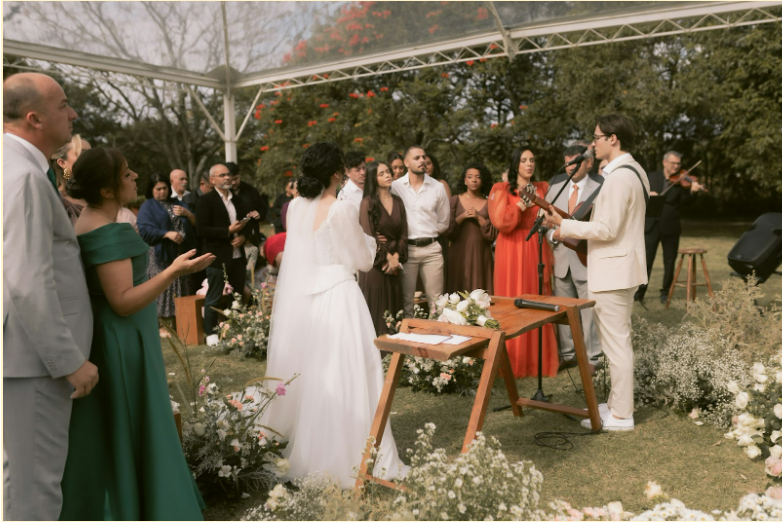
Nowadays, Sofreh Aghd arrangements highlight the same symbolic objects, combining them with color schemes and themes that follow current wedding trends. For example, some Persian couples in Italy hold a Sofreh Aghd ceremony on a scenic lawn. The venue can feature the Tuscan countryside as a backdrop, or a couple can choose to wed by the seaside.
Moreover, colors are picked to complement the wedding theme, and elements like simple designs and floral arrangements make everything feel modern.
As for the wedding spread, it can be personalized by mixing traditional and contemporary elements. A Sofreh can have heirloom candleholders and glass terrariums beside each other or display various items from different heritages. The last one can be a highlight of intercultural weddings.
Dig Deeper Into Traditional Persian Wedding Customs
Regardless of how Sofreh Aghd ceremonies are held, they continue to celebrate the values of love, unity, and shared blessings. These rites make Persian weddings meaningful and truly beautiful for guests to admire.
Furthermore, Sofreh’s symbolic nature allows many of us to discover the spiritual aspects of Persian culture. Each item on the spread symbolizes what matters most in married life: faith, joy, abundance, and unity. Sofreh Aghd ceremonies honor these enduring values, and they’re opportunities to appreciate the blessings and intentions associated with them.