

Key Takeaways
- Cultural businesses are living heritage anchors. Locally owned restaurants, shops, and artisan spaces preserve language, traditions, and community memory in ways that textbooks and tourism cannot replicate.
- The economic impact of cultural venues is substantial. Walkable clusters of independent cultural venues generate approximately $1.4 billion in annual direct economic impact and support nearly 12,000 jobs across the U.S.

Welcome to United Tribes
Where Diverse Cultures Come Alive
Join Your Tribe
Connect with your people
Discover Events
Watch parties & festivals
Find Tribe Businesses
Restaurants, markets & more
Earn Crown Credits
Get rewarded for engaging
- Legacy businesses reinforce community resilience. In immigrant and BIPOC communities, long-standing cultural establishments circulate local revenue, employ residents, and provide tailored goods that reinforce cultural pride and economic stability.
- Community events multiply the effect of cultural businesses. Festivals, art walks, and cultural gatherings drive foot traffic, tourism, and deeper engagement that benefit the entire surrounding business ecosystem.
- United Tribes connects people to cultural businesses and events. The platform's cultural business directory and events ecosystem helps users discover and support community-rooted establishments across the country.
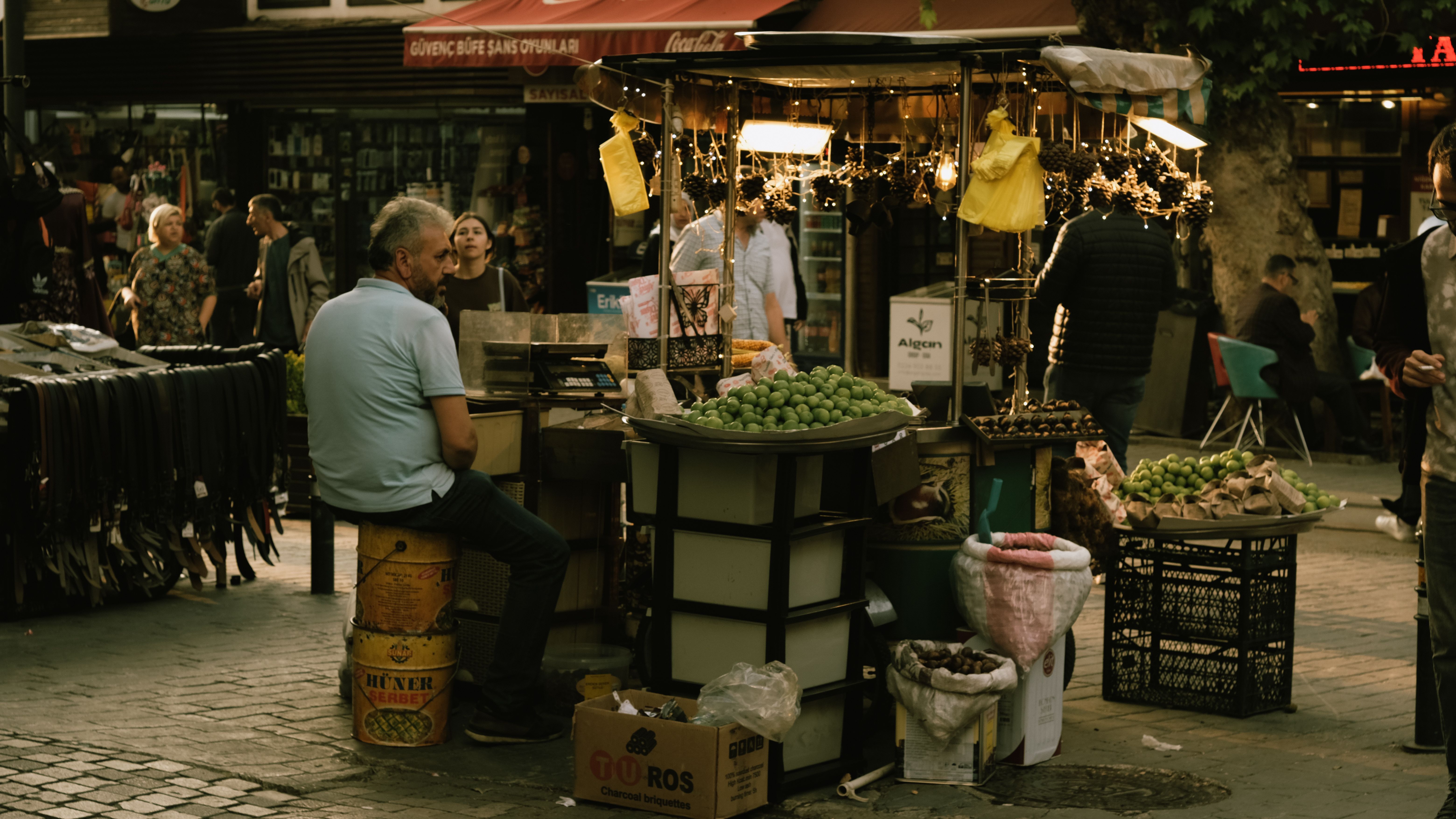
Culture is not a museum exhibit. It breathes through the barbershop on the corner, the family-owned taqueria two blocks away, the art gallery hosting a local painter's first show, and the festival that shuts down a street every summer. Supporting these spaces helps communities keep their identity alive—and lets individuals experience culture in its most authentic form.
Why do local businesses and events matter for cultural discovery?
Local cultural businesses and community events matter because they are the primary vehicles through which heritage is lived, not just remembered. They translate tradition into daily experience — making culture accessible, participatory, and economically viable for the communities that carry it forward.
A meal at a family-owned Salvadoran restaurant, a hand-stitched item from a Mexican artisan's booth, or a spoken word night at a Black-owned jazz venue does more than satisfy a consumer need. Each transaction sustains a cultural ecosystem. Research confirms this: the nonprofit arts and culture sector in the U.S. comprises roughly 100,000 organizations that contribute $166.3 billion in economic activity and support 4.6 million jobs, while also fostering social connection, community pride, and tourism through authentic local experiences.
The same principle applies to businesses that may not carry an "arts" label but serve an equally critical cultural function — the neighborhood hair salon where elders gather, the import grocery anchoring an immigrant block, the family bakery making recipes brought from across an ocean. These establishments are infrastructure for cultural identity.
Cultural Businesses Serve as Community Anchors
Culturally significant businesses—locally owned establishments that reflect community traditions—anchor human capital, meaning, and resilience, especially in underserved areas. This is not rhetorical. It is structural.
In Los Angeles, legacy businesses operating for at least 20 consecutive years are formally recognized as neighborhood anchors that shape cultural identity, support local economies, create jobs, and sustain community traditions. In immigrant and BIPOC communities, these businesses maintain language, circulate local revenue, offer culturally tailored goods and services, and employ community members—reinforcing both cultural pride and economic stability.
San Francisco's Calle 24 Latino Cultural District illustrates the scale of what organized cultural business ecosystems can achieve. Supporting over 200 small businesses and sponsoring major cultural festivals including Carnaval, Día de los Muertos, and Fiesta de las Américas, the district demonstrates how concentrated cultural business activity can anchor entire neighborhoods against displacement while preserving heritage for the next generation.
Understanding why supporting local businesses empowers entire communities starts with recognizing that each dollar spent at a culturally rooted establishment tends to stay within the community, compounding its impact in ways that chain spending cannot replicate.
Events and Festivals Amplify Cultural Engagement
Community events are not simply celebrations — they are economic and cultural multipliers that extend the reach of local cultural businesses far beyond their regular customer base.
A national study of 109 music zones — walkable clusters of at least five independent music venues — found these cultural hotspots generate approximately $1.4 billion in annual direct economic impact and support nearly 12,000 jobs. That figure exists because live music anchors foot traffic, which feeds restaurants, shops, and galleries within the same neighborhood. The cultural event and the surrounding businesses form a mutually reinforcing ecosystem.
In Deep Ellum, Dallas, music venues, galleries, theaters, restaurants, and coffeehouses have collectively preserved the district's jazz and blues legacy for over half a century. These businesses do not merely occupy a neighborhood — they constitute its memory. Places like Deep Ellum sustain both cultural continuity and economic vitality across generations by building community one celebration at a time.
Arts and cultural activity in the U.S. generates 2.6 million jobs, $101 billion in personal income, and $29.1 billion in tax revenue annually — numbers that make a compelling case for treating cultural events not as optional entertainment but as essential community infrastructure.
How Businesses Actively Preserve Cultural Heritage
Cultural preservation is not passive — it requires active participation from businesses willing to invest in the communities around them.
Local businesses contribute to heritage in concrete ways:
- Funding restorations of historic cultural sites
- Donating materials or operational support to local museums
- Sponsoring cultural festivals and community gatherings
- Partnering with arts organizations to showcase local talent
- Hosting cultural exhibitions, language classes, or heritage workshops
Small businesses that embrace these roles enhance walkability, foot traffic, tourism potential, and customer loyalty—outcomes that benefit the business while reinforcing community identity. This creates a virtuous cycle: cultural investment draws visitors, visitors support businesses, businesses reinvest in culture.
|
Business Type |
Cultural Contribution |
Community Benefit |
|
Family restaurant |
Preserves authentic cuisine and recipes |
Maintains food heritage across generations |
|
Independent music venue |
Hosts live performances and cultural acts |
Sustains local music traditions and artists |
|
Artisan shop |
Showcases handmade traditional goods |
Keeps craft techniques alive and marketable |
|
Cultural grocery |
Stocks heritage ingredients and products |
Serves diaspora culinary needs |
|
Community arts space |
Hosts exhibitions and workshops |
Provides platform for local cultural voices |
Finding and Supporting Cultural Businesses Through United Tribes
United Tribes exists precisely to close the gap between people who want to engage with cultural businesses and the businesses that need that engagement to survive and grow.
The platform's cultural business directory organizes listings by heritage, business type, and location — making it straightforward to find a Brazilian-owned catering company, a Filipino bakery, or an Indian clothing boutique in your area. For those specifically looking for dining experiences, the restaurant directory surfaces culturally rooted eateries that might otherwise remain invisible to anyone outside the immediate community.
For business owners, boosting visibility through the United Tribes platform means reaching an audience already motivated to support heritage-rooted establishments — a meaningful advantage for small operators who cannot compete with corporate marketing budgets. Cultural discovery begins with visibility, and visibility begins with being findable.
Culture Thrives When Communities Show Up
Every cultural business that stays open, every festival that fills a street, and every community organization that keeps its doors running represents a choice — a collective decision that heritage is worth protecting in practical, economic terms. The research backs this up: culturally rooted businesses anchor neighborhoods, generate jobs, circulate local wealth, and provide the belonging that no algorithm can manufacture.
For individuals, the path to deeper cultural discovery runs directly through these establishments. Attending a local cultural community event, shopping at a heritage-rooted boutique, or eating at a family-owned restaurant from a tradition different from your own — these are acts of engagement with real stakes for real people. Multiplied across a community, they determine whether a culture's presence in a city grows, holds steady, or fades.
The artisans, restaurateurs, musicians, and organizers who keep these spaces alive deserve an audience that can actually find them — connect with the businesses and communities doing this work every day on United Tribes.
Frequently Asked Questions
How do I find culturally rooted local businesses near me?
The most effective way to find local cultural businesses is through a dedicated cultural business directory that organizes listings by heritage and location. Platforms like United Tribes categorize businesses by ethnic community and type, making it easy to search for specific cultural establishments in your city or region.
What makes a business "culturally significant" beyond being ethnic-owned?
A culturally significant business actively reflects, preserves, or transmits community traditions — through the products it sells, the language spoken, the events it hosts, or the clientele it serves. Longevity also matters: businesses operating for decades in the same community often function as living archives of neighborhood history and heritage.
Can attending cultural events really support local businesses?
Yes, attending cultural community events has a measurable economic impact on surrounding businesses. Foot traffic generated by festivals, art walks, and performances flows directly into nearby restaurants, shops, and vendors, creating a ripple effect that sustains the broader cultural business ecosystem well beyond the event itself.
Why are immigrant-owned legacy businesses especially important to preserve?
Immigrant-owned legacy businesses serve multiple functions at once —they maintain heritage languages, offer culturally specific goods unavailable elsewhere, employ community members, and circulate revenue locally. Their loss often represents an irreplaceable gap in community infrastructure, not just a commercial vacancy in a retail strip.
How can a small cultural business increase its visibility without a large marketing budget?
Listing on a cultural business directory is one of the most cost-effective ways for small cultural businesses to reach motivated audiences. Participating in local festivals, partnering with cultural organizations, and hosting community events also build organic visibility by connecting businesses directly with engaged community members.
What role do community organizations play alongside cultural businesses?
Community organizations amplify cultural businesses' work by organizing events, providing training, advocating for resources, and preventing displacement through policy engagement. Groups like cultural district organizations coordinate businesses, festivals, and support services into a unified ecosystem that protects heritage at the street and policy levels.
Make United Tribes Your Preferred Source
Add United Tribes on Google to get the latest stories, cultural updates, and community events directly in your Google Search and Top Stories.