
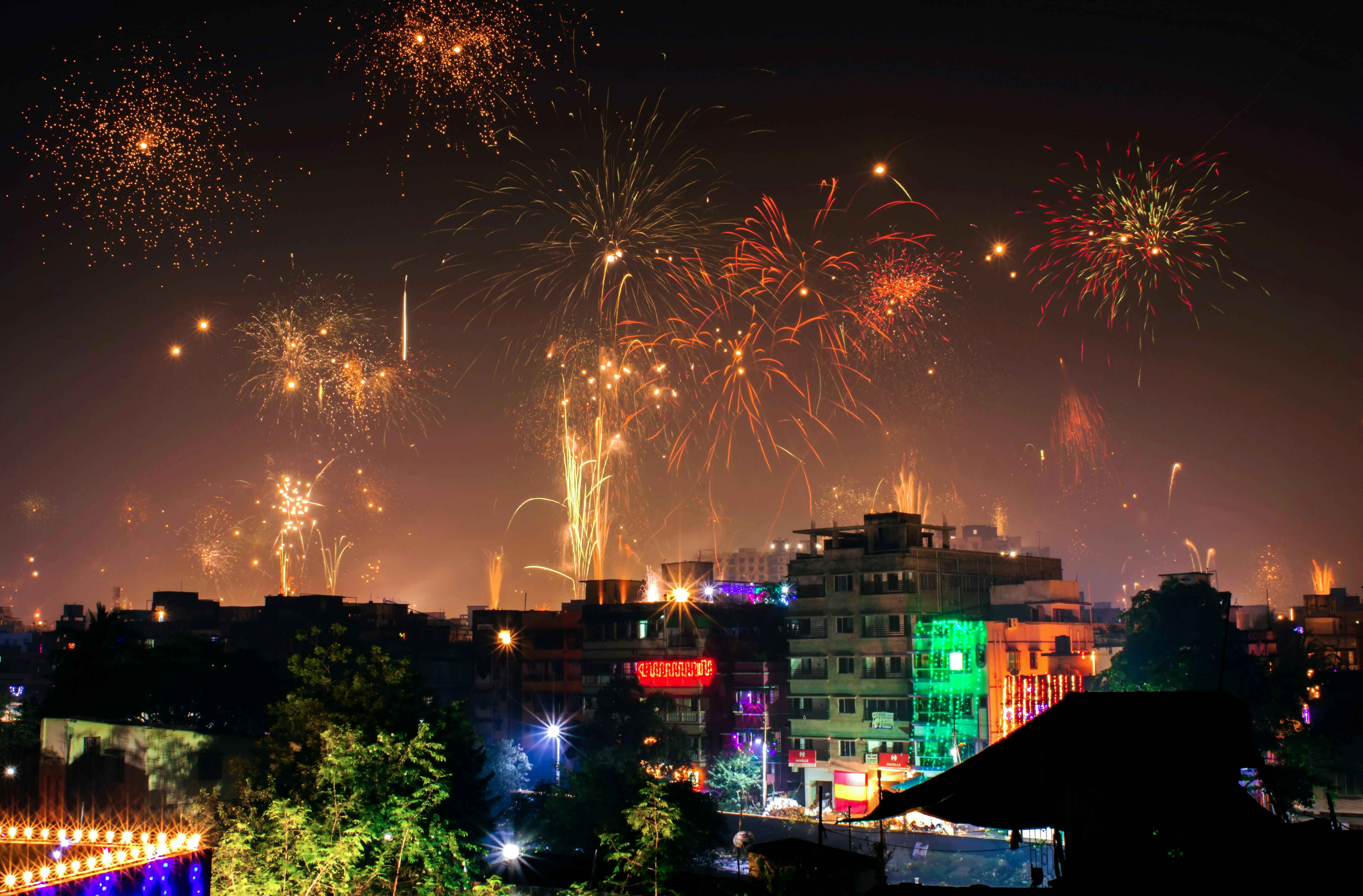

As autumn settles across America, Indian-American communities prepare for one of the most cherished celebrations of the year. Diwali promises to illuminate cities nationwide with traditional lights, vibrant festivities, and the warmth of community gatherings. From coast to coast, the Festival of Lights continues to grow in prominence, bringing together families, friends, and neighbors to celebrate the triumph of light over darkness, good over evil, and knowledge over ignorance.
This year's celebration spans both October and November, reflecting the lunar calendar that determines Diwali's date. The five-day festival creates an extended period of joy, preparation, and cultural expression that has become increasingly visible in American communities. Diwali celebrations now rival traditional American holidays in their scope and community participation, with major cities hosting elaborate public festivals and local businesses extending special offerings throughout the season.

Welcome to United Tribes
Where Indian Culture Comes Alive
Join Your Tribe
Connect with your people
Discover Events
Watch parties & festivals
Find Indian Businesses
Restaurants, markets & more
Earn Crown Credits
Get rewarded for engaging
Understanding Diwali's Cultural Significance in America
Diwali events carry deep spiritual meaning rooted in Hindu, Jain, and Sikh traditions, yet the celebration has evolved to welcome people of all backgrounds. The festival honors different deities and historical events depending on regional traditions, but universally represents renewal, prosperity, and the victory of light over darkness. In American communities, these themes resonate strongly with immigrant experiences and the pursuit of new beginnings.
The five days of Diwali each hold special significance: Dhanteras focuses on wealth and prosperity, Naraka Chaturdashi emphasizes cleansing and purification, Lakshmi Puja celebrates the goddess of wealth, Govardhan Puja honors Krishna's protection, and Bhai Dooj strengthens sibling bonds. Indian-American families often adapt these traditions to fit their American lifestyles while maintaining the essential spiritual elements.
Community centers, temples, and cultural organizations across the United States serve as focal points for education and celebration, welcoming both Indian-Americans seeking to maintain their heritage and curious neighbors eager to learn about this beautiful tradition. The celebration has become an opportunity for cultural exchange and community building that extends far beyond ethnic boundaries.
Major Cities Embracing the Festival of Lights
Cities with significant Indian-American populations transform during the Diwali season, with Indian festival lights adorning public spaces, businesses, and residential neighborhoods. New York City's celebration extends across multiple boroughs, with elaborate events in Jackson Heights, Edison, and Manhattan's Indian consulate hosting official ceremonies that draw thousands of participants.
California's Bay Area and Los Angeles regions showcase some of the nation's most spectacular Diwali celebrations. Fremont's Central Park hosts massive community festivals featuring cultural performances, authentic food vendors, and traditional craft demonstrations. Los Angeles communities organize neighborhood celebrations that spill into local parks and community centers, creating week-long festivities that welcome entire neighborhoods.
Chicago's Devon Avenue becomes a corridor of celebration, with businesses decorating storefronts and restaurants offering special Diwali menus throughout the season. The city's Naperville and Schaumburg areas host family-friendly events that combine traditional elements with American festival formats, including parade-style processions and outdoor concerts.
Texas communities, particularly in Houston and Dallas, organize large-scale celebrations that reflect the state's growing Indian-American population. These events often incorporate local flavors while maintaining traditional elements, creating unique fusion celebrations that represent the American immigrant experience.
Traditional Foods That Define the Celebration
No Diwali celebration is complete without the rich array of traditional sweets and savory dishes that define the festival. Indian-American families spend weeks preparing elaborate spreads that combine regional specialties with locally available ingredients. Indian vegetarian recipes also become central to household preparations as families create everything from delicate rasgullas to rich samosas.
Mithai (sweets) preparation becomes a community activity, with families sharing recipes, ingredients, and cooking techniques. Traditional favorites like ladoos, barfis, and jalebis are joined by innovative fusion creations that reflect American influences while maintaining authentic flavors. Local Indian grocery stores report their busiest sales periods during pre-Diwali weeks as families stock up on specialty ingredients.
Indian street food becomes particularly relevant as community events feature food vendors offering authentic street food experiences. Chaat stalls, dosa counters, and regional specialty vendors create festival atmospheres that transport visitors to Indian marketplaces while remaining firmly planted in American soil.
Community potluck traditions have emerged in many areas, where families contribute dishes representing their regional backgrounds, creating diverse culinary experiences that showcase India's vast food culture. These gatherings become opportunities for cultural education and recipe sharing between generations and different regional communities.
Decorative Traditions Lighting Up American Homes
The transformation of Indian-American homes during Diwali season creates stunning displays that have become neighborhood attractions. Creative Diwali home decor inspires families to blend traditional elements with contemporary American home aesthetics, creating unique decorative approaches that honor both cultures.
Rangoli designs appear on driveways, front porches, and entryways, often adapted to work with American architectural styles and weather conditions. Families create elaborate patterns using colored powders, flower petals, and even LED lights, turning traditional floor art into outdoor displays that welcome visitors and neighbors.
Diya (oil lamp) arrangements transform homes into beacons of light, with traditional clay lamps joined by electric alternatives that ensure safety while maintaining visual impact. Window displays, garden arrangements, and roofline decorations create cascading light effects that illuminate entire neighborhoods and introduce non-Indian neighbors to the festival's visual beauty.
String lights and LED displays have become popular adaptations, allowing families to create spectacular light shows while adhering to local fire safety regulations and homeowner association guidelines. These modern interpretations maintain the spiritual significance of light while accommodating practical American living situations.
Fashion and Cultural Expression During Festivities
Diwali fashion in American communities showcases the beautiful diversity of Indian clothing traditions while adapting to local climates and social contexts. Traditional Indian attire becomes essential reading as families prepare their festival wardrobes, combining traditional silks and jewels with practical considerations for outdoor American celebrations.
Children's fashion receives particular attention as parents seek to instill cultural pride while ensuring comfort for active participation in community events. Traditional lehengas, kurtas, and sherwanis are often modified with contemporary touches that allow young people to feel connected to their heritage while remaining comfortable in American celebration contexts.
Shopping events and fashion shows organized by community groups create opportunities for cultural expression and economic support for Indian-American designers and retailers. Local boutiques report increased business throughout the Diwali season as families invest in new clothing for various celebration events.
Community fashion shows and cultural performances provide platforms for showcasing traditional clothing while celebrating the creativity of diaspora designers who blend Indian aesthetics with American practicality.
Music, Entertainment, and Cultural Performances
Indian music and film become particularly relevant during the Diwali season when communities organize elaborate cultural programs featuring classical dance, contemporary music, and theatrical performances. These events reflect the rich diversity of Indian performing arts while incorporating American production values and venues.
Community talent shows showcase local artists, from children learning classical dance to professional musicians performing fusion compositions. These events create platforms for cultural education while celebrating the artistic achievements of Indian-American communities. Local schools and colleges often participate, creating intergenerational performances that bridge traditional and contemporary expressions.
Bollywood dance competitions and workshops have become staple features of American Diwali celebrations, offering accessible entry points for non-Indian participants while maintaining authentic cultural elements. Professional dance troupes travel between cities during Diwali season, creating circuits of cultural exchange and artistic collaboration.
Live music performances feature everything from classical ragas to contemporary fusion, reflecting the diverse musical traditions represented in American Indian communities. Local venues often host special Diwali concerts that attract both community members and curious audiences seeking cultural enrichment.
Building Community Connections Through Celebration
Diwali celebrations have become powerful tools for community building and cultural bridge-building between Indian-Americans and their neighbors. Community organizations use the festival as an opportunity to introduce Indian culture to broader American audiences while strengthening bonds within diaspora communities.
Interfaith and multicultural celebrations have emerged in many cities, where Diwali events welcome participants from all backgrounds and create opportunities for cultural exchange and understanding. These celebrations often feature educational components that explain traditions while inviting participation in universal themes of light, prosperity, and community.
Volunteer opportunities during the Diwali season create meaningful ways for community members to connect while serving others. Food distribution programs, senior citizen outreach, and youth mentoring initiatives use the festival spirit to address community needs and strengthen social bonds.
Business community participation has grown significantly, with Indian-American entrepreneurs using the Diwali season to showcase their products and services while supporting community celebrations. This economic activity strengthens local communities while maintaining cultural connections.
Celebrating Heritage in Modern America
Diwali represents more than a traditional celebration; it embodies the successful integration of cultural heritage with American community life. As Indian festival lights illuminate neighborhoods across the nation and Diwali brings together diverse communities, the festival demonstrates how cultural traditions can thrive and evolve in new environments while maintaining their essential spirit and significance.
The growing visibility and acceptance of Diwali celebrations in American communities reflect the successful efforts of Indian-Americans to share their heritage while building bridges with neighbors of all backgrounds. Through food, decoration, entertainment, and community service, the Festival of Lights continues to create meaningful connections that strengthen both cultural identity and civic participation.
Visit United Tribes today and discover more about Indian culture, community celebrations, events, and businesses that keep these beautiful traditions alive throughout the year.
Make United Tribes Your Preferred Source
Add United Tribes on Google to get the latest stories, cultural updates, and community events directly in your Google Search and Top Stories.


