
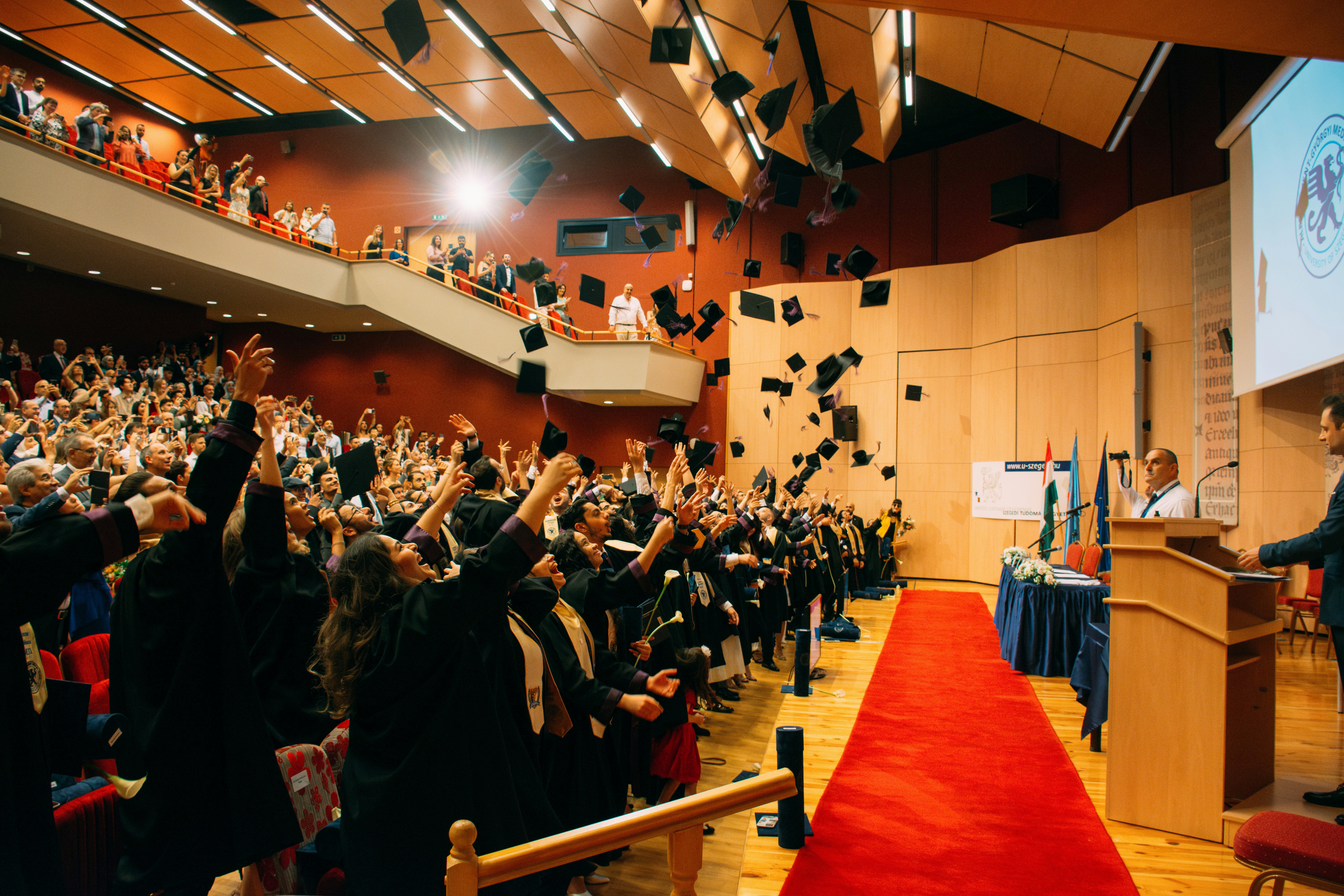

Many Filipinos see education as a key factor in their success abroad.
After all, their homeland’s education system values academic achievement, English proficiency, and a strong work ethic. Filipino immigrants have shown all three while living and working in the U.S. However, some of them face unique challenges as they navigate American academic and professional environments. Read on to learn how the Philippine education system helps Filipino immigrants succeed in our nation.
The Strengths of the Philippine Education System
Several advantages come with studying in the Philippines.

Welcome to United Tribes
Where Filipino Culture Comes Alive
Join Your Tribe
Connect with your people
Discover Events
Watch parties & festivals
Find Filipino Businesses
Restaurants, markets & more
Earn Crown Credits
Get rewarded for engaging
English Proficiency
Along with Filipino, most Philippine schools teach essential subjects in English. As a result, Filipino students gain a competitive edge when studying and working in the U.S. The global competitiveness of Filipino graduates is often linked to their impressive level of English proficiency. It helps these individuals excel in school and move up the corporate ladder in their chosen fields.
Highlighting Core Subjects
Philippine schools have always included math, science, literature, and other core subjects in their curricula. Starting from kindergarten, students develop their analytical thinking and problem-solving skills. It’s why they can meet our nation’s strict academic standards.
Learning how to analyze different concepts and tackle problems has helped Filipino-American students establish successful careers in STEM (Science, Technology, Engineering, and Mathematics)-related fields. In particular, Filipino immigrants enter the American workforce with medical, engineering, education, or business degrees. These are fields that require technical knowledge and critical thinking, both honed by Filipino education.
Cultural Values Related to Academics
Filipino culture also drives students to do well in school. They must respect their teachers, be disciplined, and acknowledge their responsibility to their families while learning. Ultimately, Filipino graduates pursue their academic and professional goals abroad with a motivated and resilient attitude.
Many Filipino-American students succeed because of the values we’ve mentioned above. However, there’s a deeper reason why they’re motivated to do so. Filipino families have made significant sacrifices to ensure that their children get the best education possible. It’s one of the most common OFW (overseas Filipino worker) life stories you’ll hear from Filipino immigrants.
The Challenges for Filipino Graduates Abroad
While the Filipino education system has its advantages, it can also make adjusting to American academics difficult for immigrant graduates.
Two Different Education Systems
Philippine and American curricula have always worked differently. Before the Philippines implemented a refined K to 12 curriculum for the 2012-2013 school year, students only completed ten years of basic education. American students typically spend twelve years learning fundamental subjects and, if they want, go to college.
This discrepancy affected how Philippine diplomas and degrees were evaluated. Because of this, some Filipino immigrants had to return to school or seek additional certifications. Even today, several employers and academic institutions may ask whether credentials earned in the Philippines or other countries are equal to those gained from American schools.
Such a situation creates more challenges for Filipino graduates abroad, including getting the necessary licenses and applying for vacant jobs.
Licensing & Accreditation Issues
Some Filipino professionals, especially those in healthcare, may also need to take board exams again or follow strict licensing procedures to practice in the U.S. These issues show that it’s tough to work and succeed outside the Philippines.
If a Filipino professional wants to work in America, they may face challenges such as:
- Getting their credentials assessed by American employers
- Collecting and submitting the necessary documents for immigration
- Meeting state-specific requirements
These problems can make Filipino immigrants work past their expected start date or cause more issues, leaving them discouraged and demotivated.
Cultural Differences
Like their education systems, the Philippines and the U.S. have two different cultures. It’s a challenge for younger Filipino immigrants and exchange students.
American classrooms encourage more interactive, student-centered learning. Meanwhile, Philippine classrooms are big on lectures and demand that students respect their teachers and other higher authorities.
Also, polite and disciplined Filipino students may hesitate to share their opinions, join debates, or oppose authority. All three are highly valued in American education.
The Filipino Education System & Professional Success
Despite academic and professional challenges, U.S.-based Filipino graduates have beaten the odds and shone in their respective fields. Let’s look at the Filipino education system’s impact on the professional success of Filipino immigrants.
Higher Education Rates
Current statistics note that Filipinos are one of the most educated immigrant groups in the U.S. According to the Migrant Policy Institute, Filipino adults recorded significantly higher education rates than Americans and among all foreign immigrants.
As of 2021, 51% of Filipino immigrants hold a bachelor’s degree or higher. 35% of American citizens and 34% of foreign immigrant adults have achieved the same level of education. Moreover, 54% of newer Filipino immigrants hold a bachelor’s degree. That’s compared to 47% of all newer foreign immigrants.
If this data tells us anything about a Filipino immigrant’s career prospects, it’s that higher education can drive their career development. And, most importantly, it shows how the Filipino education system helps students achieve academic excellence and pursue lifelong learning.
The Link Between Education & a Filipino’s Professional Success
We’ve seen many Filipino immigrants in sectors such as healthcare, education, technology, and engineering. Since they’re hardworking, adaptable, and well-educated, they fulfill demanding roles easily.
Overall, Filipino immigrants didn’t just succeed because of opportunity. It can also be attributed to their academic background, resilience, and drive to keep learning.
The Filipino Immigrants’ Contribution to the American Economy
Filipino professionals boost the American economy as well. Whenever our nation runs short of workers in certain industries, these people step up and break into those fields.
For example, Filipino nurses have become important parts of the American healthcare system. They’ve shown notable skill and worked well with colleagues and patients from different cultural backgrounds.
Furthermore, the academic success of Filipino-Americans and immigrants makes American schools and research centers more diverse and innovative. You may see young Filipinos at these institutions, spearheading initiatives for more accessible education or finding new ways to solve major problems such as health crises.
Looking Toward the Future
To address skill gaps, many Filipinos study again in the U.S. They may join bridge programs, get certified in specific skills, or pursue master’s or doctorate degrees that recognize local education credentials. In turn, these opportunities increase the chances of Filipinos grabbing more suitable jobs and add to their educational background.
Besides further education, new Filipino immigrants can also turn to local communities, mentorship programs, and Filipino-led organizations to help them adjust to American life and workplaces.
Back home, the Philippine government has introduced reforms such as outcomes-based higher education to ensure that students meet international education standards. With these changes in effect, Filipino graduates can overcome the challenges awaiting them and compete with other professionals in the U.S.
Final Thoughts
Studying and working in the U.S. may be difficult for Filipino immigrants, but their homeland has prepared them for this challenge.
Despite its shortcomings, the Philippine education system has given many students valuable skills and experiences to take with them wherever they go. So, Filipino classrooms have helped Filipino immigrants succeed in the U.S.
For more on Filipino culture, visit the United Tribes blog or our Philippine community page today.


