
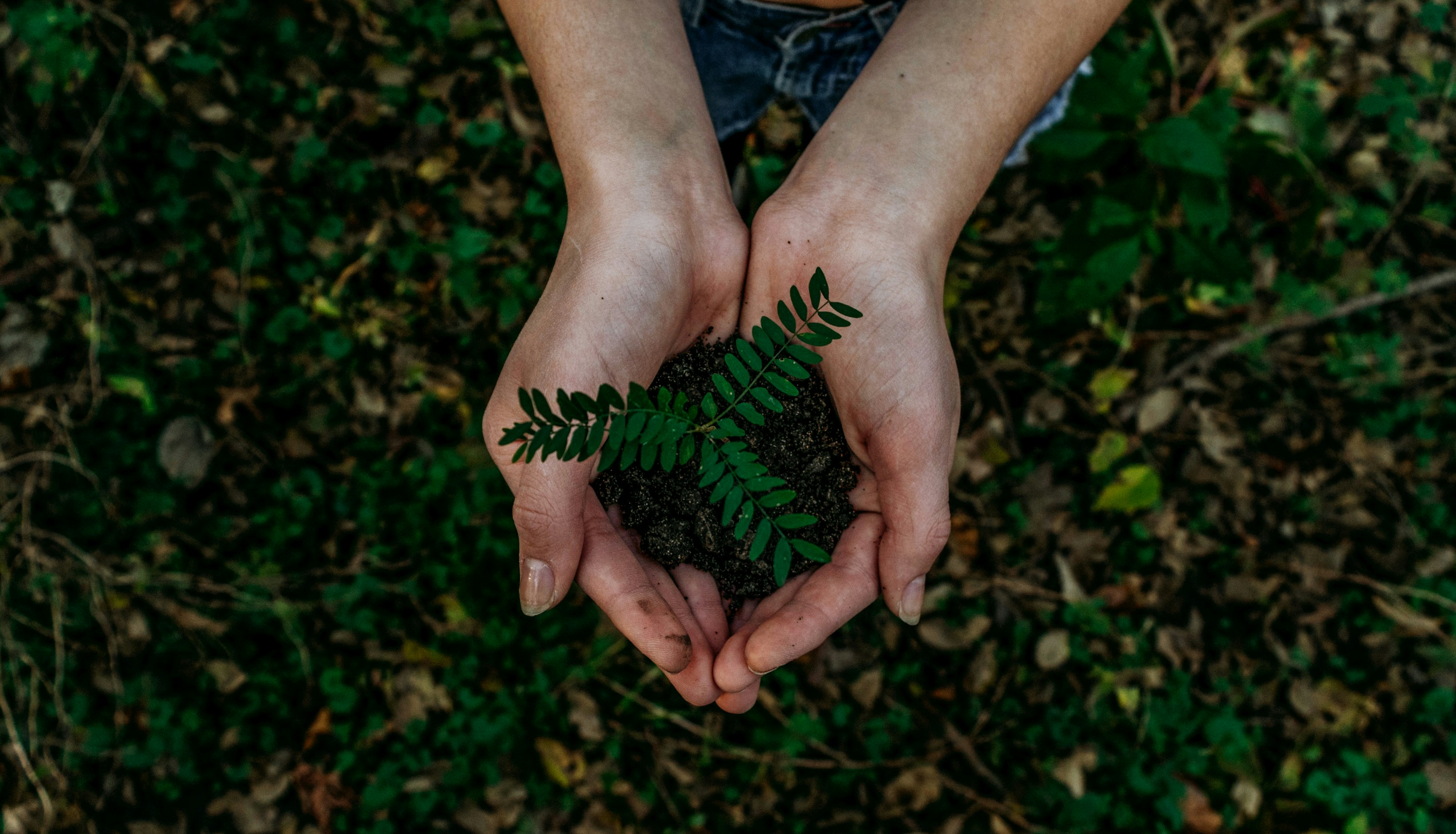


As April 2026 approaches, American communities across the nation are preparing for another meaningful Earth Day celebration that has become deeply woven into the fabric of civic culture. From bustling metropolitan areas to small rural towns, Earth Day 2026 promises to showcase the enduring commitment Americans have toward environmental stewardship through local action and time-honored traditions. The annual observance on April 22nd has evolved far beyond its 1970 origins, transforming into a cornerstone of community engagement that brings neighbors together in common purpose.
The Foundation of Community Environmental Action
American communities have developed distinctive approaches to Earth Day celebrations that reflect local values, geographic considerations, and cultural priorities. These community sustainability traditions have become integral parts of civic calendars, with many cities and towns dedicating entire months to environmental awareness and action.
Municipal governments, educational institutions, and neighborhood organizations collaborate year-round to plan comprehensive Earth Day programming that extends far beyond a single day of activities. This collaborative approach has created a network of environmental stewardship that strengthens community bonds while addressing pressing ecological concerns.
The success of these initiatives lies in their ability to make global environmental challenges feel manageable and actionable at the local level.
Park Cleanups: America's Grassroots Environmental Movement
Park cleanups represent perhaps the most visible and participatory aspect of Earth Day activities across American communities. These events typically begin early on weekend mornings in April, with volunteers gathering at designated meeting points armed with gloves, trash bags, and a shared commitment to improving their local green spaces.
Urban Park Initiatives in major metropolitan areas often coordinate simultaneous cleanups across multiple locations, creating a city-wide movement that can involve thousands of participants in a single day. Cities like Chicago, Denver, and Atlanta have developed sophisticated logistics systems that assign volunteers to specific tasks, from removing invasive plant species to repairing walking trails and installing new native vegetation.
Suburban Community Efforts tend to focus on smaller, more intimate settings where neighbors can work alongside families they know personally. These cleanups often evolve into informal community-building sessions where residents discuss ongoing neighborhood concerns while working together toward common environmental goals.
Rural Area Participation frequently emphasizes large-scale land restoration projects, including stream bank stabilization, fence-line cleanup in agricultural areas, and maintenance of hiking trails in state and national forests. These efforts often require coordination with local farming communities and land management agencies.
Many communities have discovered that park cleanups serve multiple purposes beyond immediate environmental improvement. They provide opportunities for new residents to meet neighbors, allow local businesses to demonstrate community commitment through sponsorship and volunteer participation, and create visible progress that encourages ongoing environmental awareness year-round.
Sustainability Fairs: Education Meets Community Engagement
April environmental events frequently center around sustainability fairs that transform public spaces into interactive learning environments where residents can explore practical approaches to environmental stewardship. These fairs have become increasingly sophisticated, featuring hands-on demonstrations, expert presentations, and vendor booths that showcase everything from renewable energy solutions to organic gardening techniques.
Educational Programming and Workshops
Sustainability fairs typically feature extensive educational programming that meets diverse community interests and skill levels. Morning sessions often focus on introductory topics like composting basics, energy-efficient home improvements, and sustainable transportation options. Afternoon programming tends to address more advanced subjects such as rainwater harvesting systems, native plant landscaping, and small-scale renewable energy installations.
Local experts, including university extension agents, master gardeners, and renewable energy professionals, provide practical demonstrations that show attendees sustainable practices in action. These presentations emphasize solutions that can be implemented immediately in typical American homes and neighborhoods.
Community Vendor Participation
Local businesses play a crucial role in the success of sustainability fairs by showcasing products and services that support environmental goals while strengthening the local economy. Farmers' market vendors introduce residents to locally grown produce, while renewable energy companies provide information on solar panel installations and energy efficiency improvements.
Community organizations use these events to recruit volunteers for ongoing environmental projects, from stream monitoring programs to community garden maintenance. The combination of commercial vendors and nonprofit organizations creates a comprehensive resource fair that addresses both immediate consumer needs and long-term community environmental goals.
Schools as Environmental Leadership Centers
American educational institutions have embraced Earth Day as an opportunity to integrate environmental education into comprehensive learning experiences that engage students, families, and broader community members. Community sustainability traditions often begin in elementary school classrooms where students develop a fundamental understanding of environmental concepts through hands-on projects and community service activities.
Student-Led Environmental Projects have become increasingly common, with middle and high school students designing and implementing campus sustainability initiatives that serve as models for broader community adoption. These projects range from school garden installations and recycling program improvements to energy audit projects that identify practical conservation opportunities.
Family Engagement Programs extend classroom learning into home environments through take-home projects that encourage families to implement sustainable practices together. Popular initiatives include family composting challenges, home energy conservation contests, and native plant garden design projects that beautify neighborhoods while supporting local ecosystems.
Community Partnership Development connects educational institutions with local businesses, government agencies, and nonprofit organizations to create comprehensive environmental education experiences. Students often participate in real-world environmental monitoring projects, contribute to community planning processes, and present research findings to local government officials.
Many school districts have developed year-round environmental education curricula that use Earth Day as a culminating celebration rather than an isolated event. This approach ensures that environmental awareness becomes integrated into students' daily learning experiences while providing opportunities for ongoing community engagement throughout the academic year.
Neighborhood-Level Environmental Initiatives
The most lasting impact of Earth Day celebrations often occurs at the neighborhood level, where residents develop ongoing relationships and shared commitments that extend far beyond single-day events. These grassroots initiatives demonstrate how community sustainability traditions evolve naturally when neighbors work together toward common environmental goals.
Residential Conservation Programs encourage neighbors to implement coordinated conservation efforts that maximize collective impact while reducing individual costs and effort. Popular initiatives include neighborhood composting cooperatives, bulk purchasing programs for rain barrels and native plants, and shared tool libraries that reduce resource consumption while strengthening community connections.
Community Garden Development has experienced tremendous growth in recent years, with many neighborhoods using Earth Day as an opportunity to launch new garden projects or expand existing ones. These gardens offer residents opportunities to grow fresh produce, learn sustainable gardening techniques, and create beautiful community spaces that enhance neighborhood appeal.
Local Pollution Monitoring engages residents in ongoing environmental stewardship through citizen science projects that track air quality, water quality, and wildlife populations in their immediate areas. Many neighborhoods have found that regular monitoring helps them identify environmental concerns early and provides valuable data to local government agencies and environmental organizations.
Looking Forward: Earth Day 2026 and Beyond
As American communities prepare for Earth Day celebrations, there's growing recognition that environmental stewardship has become permanently integrated into civic culture rather than remaining an annual observance. The traditions developed over decades of Earth Day celebrations have created infrastructure for ongoing environmental action that operates year-round.
The emphasis on local action reflects a mature understanding that global environmental challenges require coordinated efforts at every level, from individual behavior changes to international policy initiatives. American communities have discovered that they can make meaningful contributions to environmental solutions while strengthening local social connections and economic opportunities.
These enduring traditions demonstrate how environmental stewardship and community building create lasting positive change that extends far beyond single events. The combination of practical environmental action and social connection has proven particularly effective in American communities where civic engagement and environmental awareness continue to grow together.
Building Sustainable American Communities
Earth Day in American communities represents the fundamental American values of local action, civic engagement, and collaborative problem-solving. Through park cleanups, sustainability fairs, educational initiatives, and neighborhood-level projects, communities across the nation continue building lasting traditions that address environmental challenges while strengthening social connections. As these community sustainability traditions continue evolving, they provide models for environmental stewardship that other communities can adapt to their own unique circumstances and priorities.
Visit United Tribes today to learn more about American community culture and civic engagement traditions that bring neighborhoods together for positive change.


