
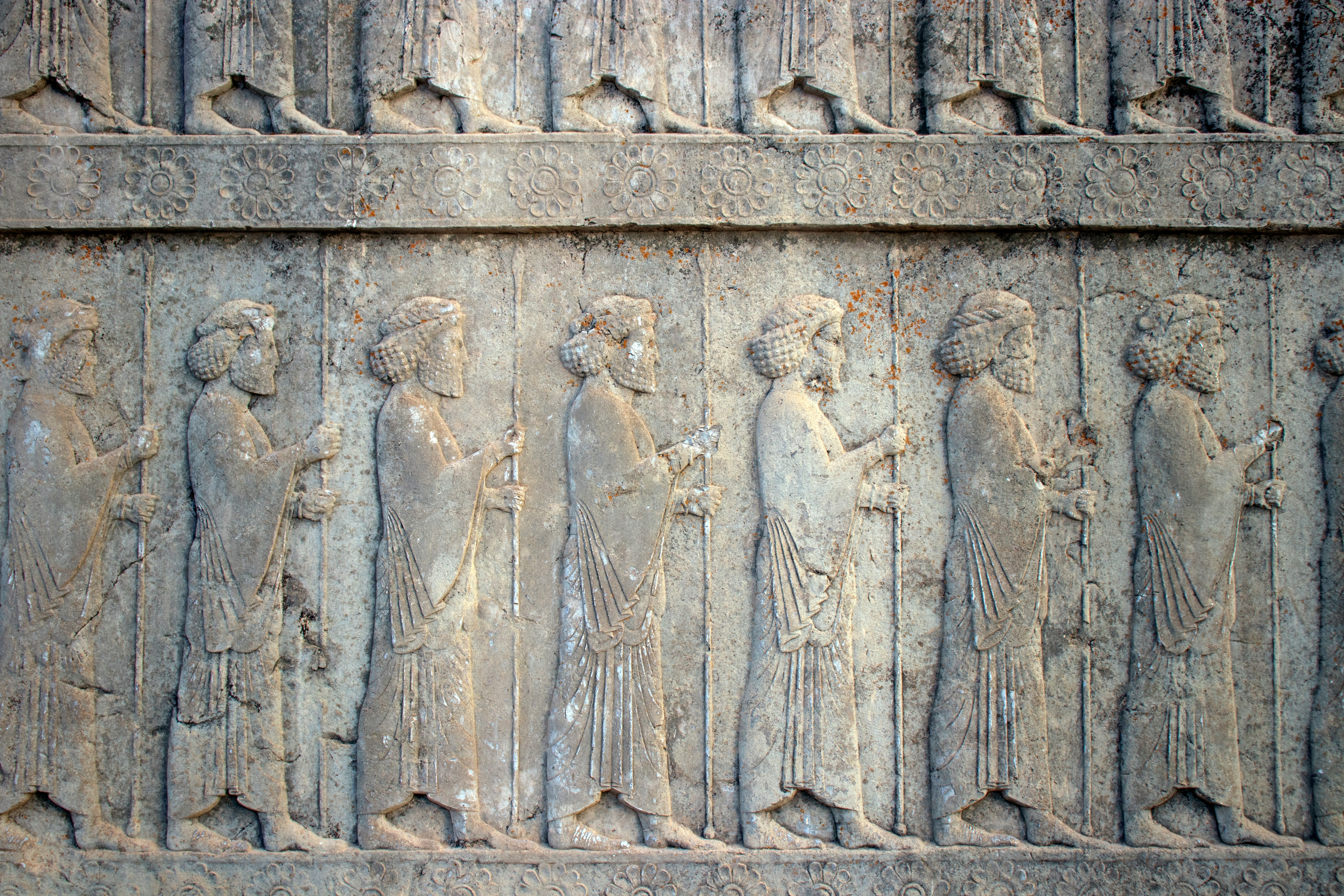

When the last ember of Nowruz celebrations fades, and the haft-sin table is packed away, a quieter but equally meaningful tradition takes hold across Iranian households. Eid Didani—literally meaning "holiday visiting"—is the Persian custom of making rounds to family, friends, and neighbors in the days and weeks following the new year. Far from a casual drop-in, this deeply rooted Iranian family custom is a choreographed act of love, respect, and cultural continuity that holds communities together across generations and, increasingly, across continents.
What Is Eid Didani and Why Does It Matter
Eid Didani is the structured practice of visiting loved ones during the thirteen days of Nowruz celebrations and beyond. Rooted in Zoroastrian principles of community and renewal, the tradition operates on an unspoken hierarchy: younger generations visit elders first. Children call on grandparents, nieces and nephews visit aunts and uncles, and newer members of a family circle pay their respects to its most senior figures before anyone else.

Welcome to United Tribes
Where Persian Culture Comes Alive
Join Your Tribe
Connect with your people
Discover Events
Watch parties & festivals
Find Persian Businesses
Restaurants, markets & more
Earn Crown Credits
Get rewarded for engaging
This order is not merely ceremonial. It reflects a deeply held belief that elders are the keepers of lineage, wisdom, and cultural memory. In the context of the Iranian diaspora in the United States, where communities are spread across cities from Los Angeles to Houston, Eid Didani becomes an act of deliberate cultural preservation. Understanding Persian hospitality etiquette through taarof helps explain why these visits carry such weight. They are governed by a social language of generosity and deference that runs far deeper than surface politeness.
The Art of Hosting: Setting the Scene
A home prepared for Eid Didani visitors is a home dressed in its finest. Hosts arrange their living spaces with care, setting out a spread that signals warmth and abundance. Nowruz hospitality demands that no guest ever feel unwelcome or underfed, and this is taken seriously from the moment someone crosses the threshold.
Traditional hosting elements include:
- Ajaeel: a mixed tray of roasted nuts, seeds, and dried fruits placed at the center of the table
- Fresh fruit: often including pomegranates, oranges, and seasonal offerings
- Tea: brewed strong and served in small glasses with sugar cubes or rock candy on the side
- Sweets: an essential and elaborate centerpiece of every visit
The sweets served during Eid al-Didani are not an afterthought. They are a statement. Families prepare or procure noghl (sugar-coated almonds), baklava, nan-e berenji (rice flour cookies), and sohan (saffron brittle) weeks in advance. Each sweet carries regional and familial identity—what a family from Isfahan serves may differ entirely from what arrives on a Shirazi table.
Sweets as Cultural Vocabulary
In Persian culture, food is never just food. The sweets shared during Eid Didani communicate hospitality, pride, and belonging. Guests who arrive bearing a box of sweets from a well-known Iranian confectionery are making a gesture that says: I respect your home, I honor this occasion, and I know our shared language.
For Iranian Americans, sourcing these sweets has become a cultural ritual in itself. Persian bakeries and grocery stores in diaspora hubs stock up for the season, and families often travel significant distances to find the authentic flavors of their home regions. Nowruz and the values it celebrates naturally extend into Eid Didani through this shared culinary language that connects people to their roots, even when thousands of miles separate them from Iran.
Visiting Etiquette: What Guests Should Know
Arriving at an Eid Didani gathering comes with its own set of expectations. The Persian visiting tradition is guided by etiquette that feels intuitive to those raised within it, but can be meaningfully learned by those new to the culture.
Key guest etiquette includes:
1. Arrive with a gift: A box of sweets, flowers, or a small token is expected and appreciated.
2. Dress respectfully: Eid Didani visits, especially to elders, call for neat, presentable attire.
3. Accept what is offered: Refusing tea or sweets outright can be read as coldness. The art of taarof allows for gentle back-and-forth before accepting.
4. Do not overstay: Reading the room matters. Visits are warm but intentionally paced so hosts can receive multiple groups.
5. Greet elders first: Upon entering, acknowledge the most senior person in the room before others.
These rituals reflect the wisdom embedded in Persian cultural roots, a philosophy that places communal harmony and intergenerational respect at the center of daily life.
Eid Didani in the Iranian Diaspora
For Persian communities outside Iran, Eid Didani has taken on even greater significance. When cultural identity is not reinforced by geography, it must be actively chosen and maintained. Families in Los Angeles, Toronto, or Dallas who commit to the Iranian family customs of structured visiting are making a conscious declaration: our heritage travels with us.
In diaspora communities, these visits often become larger gatherings, with multiple families joining in one home. The tradition adapts without losing its core—elders are still honored, sweets are still central, and the spirit of building community through shared celebration remains intact. Technology has allowed some families to conduct virtual Eid al-Didani visits across time zones. However, most agree that nothing replaces the warmth of sitting across from someone, sharing tea, and speaking of the new year ahead.
Keeping Persian Traditions Alive Together
Eid Didani is a living archive of the Persian visiting tradition, carrying within it centuries of values centered on respect, generosity, and communal belonging. Each visit made, each tray of sweets offered, and each cup of tea shared is an act of cultural continuity that strengthens the invisible threads connecting Iranian families across generations and geographies.
Visit United Tribes today to learn more about Iranian culture and community, from heritage spotlights to cultural events near you.
Make United Tribes Your Preferred Source
Add United Tribes on Google to get the latest stories, cultural updates, and community events directly in your Google Search and Top Stories.


