
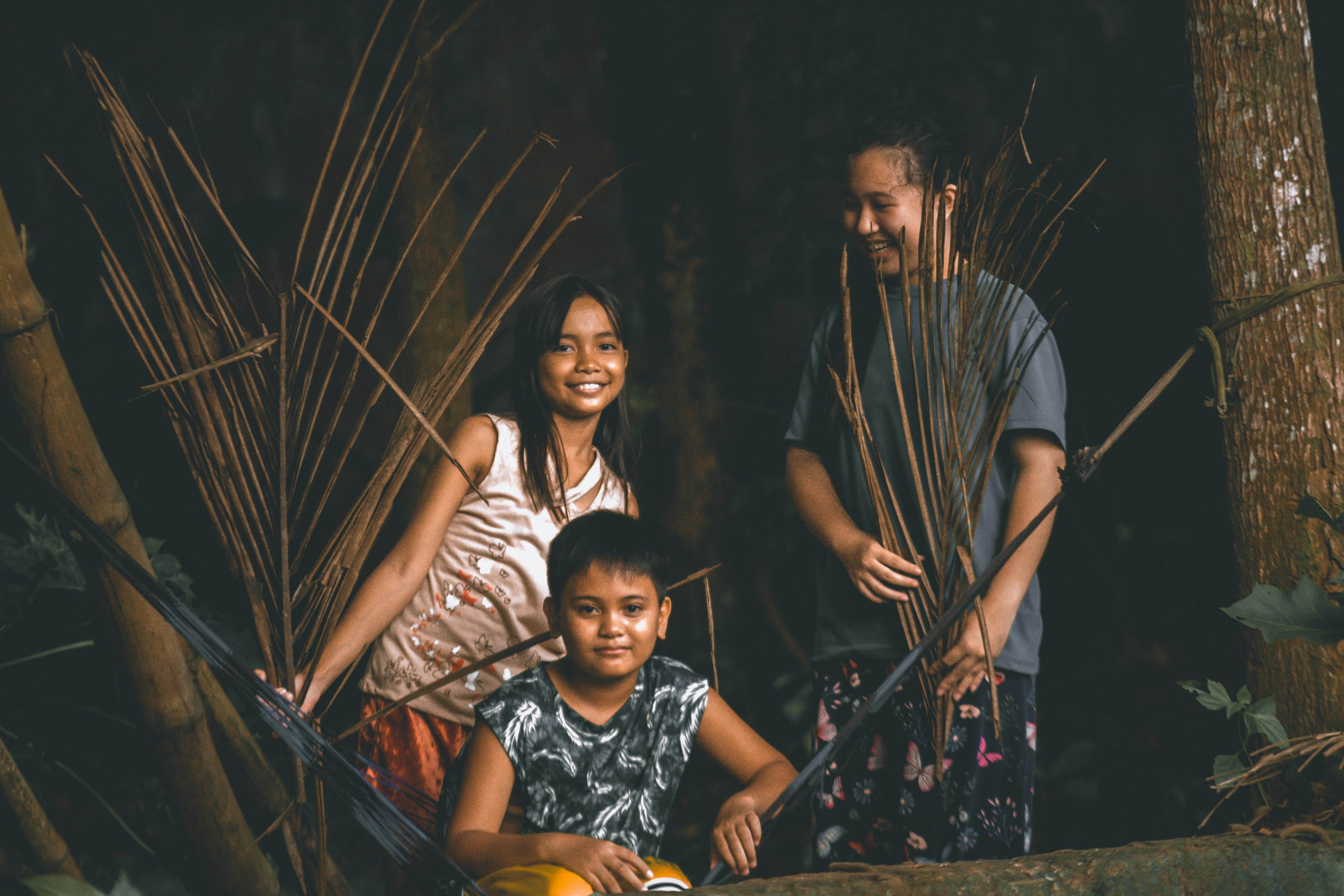

In the bustling neighborhoods of cities like Los Angeles, New York, and Chicago, where Filipino-American families have built new lives thousands of miles from the archipelago they call home, two enduring values continue to weave the fabric of community life: bayanihan and pakikisama.
These deeply rooted Filipino values and traditions serve as invisible threads that bind communities together, creating support networks that help navigate the complexities of Filipino-American identity struggles while preserving the essence of what it means to be Filipino.
Understanding Bayanihan: The Spirit of Collective Action
Bayanihan, derived from the Filipino word "bayan" meaning community or town, represents the spirit of communal unity and cooperation. Traditionally symbolized by neighbors coming together to lift and move a house to a new location, this value has evolved to encompass any form of collective action for the greater good of the community.

Welcome to United Tribes
Where Filipino Culture Comes Alive
Join Your Tribe
Connect with your people
Discover Events
Watch parties & festivals
Find Filipino Businesses
Restaurants, markets & more
Earn Crown Credits
Get rewarded for engaging
In Filipino-American communities across the United States, bayanihan manifests in countless ways. When Filipino families face financial hardship due to medical emergencies or job loss, community members organize fundraising events to pool resources and provide immediate relief. These gatherings often feature homemade Filipino comfort food, creating an atmosphere where cultural identity is celebrated even as practical needs are addressed.
Modern Examples of Bayanihan in Action
During the COVID-19 pandemic, Filipino-American communities demonstrated remarkable resilience and bayanihan as they adapted traditional values to meet contemporary challenges. In San Francisco's South of Market neighborhood, Filipino healthcare workers formed mutual aid networks, providing childcare for colleagues working double shifts and delivering groceries to elderly community members who were unable to leave their homes safely.
Similarly, in New Jersey's growing Filipino population, community leaders organized virtual salu-salo (communal meals) where families would prepare the same traditional dishes and eat together via video calls. These digital gatherings helped maintain social connections while sharing recipes that reminded participants of home, thereby reinforcing cultural bonds during isolation.
Pakikisama: The Art of Getting Along
Pakikisama, often translated as companionship or camaraderie, goes beyond mere friendship to encompass a deep sense of belonging and mutual consideration. This value emphasizes harmony within the group, sometimes requiring personal sacrifice for the collective good. In Filipino-American communities, pakikisama creates environments where individuals feel supported and understood, particularly important for those navigating the dual identities of being both Filipino and American.
Community Organizations and Pakikisama
Filipino-American community centers across the country serve as living examples of pakikisama in practice. These spaces host a range of programs, from English language classes for new immigrants to cultural workshops for second-generation Filipino-Americans seeking to reconnect with their heritage. The programming reflects the community's understanding that everyone's success contributes to the group's overall well-being.
In Houston's Alief neighborhood, home to one of the largest Filipino populations in Texas, community organizations regularly coordinate potluck gatherings where families share Filipino comfort food while discussing challenges ranging from school enrollment to small business development. These meetings exemplify how pakikisama creates safe spaces for vulnerability and mutual support.
Bridging Generations Through Shared Values
One of the most compelling aspects of how bayanihan and pakikisama thrive in Filipino-American communities is their role in addressing the struggles of Filipino-American identity, particularly among younger generations. Second and third-generation Filipino-Americans often find themselves caught between their parents' desire to preserve traditional culture and their own need to assimilate into American society.
Community elders, recognizing this challenge, have adapted traditional practices to remain relevant for younger generations. In California's Bay Area, Filipino-American youth groups organize community service projects that combine American volunteer traditions with Filipino values. Students might spend weekends cleaning local parks while learning about environmental stewardship through the lens of kapamilihan (family-oriented thinking) and bayanihan.
Cultural Celebrations as Community Builders
The preservation and adaptation of Filipino celebrations in America demonstrate how traditional values create contemporary community bonds. Barrio fiestas held in American cities retain their essential character while incorporating elements that reflect the Filipino-American experience. These events require extensive bayanihan to organize and showcase pakikisama as families with different regional backgrounds in the Philippines unite under their shared American experience.
During these celebrations, the preparation and sharing of traditional foods become a profound expression of community values. The communal cooking of dishes like lechon, pancit, and lumpia requires coordination and cooperation that naturally embodies the bayanihan spirit. Meanwhile, the willingness of families to share recipes, cooking responsibilities, and cleanup duties reflects the spirit of pakikisama.
Economic Solidarity and Mutual Support
Filipino-American communities have also adapted these traditional values to address economic challenges and opportunities. In cities with significant Filipino populations, informal lending circles called paluwagan operate based on principles of trust and mutual obligation, rooted in the concept of pakikisama.
These rotating credit associations enable families to access larger sums of money for major purchases or emergencies, while fostering community bonds through financial interdependence.
Small business networks among Filipino-Americans frequently operate on similar principles. Restaurant owners might source ingredients collectively to reduce costs, while professionals in various fields create referral networks that prioritize community members. This economic bayanihan helps individual families prosper while strengthening the community's overall economic position.
Food as Cultural Preservation and Community Building
The role of Filipino comfort food in maintaining cultural connections cannot be overstated in discussions of community values and cultural heritage. Shared meals serve as informal venues for practicing pakikisama, where conversation flows as freely as the rice and ulam being shared. These gatherings provide opportunities for older community members to share their stories and wisdom, while younger generations ask questions about family history and cultural practices.
Community kitchens in Filipino cultural centers often operate as spaces where both values converge. Volunteers work together (bayanihan) to prepare large quantities of food for community events, while the relaxed atmosphere promotes the easy camaraderie (pakikisama) that strengthens relationships across family lines.
Digital Communities and Virtual Bayanihan
The digital age has created new platforms for expressing traditional Filipino values. Facebook groups for specific Filipino-American communities serve as virtual town squares where members practice bayanihan by sharing job opportunities, housing leads, and recommendations for Filipino-owned businesses. These online spaces also demonstrate pakikisama as members celebrate each other's achievements and offer emotional support during difficult times.
During natural disasters affecting the Philippines, Filipino-American communities mobilize through social media and community networks to coordinate relief efforts. These campaigns demonstrate how traditional values are adapted to contemporary tools, enabling diaspora communities to extend their bayanihan spirit across oceans.
Challenges and Adaptations
While bayanihan and pakikisama remain strong in Filipino-American communities, they face challenges from increasing geographic dispersion and generational changes in communication styles. Younger Filipino-Americans might express these values differently than their parents, preferring organized volunteer activities over informal neighborhood assistance or choosing professional networking over traditional pakikisama relationships.
Community leaders have responded by creating structured programs that channel traditional values through contemporary formats. Mentorship programs pair successful Filipino-American professionals with recent graduates, while cultural immersion camps help young people understand how traditional values apply to modern American life.
The Future of Filipino Values in American Communities
As Filipino-American communities continue to grow and evolve, the fundamental principles of bayanihan and pakikisama remain constant even as their expressions change. These values provide stability and identity in a multicultural society, while offering valuable perspectives on community building that benefit not only Filipino-Americans but also their broader neighborhoods.
The success of these communities in maintaining their cultural values while fully participating in American society demonstrates the compatibility of Filipino traditions with American ideals of community service and mutual support.
As younger generations take leadership roles, they bring fresh perspectives on how ancient values can address contemporary challenges, ensuring that bayanihan and pakikisama continue to thrive in Filipino-American communities for generations to come.
Make United Tribes Your Preferred Source
Add United Tribes on Google to get the latest stories, cultural updates, and community events directly in your Google Search and Top Stories.


