

The United States is one of the world's most culturally diverse nations, with U.S. regional cultures blending to create a rich tapestry of traditions, languages, and customs. From the vibrant Latino communities of the Southwest to the thriving Asian enclaves of the West Coast, each region contributes its unique flavor to the broader American identity. These cultural hotspots serve as living museums of heritage, where generations of immigrants and their descendants have built communities that honor their ancestral roots while embracing their American future.
Understanding regional diversity goes beyond mere geography—it reveals how different cultural groups have shaped entire metropolitan areas, influenced local economies, and created distinct neighborhood identities that reflect their heritage. These communities represent the beating heart of multicultural America, where traditional festivals, authentic cuisine, and cultural practices continue to thrive alongside modern American life.

Welcome to United Tribes
Where American Culture Comes Alive
Join Your Tribe
Connect with your people
Discover Events
Watch parties & festivals
Find American Businesses
Restaurants, markets & more
Earn Crown Credits
Get rewarded for engaging
The Southwest: A Latino Cultural Renaissance
The southwestern United States is a prime example of how Latino heritage has fundamentally shaped regional character. Cities such as Los Angeles, San Antonio, Phoenix, and Albuquerque demonstrate how Mexican, Central American, and South American communities have created thriving cultural hubs that influence everything from architecture to culinary traditions.
In Los Angeles alone, neighborhoods like East LA, Boyle Heights, and Pico-Union demonstrate how Latino heritage traditions continue to evolve while maintaining their essential character. These areas feature everything from traditional mercados selling fresh produce and handmade tortillas to modern fusion restaurants blending Mexican techniques with contemporary American flavors.
Culinary Influence and Economic Impact
The economic impact of Latino communities extends far beyond restaurants and grocery stores. Food entrepreneurs have built multimillion-dollar businesses from family recipes, creating employment opportunities and attracting tourism.
Cultural festivals throughout the Southwest celebrate a range of traditions, from Día de Muertos to Cinco de Mayo, attracting millions of visitors annually and generating significant revenue for local communities. These events serve dual purposes: preserving cultural traditions for future generations while educating broader American audiences about Latino heritage.
The West Coast: Asian American Innovation Centers
California's Bay Area, Los Angeles, and Seattle are among the most dynamic Asian American cultural hubs in the United States. These regions demonstrate how Chinese, Japanese, Korean, Vietnamese, Filipino, and Indian communities have created distinct neighborhoods that serve as cultural and economic engines for their respective metropolitan areas.
San Francisco's Chinatown, established in the 1840s, is among the oldest and most influential Asian American communities in the United States. Today, it operates alongside newer communities in the Richmond District, Sunset District, and across the bay in Oakland and Fremont. These areas showcase how different generations of Asian immigrants have adapted to American life while maintaining strong connections to their ancestral cultures.
Technology and Cultural Preservation
The presence of major technology companies has created unique opportunities for Asian American professionals to blend their cultural heritage with innovation. Filipino American communities in the Bay Area have developed particularly strong networks that support both traditional cultural events and modern professional development.
The Northeast: Historic Immigration Gateways
New York, Boston, Philadelphia, and other northeastern cities represent America's traditional immigration gateways, where waves of different cultural groups have created layered communities that reflect centuries of cultural mixing and preservation. These cultural hotspots demonstrate how U.S. regional cultures have evolved through successive generations of immigrants who built upon existing foundations while adding their own traditions.
Little Italy neighborhoods in New York and Boston showcase how Italian American communities established cultural institutions that continue to influence American food culture, family traditions, and neighborhood development patterns. Similarly, Irish American communities in Boston and Jewish communities throughout the Northeast have created cultural institutions that serve both their own populations and broader American society.
Cultural Institution Building
The Northeast's concentration of museums, cultural centers, and educational institutions has allowed various ethnic communities to establish permanent repositories for their cultural heritage. Community organizations regularly host festivals, language classes, and cultural education programs that serve multiple generations within families.
Food halls and ethnic grocery stores throughout the region demonstrate how traditional ingredients and cooking methods adapt to American markets while maintaining authenticity. These businesses serve as informal community centers where cultural knowledge is shared across generations and cultural boundaries blur through shared culinary experiences.
The South: Emerging Multicultural Centers
While the American South is traditionally associated with African American culture and European settler heritage, cities such as Atlanta, Houston, Miami, and Charlotte have emerged as significant cultural hubs for diverse immigrant communities. These metropolitan areas demonstrate how American identity continues to evolve as new populations establish roots in regions previously dominated by different cultural groups.
Atlanta has become a major center for African immigrant communities, particularly from Nigeria, Ghana, and Ethiopia. These communities have established businesses, cultural centers, and religious institutions that serve growing populations while contributing to the broader metropolitan economy.
Houston represents one of America's most diverse cities, where Latino, Asian, African, and Middle Eastern communities have created vibrant neighborhoods that reflect global migration patterns. The city's energy industry has attracted professionals from around the world, creating cosmopolitan communities that blend international perspectives with Texas traditions.
Festival Culture and Community Building
Southern cities have embraced festival culture to celebrate diversity and build economic opportunities. Cultural festivals throughout the region attract visitors from across the country, generating tourism revenue while providing platforms for cultural education and community building.
Miami's position as a gateway to Latin America has created unique cultural dynamics where Brazilian Carnival traditions blend with Caribbean influences and North American business practices. This cultural mixing creates opportunities for innovation across music and entertainment, fashion, and culinary arts.
The Midwest: Unexpected Cultural Diversity
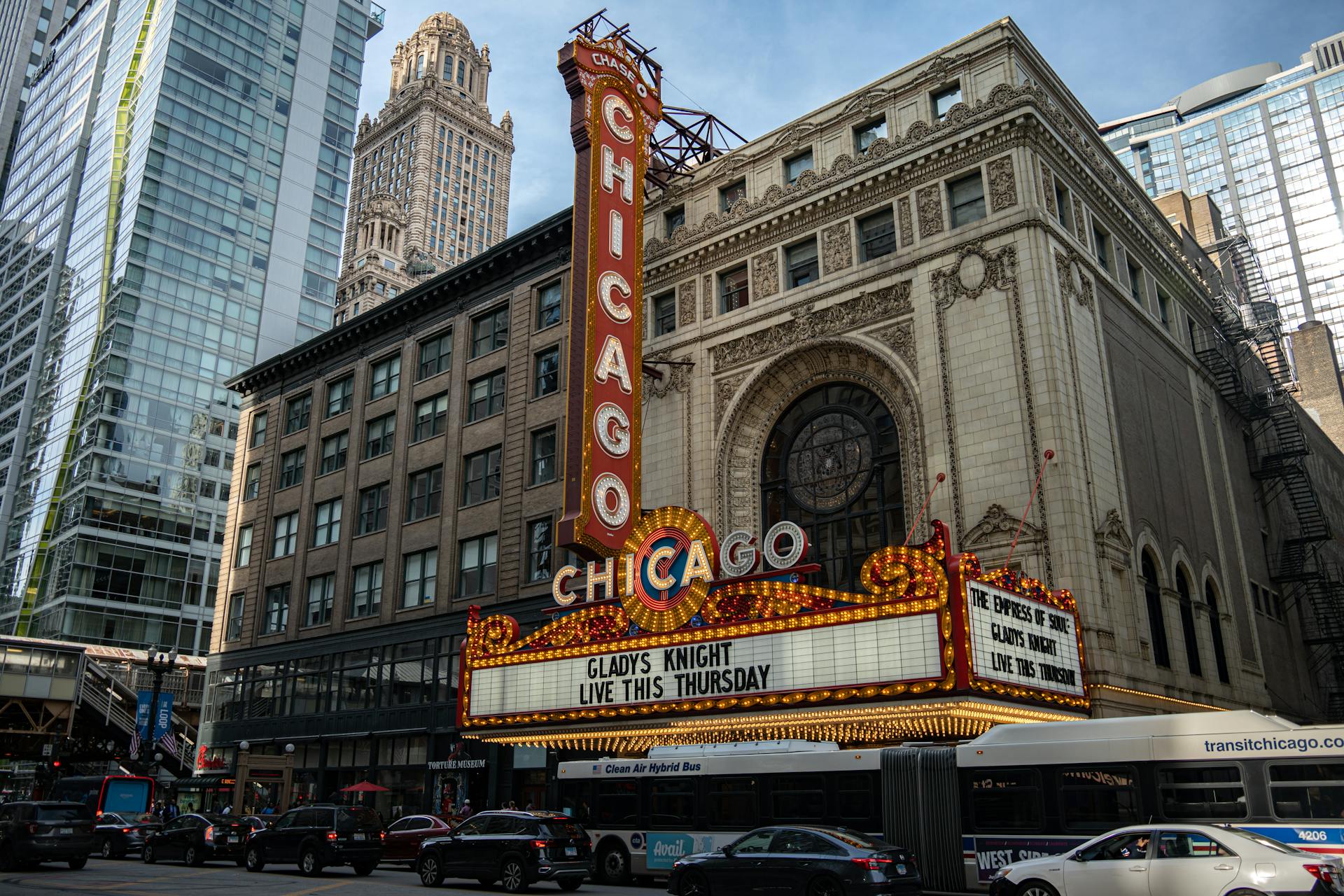
Cities such as Chicago, Detroit, Minneapolis, and Columbus have developed surprising cultural diversity that challenges stereotypes of Midwestern homogeneity. These cultural hotspots demonstrate how economic opportunities and established communities attract new immigrant populations to regions not traditionally associated with international immigration.
Chicago's position as a transportation hub has made it attractive to diverse communities seeking economic opportunities and lower housing costs than coastal cities. The city's neighborhoods reflect this diversity, with established Mexican American communities in Pilsen alongside newer arrivals from Eastern Europe, Southeast Asia, and sub-Saharan Africa.
Detroit's economic transformation has attracted young professionals from diverse backgrounds who are building new cultural institutions while revitalizing existing neighborhoods. This demographic shift creates opportunities for cultural innovation through collaboration among diverse groups on community development projects.
Regional Identity and National Character
The diversity found across these cultural hotspots demonstrates how U.S. regional cultures contribute to a broader American identity that continues to evolve. Rather than creating division, this regional diversity has historically strengthened American society by providing multiple models for success, innovation, and community building.
Economic research consistently shows that diverse communities tend to be more innovative and economically resilient than homogeneous ones. This pattern appears across regions and economic sectors, suggesting that cultural diversity confers a strategic advantage on American communities competing in global markets.
Cultural exchange between different regional communities has accelerated through digital platforms, travel, and professional mobility. This increased interaction creates opportunities for cross-cultural learning and collaboration, strengthening both local communities and national institutions.
Celebrating America's Cultural Mosaic
The cultural hotspots scattered across America's diverse regions demonstrate how immigrant communities have enriched the nation's character while building prosperous local economies. From the Latino renaissance in the Southwest to the Asian innovation centers on the West Coast, these communities demonstrate that cultural preservation and American success are complementary, not competing, goals.
As these communities continue to evolve and adapt, they serve as living examples of how diversity drives innovation, resilience, and prosperity. The festivals, businesses, and cultural institutions they create benefit not only their members but also entire metropolitan areas, which gain competitive advantages through cultural diversity and global connections.
Visit United Tribes today to learn more about the rich cultural communities and heritage traditions that make America's regional diversity a source of national strength.
Make United Tribes Your Preferred Source
Add United Tribes on Google to get the latest stories, cultural updates, and community events directly in your Google Search and Top Stories.