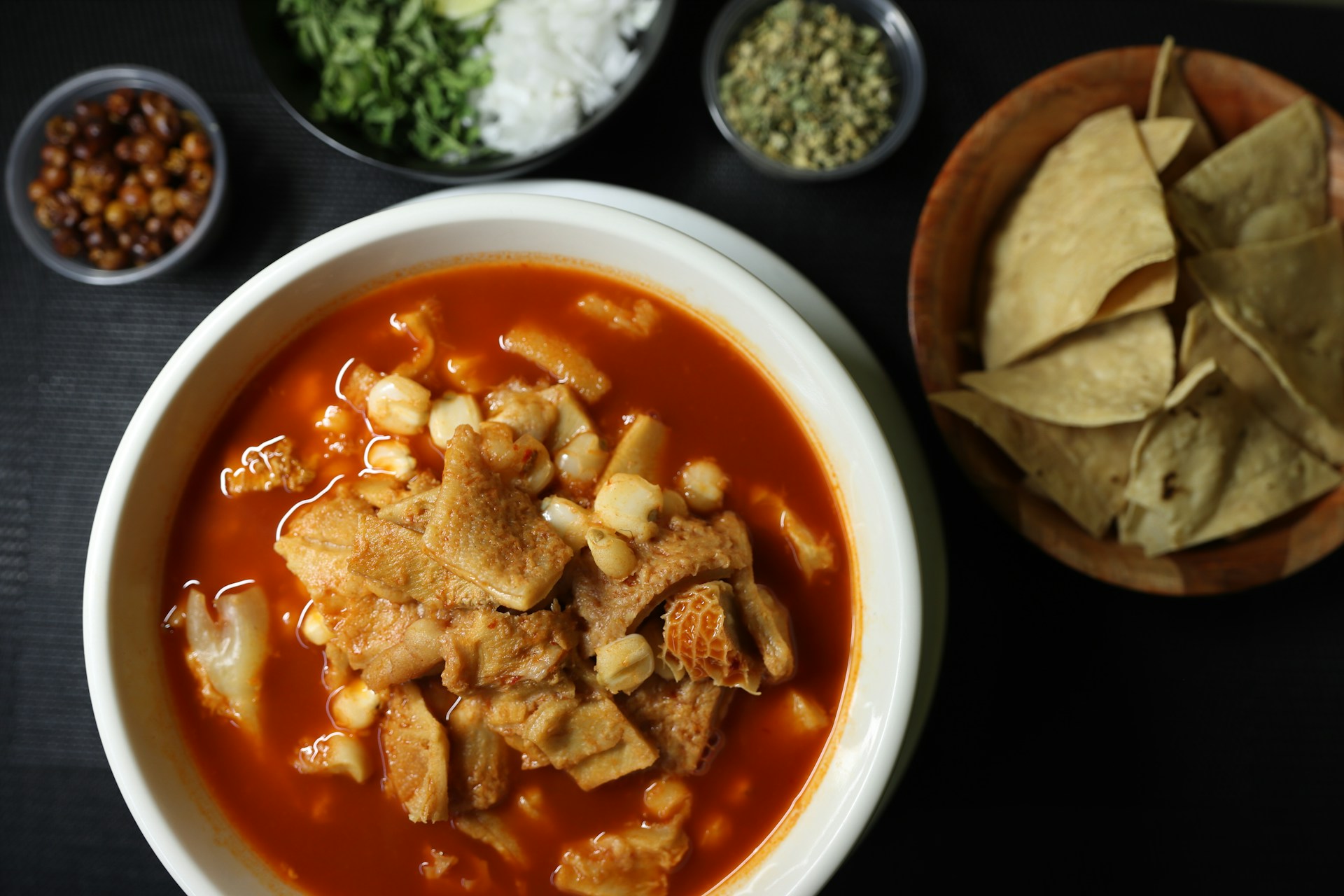

Every weekend morning across the United States, the rich aroma of simmering menudo soup fills Mexican-American kitchens, creating an invisible bridge between generations and continents. This beloved traditional Mexican comfort food serves as a cultural lifeline that connects families to their roots, preserves ancestral traditions, and strengthens community bonds in the diaspora.
For Mexican-Americans, menudo represents the ultimate expression of home, carrying within its complex flavors the stories of grandmothers, the warmth of family gatherings, and the unbreakable ties to Mexican heritage. From Los Angeles to Chicago, from Houston to Phoenix, this iconic soup continues to unite families and communities, proving that some traditions transcend borders.

Welcome to United Tribes
Where Mexican Culture Comes Alive
Join Your Tribe
Connect with your people
Discover Events
Watch parties & festivals
Find Mexican Businesses
Restaurants, markets & more
Earn Crown Credits
Get rewarded for engaging
The Rich History Behind Mexico's Most Beloved Soup
Menudo's origins trace back centuries to pre-Columbian Mexico, where indigenous communities utilized every part of the animal to create nourishing meals. The Spanish colonization introduced beef cattle, transforming the dish into the version we know today. Born out of necessity and resourcefulness, menudo became a symbol of Mexican ingenuity and cultural resilience.
The soup's historical significance extends beyond mere sustenance. In Mexico, menudo traditionally served as a communal dish prepared for special occasions, celebrations, and weekend family gatherings. The labor-intensive preparation process requires hours of cleaning, boiling, and seasoning. This process naturally became a collaborative family effort that strengthened social bonds and passed down culinary knowledge through generations.
As Mexican families migrated to the United States throughout the 20th century, they carried this treasured recipe with them, adapting it to new ingredients and circumstances while maintaining its essential cultural meaning. Today, menudo soup preparations often blend traditional techniques with locally available ingredients, creating unique regional variations that reflect the Mexican-American experience.
Regional Variations Across Mexico and the United States
Northern Mexican menudo typically features a clear, red-chile broth with large pieces of beef stomach lining, hominy, and a generous sprinkling of oregano. This style, popular in states like Sonora and Chihuahua, emphasizes the natural flavors of the tripe and relies on dried red chiles for its characteristic color and heat.
Central Mexican variations often incorporate different chile combinations, creating more complex flavor profiles. In regions like Jalisco and Michoacán, cooks might add guajillo, ancho, or chipotle chiles, resulting in deeper, smokier broths that pair beautifully with fresh lime and chopped onions.
In the United States, Mexican-American families have created their own adaptations based on available ingredients and regional preferences. California-style menudo often features a brighter, more tomato-forward broth. At the same time, Texas variations might incorporate local spices and techniques borrowed from Tex-Mex cuisine, similar to how tamales have evolved beyond Christmas celebrations to accommodate year-round cultural expressions.
Southwestern United States preparations frequently showcase influences from multiple Mexican regions, as families from different states settled in the same communities and shared their distinct recipes, creating beautiful fusion versions that represent the melting pot of Mexican-American culture.
The Sacred Ritual of Weekend Menudo Preparation
For Mexican-American families, Saturday morning menudo preparation represents one of the most sacred domestic rituals. The process begins before dawn, with family matriarchs carefully cleaning and preparing the tripe, a meticulous task that requires patience, skill, and generations of inherited knowledge.
The communal cooking experience brings multiple generations together in the kitchen, where grandmothers guide daughters and granddaughters through each step of the process. Young family members learn not just cooking techniques, but also family stories, cultural values, and the importance of preserving traditional Mexican recipes for future generations.
This weekend tradition serves multiple cultural functions beyond meal preparation. It provides dedicated family time in increasingly busy modern lives, maintains linguistic connections as conversations flow between English and Spanish, and reinforces cultural identity through sensory memories of taste, smell, and ritual.
Many families describe the menudo-making process as meditative and therapeutic, offering a welcomed break from weekday pressures while connecting them to ancestral wisdom. The slow, methodical preparation mirrors traditional Mexican approaches to time and family, emphasizing patience, care, and communal effort over speed and convenience.
Restaurants Keeping the Tradition Alive
Across the United States, Mexican restaurants specializing in menudo serve as cultural ambassadors, introducing the dish to new audiences while providing comfort food for community members who miss home. These establishments often become unofficial community centers where Mexican-Americans gather to share meals, stories, and cultural experiences.
Los Angeles menudo specialists, such as family-owned establishments in East LA, have been serving authentic versions for decades, often using recipes passed down through multiple generations. These restaurants frequently source ingredients from specialized suppliers who understand the importance of quality tripe and authentic Mexican chiles.
Chicago's Mexican restaurant scene features numerous establishments that serve weekend menudo specials, drawing families from across the metropolitan area. Many of these restaurants prepare their broth using traditional methods, slow-cooking ingredients for 12-24 hours to achieve the perfect consistency and flavor depth.
In Houston and San Antonio, menudo restaurants often reflect the strong Tex-Mex influence while maintaining authentic Mexican preparation methods. These establishments frequently host weekend menudo competitions and cultural events that celebrate Mexican heritage, similar to how communities celebrate the rich variety of Mexico's signature sauces at cultural festivals.
Phoenix and Tucson restaurants specializing in traditional Mexican comfort food often feature menudo as their signature weekend dish, attracting loyal customers who appreciate authentic preparation methods and genuine cultural atmosphere.
Home Cooks Preserving Cultural Heritage
Modern Mexican-American home cooks continue adapting menudo recipes for contemporary kitchens while preserving essential cultural elements. Many families invest in pressure cookers and slow cookers to accommodate busy schedules, reducing preparation time while maintaining traditional flavors and textures.
Second and third-generation Mexican-Americans often modify recipes to suit changing dietary preferences and health considerations, creating lighter versions that still capture the emotional and cultural significance of the original dish. Some families experiment with alternative proteins or reduce sodium content while keeping the essential spice blends and preparation rituals intact.
Social media platforms have become valuable resources for sharing family recipes, cooking tips, and cultural stories related to menudo preparation. Mexican-American food bloggers and home cooks document their cooking processes, creating digital archives of traditional knowledge that ensure traditional Mexican recipes remain accessible to future generations.
Many families organize monthly menudo cooking sessions with extended family and friends, transforming individual household traditions into larger community celebrations that strengthen cultural bonds and create new memories while honoring ancestral practices.
A Bowl Full of Heritage
Menudo is the food of resilience, creativity, and cultural pride of Mexican-American communities across the United States. Through its complex preparation rituals, regional variations, and deep emotional significance, this traditional soup continues to connect families to their heritage while adapting to modern American life. Whether prepared in restaurant kitchens or family homes, menudo serves as a delicious reminder that cultural traditions can thrive and evolve while maintaining their essential meaning and community-building power.
The enduring popularity of menudo demonstrates the importance of preserving culinary traditions that nourish both body and soul. As Mexican-American families continue sharing this beloved dish with new generations, they ensure that the flavors, stories, and cultural values embedded in every bowl will continue bridging past and present for years to come. Visit United Tribes today and find out more about Mexican culture and community traditions that celebrate heritage through food and family connections.
Make United Tribes Your Preferred Source
Add United Tribes on Google to get the latest stories, cultural updates, and community events directly in your Google Search and Top Stories.