
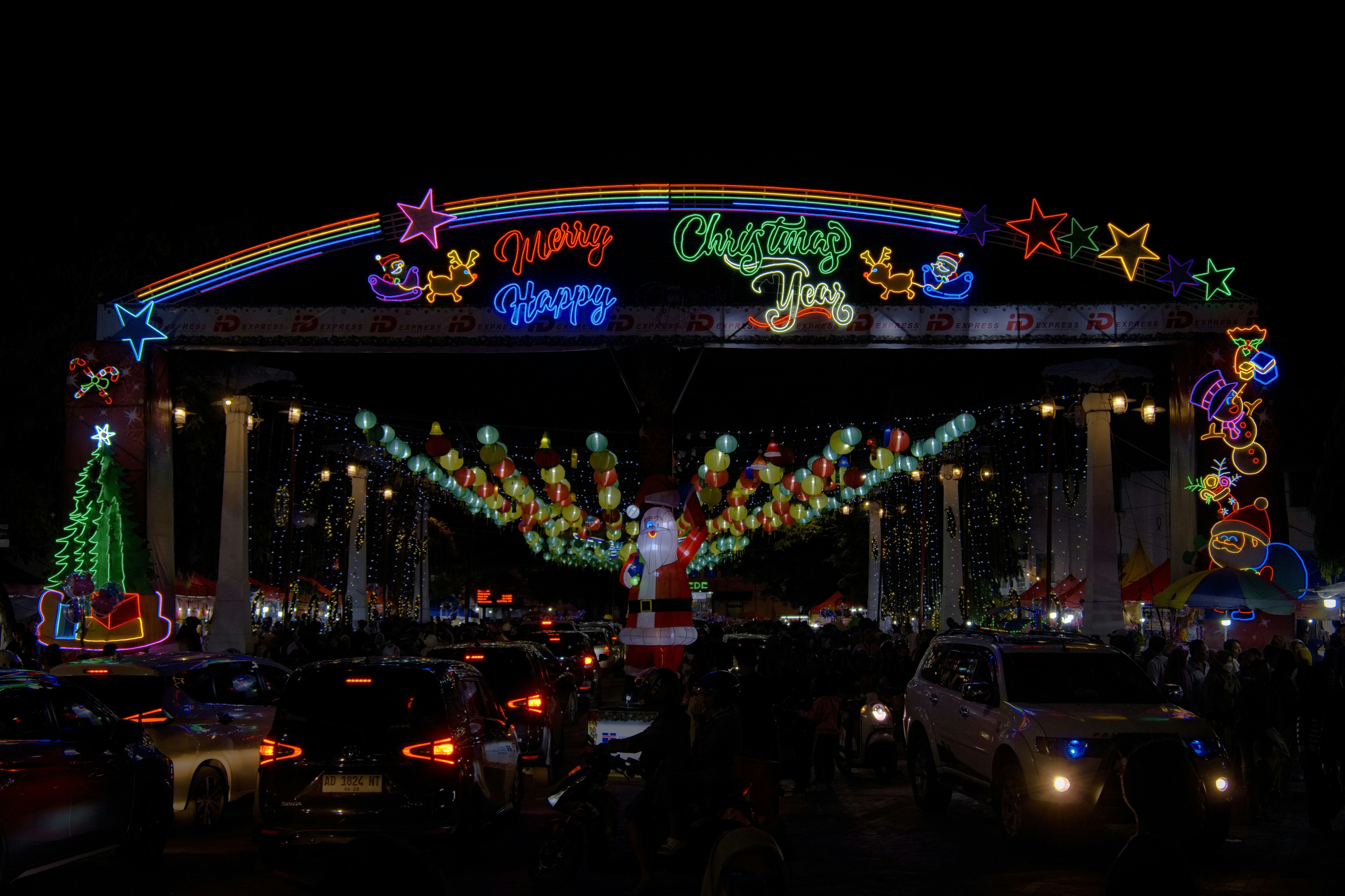

As December arrives, Filipino-American homes across the United States transform into radiant displays of faith, joy, and cultural pride. The warm glow of parol lights illuminates porches, windows, and living rooms, creating a unique blend of traditional Filipino Christmas decorations with American holiday spirit. These luminous symbols represent the enduring connection between Filipino-Americans and their homeland, bridging generations through the shared language of light and celebration.
Filipino Christmas decorations have found their place in the diverse tapestry of American holiday traditions, bringing distinctive elements that reflect the Philippines' rich cultural heritage. From intricate star-shaped lanterns to vibrant displays of lights that rival any suburban neighborhood, Filipino families in the U.S. have mastered the art of creating Christmas magic that honors both their ancestral roots and their American home.

Welcome to United Tribes
Where Filipino Culture Comes Alive
Join Your Tribe
Connect with your people
Discover Events
Watch parties & festivals
Find Filipino Businesses
Restaurants, markets & more
Earn Crown Credits
Get rewarded for engaging
The Sacred Symbolism of Parol in Filipino Homes
The parol, a traditional Filipino star-shaped lantern, serves as the centerpiece of Filipino holiday culture in American communities. This iconic decoration traces its origins to the Spanish colonial period in the Philippines, where it originally represented the Star of Bethlehem that guided the wise men to Jesus. Today, Filipino-Americans continue this sacred tradition, crafting and displaying parols as symbols of hope, faith, and cultural identity.
Traditional Parol Construction and Materials
Filipino families across the United States maintain the authentic crafting methods passed down through generations. Traditional parols typically begin with a bamboo frame shaped into a five-pointed star, although modern American adaptations often use lightweight materials like plastic or wire for added durability. The frame is then covered with papel de hapon (Japanese paper) or colorful cellophane, creating translucent surfaces that beautifully diffuse light.
Essential parol components include:
- Star-shaped frame (traditionally bamboo, now often plastic or wire)
- Translucent covering material (tissue paper, cellophane, or fabric)
- Interior lighting (LED lights, bulbs, or candles in traditional versions)
- Decorative tails or streamers hanging from the bottom points
- Intricate patterns cut into the covering for enhanced light projection
The assembly process has become a cherished family activity in Filipino-American households, with parents teaching children the precise techniques for creating symmetrical stars and attaching the characteristic tail streamers that flutter gracefully when hung.
Regional Variations in American Filipino Communities
Different Filipino-American communities have developed unique interpretations of traditional parol designs, influenced by both regional Philippine traditions and local American materials. West Coast communities, particularly in California, tend to favor larger, more elaborate parols with multiple tiers and complex geometric patterns. East Coast Filipino families often create smaller, more intimate versions suitable for apartment living and urban spaces.
Regional parol characteristics include:
- California communities: Large outdoor displays with weather-resistant materials
- Texas Filipino families: Incorporation of local craft materials and southwestern color schemes
- New York area residents: Compact designs suitable for smaller living spaces
- Chicago communities: Cold-weather adaptations with insulated electrical components
Creating Luminous Holiday Displays in American Neighborhoods
Filipino-Americans have mastered the art of integrating traditional parol light displays with contemporary American holiday decorating styles. These creative adaptations yield stunning visual presentations that educate neighbors about Filipino culture while enhancing the neighborhood's overall festive atmosphere.
Outdoor Parol Installations
Many Filipino families extend their holiday decorating beyond indoor spaces, creating elaborate outdoor displays that showcase the beauty of traditional parols against the backdrop of American suburban and urban settings. These installations often feature multiple parols of varying sizes, creating cascading effects of light and color that transform entire front yards into cultural showcases.
Successful outdoor parol displays incorporate:
- Weather-resistant materials designed for American climate conditions
- Strategic lighting placement to maximize visibility from the street
- Integration with existing American holiday decorations like wreaths and garlands
- Secure mounting systems that withstand wind and weather
- Energy-efficient LED lighting to manage electricity costs
The most impressive displays often feature a central large parol surrounded by smaller versions, creating a family of stars that represents the unity of the Filipino-American household while honoring ancestral traditions.
Indoor Decoration Schemes
Traditional Filipino Christmas decorations create warm, inviting atmospheres that blend seamlessly with American holiday traditions. Living rooms, dining areas, and bedrooms feature carefully placed parols that cast intricate shadow patterns on walls and ceilings, transforming ordinary spaces into magical environments reminiscent of Philippine Christmas celebrations.
Windows become focal points for parol displays, with families positioning their most beautiful creations where they can be appreciated both from inside the home and by passersby on the street. This strategic placement serves the dual purpose of bringing joy to the family while sharing Filipino culture with the broader American community.
Modern Materials and Traditional Techniques
Contemporary Filipino-American families have embraced modern materials and technologies while preserving the essential spiritual and cultural elements of traditional parol construction. LED lighting systems, programmable timers, and weather-resistant synthetic materials allow for more durable and versatile installations that can withstand the varied climates found across the United States.
Technology Integration in Parol Design
Smart lighting systems have revolutionized how Filipino families approach the installation of parols. Programmable LED strips allow for color-changing effects, timed sequences, and remote control operation, enhancing the traditional parol's visual impact while providing convenient management options for busy American lifestyles.
Modern parol technology features:
- Smartphone app controls for lighting patterns and timing
- Solar panel integration for environmentally conscious families
- Synchronized displays that coordinate multiple parols
- Color-changing capabilities for special occasions and holidays
- Weather sensors that automatically adjust brightness levels
These technological advances have made it easier for Filipino-Americans to maintain their cultural traditions while adapting to contemporary American living situations and environmental considerations.
Sustainable and Eco-Friendly Approaches
Environmental consciousness has influenced how Filipino-American families approach their holiday decorating, leading to innovative solutions that honor tradition while minimizing environmental impact. Reusable materials, energy-efficient lighting, and sustainable construction methods have become increasingly popular among environmentally aware Filipino families.
Families now create parols using recycled materials, repurpose decorations from year to year, and choose LED lighting systems that significantly reduce energy consumption compared to traditional incandescent bulbs. These practices demonstrate how cultural traditions can evolve to meet contemporary values while preserving their essential meaning and beauty.
Community Celebrations and Cultural Sharing
Filipino-American communities across the United States organize elaborate Christmas celebrations that showcase Filipino holiday culture to broader audiences while strengthening bonds within the community. These events feature parol-making workshops, decorating competitions, and cultural festivals that educate non-Filipino Americans about the rich traditions behind these luminous displays.
Neighborhood Integration and Cultural Education
Many Filipino families use their Christmas decorations as opportunities to engage with neighbors and share their cultural heritage. Impromptu yard tours, informal educational conversations, and community decorating exchanges help build cross-cultural understanding while allowing Filipino families to take pride in their traditions.
The visual appeal of parol displays often attracts curious neighbors who want to learn about the symbolism and construction techniques involved. These interactions create valuable opportunities for cultural exchange and community building, strengthening the social fabric of diverse American neighborhoods.
These celebrations connect to the broader Filipino-American experience, much like how families adapt their culinary traditions to create meaningful connections with their heritage while embracing American life.
Religious and Spiritual Observances
For many Filipino Americans, Christmas decorating extends beyond aesthetic considerations to encompass deep spiritual meanings rooted in the Catholic faith and indigenous Philippine beliefs. The parol's representation of the Star of Bethlehem connects families to the Christian nativity story while honoring the specifically Filipino interpretation of this universal symbol.
Spiritual elements in Filipino Christmas decorating include:
- Prayer ceremonies during the parol installation
- Family blessing rituals for new decorations
- Integration with home altars and religious displays
- Community masses celebrate the spiritual significance of Christmas lights
- Intergenerational storytelling about the religious meanings behind decorations
These spiritual dimensions distinguish Filipino Christmas decorations from purely secular holiday displays, imbuing each parol with sacred meaning that transcends cultural boundaries while maintaining distinctly Filipino characteristics.
Preserving Heritage Through Festive Traditions
The practice of creating and displaying Filipino Christmas decorations serves as a powerful vehicle for cultural preservation and intergenerational knowledge transfer within Filipino-American families. Parents and grandparents use decorating activities as opportunities to share stories about Philippine Christmas traditions, teach language skills, and reinforce cultural values that might otherwise be lost in the American assimilation process.
Teaching Cultural Values to American-Born Children
Filipino-American parents recognize that holiday decorating provides natural opportunities to discuss Philippine history, geography, and cultural values with children who may have limited direct experience with their ancestral homeland. The process of creating parols becomes a vehicle for transmitting important cultural knowledge while creating positive associations with Filipino identity.
Children learn about the importance of bayanihan (community spirit) through collaborative decorating projects, understand the spiritual significance of light in Filipino culture, and develop an appreciation for traditional craftsmanship skills. These lessons extend far beyond holiday decorating to encompass broader values about family, faith, and cultural pride.
The connection between food and celebration often emerges during these cultural teaching moments, just as families preserve traditional comfort foods that remind them of home and strengthen family bonds across generations.
Language Preservation and Cultural Continuity
Parol-making activities provide natural contexts for using Tagalog, Cebuano, and other Philippine languages, helping American-born Filipino children maintain linguistic connections to their heritage. Parents often use traditional terms for materials, techniques, and decorative elements, creating immersive language learning experiences that feel organic rather than forced.
Language preservation benefits include:
- Natural vocabulary development through hands-on activities
- Cultural storytelling in native languages during decorating sessions
- Preservation of traditional songs and prayers associated with Christmas
- Reinforcement of family communication patterns and values
- Connection to extended family members who may not speak English fluently
This linguistic component adds depth to the cultural preservation aspects of Filipino Christmas decorating, ensuring that language and tradition reinforce each other in meaningful ways.
Illuminating Filipino Heritage in America
Filipino Christmas decorations, particularly the beloved parol, represent far more than seasonal décor in Filipino-American communities across the United States. These luminous displays serve as bridges between generations, connecting American-born children to their ancestral heritage while creating new traditions that honor both Philippine culture and American life.
The careful integration of traditional craftsmanship with modern materials and technologies demonstrates how cultural practices can evolve while maintaining their essential spiritual and community significance.
Visit United Tribes today and discover more about Filipino culture and community celebrations that showcase the rich tapestry of American cultural diversity.


