
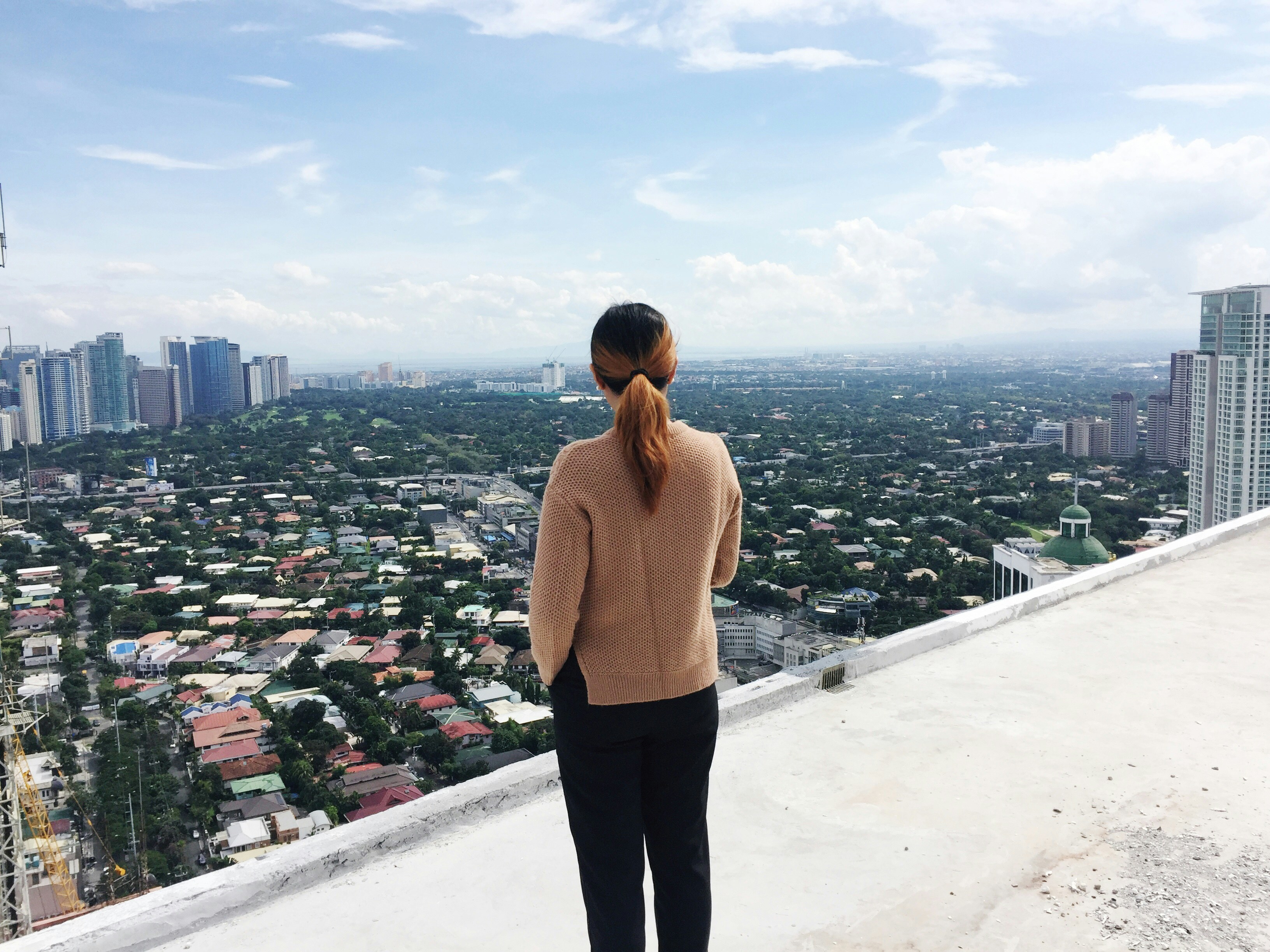


The American skyline tells countless stories of innovation, ambition, and cultural fusion, with Filipino architects increasingly shaping the nation's built environment. From towering skyscrapers in major metropolitan areas to sustainable residential developments in growing communities, Filipino-American professionals are leaving an indelible mark on American architecture and construction. These talented individuals bring a unique perspective that combines traditional Filipino craftsmanship values with cutting-edge design principles and construction techniques.
The Foundation of Filipino Excellence in American Architecture
The presence of Filipino architects in America's design landscape has deep historical roots, tracing back to the early waves of Filipino immigration in the 20th century. Many of these pioneering professionals brought with them an appreciation for both traditional building techniques and modern architectural principles, creating a unique synthesis that would influence American design for decades to come. The Filipino approach to architecture emphasizes harmony with the environment, community-centered design, and the integration of indoor and outdoor spaces—principles that align perfectly with contemporary American architectural trends.
Filipino builders have established a reputation for exceptional craftsmanship, attention to detail, and innovative problem-solving abilities. This reputation stems from the Filipino cultural values of pakikipagkapwa (shared identity) and malasakit (care and concern), which translate into a deep commitment to creating spaces that serve communities and enhance people's lives. These values, combined with rigorous technical training and continuous professional development, have positioned Filipino-American professionals as leaders in sustainable design, urban planning, and innovative construction methodologies.
Pioneering Projects and Iconic Contributions
Sustainable Urban Development
Filipino professionals in America have been at the forefront of sustainable urban development, leading projects that prioritize environmental responsibility and community well-being. These professionals have championed green building practices, incorporating renewable energy systems, efficient water management, and sustainable materials into their designs. Their work in cities like Los Angeles, San Francisco, and New York has set new standards for environmentally conscious construction.
One of the most significant contributions of Filipino-American architects has been their ability to create high-density housing solutions that maintain a sense of community and cultural identity. Drawing inspiration from traditional Filipino bayanihan (community spirit) values, these projects feature common spaces, community gardens, and flexible living arrangements that foster social interaction while maximizing efficient use of urban space.
Commercial and Mixed-Use Developments
The influence of Filipino builders is prominent in commercial and mixed-use developments that serve as community anchors. These projects often incorporate retail spaces, offices, and residential units to create vibrant, walkable neighborhoods. The Filipino approach to commercial architecture emphasizes accessibility, cultural sensitivity, and the creation of spaces that welcome diverse communities.
Many Filipino-American architects have specialized in designing spaces for multicultural communities, recognizing the importance of creating environments where diverse cultural groups feel welcome and represented. This expertise has made them valuable contributors to urban revitalization projects in cities with significant immigrant populations, where their cultural competency and design skills combine to create truly inclusive spaces.
Cultural Integration and Community Building
Designing for Diaspora Communities
The work of Filipino professionals in America often reflects a deep understanding of diaspora experiences and the importance of creating spaces that honor cultural heritage while embracing American innovation. Many projects incorporate design elements that subtly reference Filipino architectural traditions, such as open-air concepts, natural ventilation systems, and the integration of outdoor gathering spaces that facilitate community interaction.
These professionals understand the challenges faced by immigrant communities and design spaces that address specific cultural needs. This might include flexible spaces for large family gatherings, commercial kitchens that accommodate traditional cooking methods, or community centers that can host cultural celebrations and educational programs.
Preserving Cultural Heritage Through Design
Filipino-American architects have played an important role in preserving and celebrating cultural heritage through their architectural work. This includes the restoration and adaptive reuse of historic buildings in Filipino-American communities, as well as the design of new structures that honor traditional Filipino architectural principles while meeting contemporary needs.
The incorporation of traditional Filipino design elements, such as capiz-shell installations, bamboo accents, and tropical landscaping, into modern American buildings creates visual connections to Filipino culture while enriching the diversity of American architectural expression. These design choices help maintain cultural identity within diaspora communities while introducing broader American audiences to Filipino aesthetic traditions.
Educational Leadership and Mentorship
The influence of Filipino architects extends into educational institutions, where many serve as professors, researchers, and mentors at leading architecture and engineering schools. Their academic contributions include research in sustainable design, disaster-resistant construction, and culturally responsive architecture. This educational leadership ensures that the next generation of architects, regardless of their cultural background, benefits from Filipino perspectives on design and construction.
Filipino builders have also established mentorship programs and professional organizations that support young Filipino-Americans entering the architecture and construction fields. These initiatives provide networking opportunities, scholarship programs, and career guidance that help maintain the pipeline of Filipino talent in these industries. The emphasis on education and professional development reflects the Filipino cultural value placed on learning and advancement.
Economic Impact and Business Leadership
Entrepreneurship in Construction and Design
The entrepreneurial spirit of Filipino professionals in America has led to the establishment of numerous successful architecture firms, construction companies, and specialized consulting businesses. These enterprises not only contribute to local economies but also create employment opportunities and mentor emerging professionals. Many Filipino-American-owned firms have grown from small practices to major players in regional construction markets.
The business acumen of Filipino-American architects and builders often reflects cultural values of hard work, family collaboration, and long-term thinking. Many firms operate as family businesses that span generations. This approach to business has created stable, respected companies that serve as pillars of their local business communities.
Innovation in Affordable Housing
One of the most significant contributions of Filipino builders has been in the development of affordable housing solutions that address America's housing crisis while maintaining design quality and community amenities. Filipino-American professionals have pioneered cost-effective construction techniques, efficient design strategies, and innovative financing models that make quality housing accessible to working families.
Their work in affordable housing often draws on lessons from traditional Filipino community structures, emphasizing shared spaces, multi-generational living arrangements, and flexible room configurations that accommodate changing family needs. These design strategies help create affordable housing that truly serves communities rather than simply providing minimal shelter.
Future Directions and Emerging Trends
Technology Integration and Smart Buildings
The next generation of Filipino architects is leading the integration of smart building technologies, artificial intelligence, and Internet of Things (IoT) systems into architectural design. These professionals are developing buildings that can adapt to user needs, optimize energy consumption, and enhance occupant comfort through intelligent systems. Their work in this area builds on the Filipino tradition of resourcefulness and adaptation.
Filipino professionals in America are also pioneering the use of virtual and augmented reality technologies in the design process, enabling clients and communities to experience proposed buildings before construction begins. This technology integration improves design communication, reduces costly changes during construction, and ensures that finished projects better meet user expectations.
Climate Change Adaptation
As climate change presents new challenges for the built environment, Filipino-American architects and builders are drawing on their cultural experience with extreme weather events to develop adaptive design strategies. Their work includes flood-resistant construction techniques, hurricane-proof building systems, and designs that can accommodate rising sea levels and changing precipitation patterns.
The Filipino cultural connection to nature and environmental stewardship influences their approach to climate-adaptive design, emphasizing solutions that work with natural systems rather than against them. This philosophy aligns with growing American interest in regenerative design and biophilic architecture, which promote both human and environmental health.
Community Impact and Social Responsibility
The work of Filipino builders extends beyond individual projects to encompass broader community development initiatives. Many professionals volunteer their time and expertise to design community centers, affordable housing projects, and disaster relief structures. This commitment to social responsibility reflects the Filipino value of kapwa (shared identity) and the belief that professional success should benefit entire communities.
Filipino-American architects have been particularly active in designing spaces for immigrant and refugee communities, recognizing the unique challenges these populations face in adapting to new environments. Their designs often incorporate familiar cultural elements while introducing residents to American architectural conventions, helping ease the transition to life in a new country.
Building America's Multicultural Future
Filipino architects and builders have fundamentally transformed America's architectural landscape through their unique blend of traditional craftsmanship, innovative design thinking, and deep commitment to community service. Their contributions extend far beyond individual buildings to encompass sustainable urban development, disaster-resistant construction techniques, and culturally responsive design solutions that serve diverse communities. As these professionals continue to rise in prominence, they're not only shaping America's physical skyline but also creating more inclusive, resilient, and beautiful communities for all Americans.
Visit United Tribes today to learn more about Filipino culture and community, and discover the rich heritage and ongoing contributions of Filipino professionals who are literally building America's future, one project at a time.


