
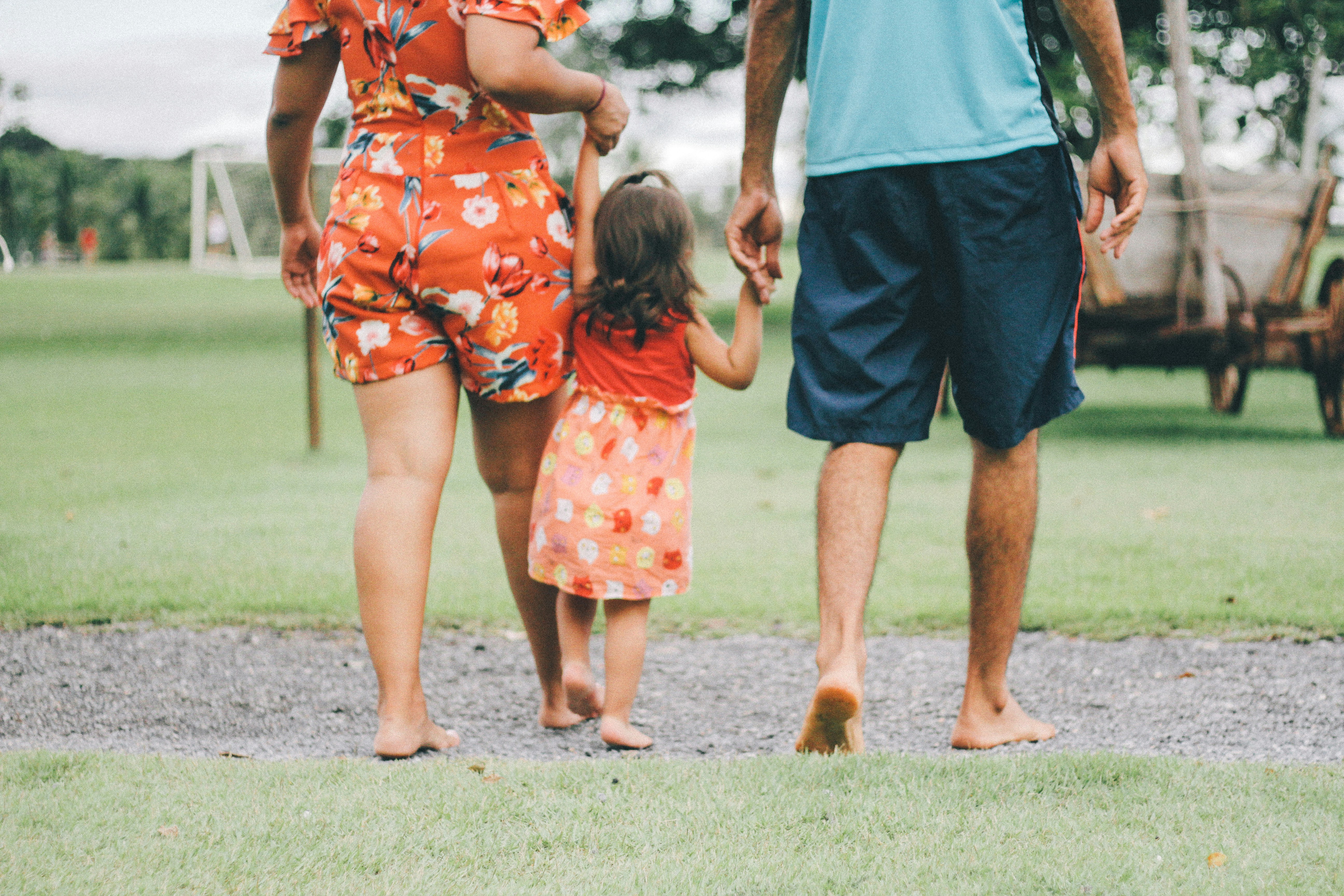


The cooler months present a unique opportunity for Filipino families to slow down and embrace the intimate moments that define their cultural identity. While the summer months often bring outdoor celebrations and community festivals, the quieter seasons invite families inward, creating space for deeper connections through food preparation, storytelling, and the gentle rhythms of daily routines that honor their heritage.
The Sacred Kitchen: Where Comfort Begins
The Filipino kitchen transforms during cooler months, becoming the heart of comfort and connection. Lola's recipes emerge from carefully preserved recipe cards and memory, filling homes with aromas that instantly transport family members to childhood and ancestral homes. The kitchen becomes a sacred space where multiple generations converge, each contributing their knowledge and presence to the collective sense of comfort.
Traditional cooking methods take center stage during these months, with families dedicating entire weekends to slow-cooking processes that would feel rushed during busier seasons. The act of preparing meals becomes as important as consuming them, with children learning knife skills from their parents and grandparents and sharing stories about how these same dishes sustained their families through various challenges and celebrations.
The communal aspect of kitchen work during cooler months reflects deeper Filipino values of kapamilya, the extended family concept that emphasizes mutual support and shared responsibility. Everyone has a role, from the youngest family member washing vegetables to the eldest guiding the seasoning process with decades of intuitive knowledge.
Hearty Dishes That Warm the Soul
When temperatures drop, Filipino families turn to time-tested comfort foods that provide both physical warmth and emotional satisfaction. Nilaga, the beloved boiled soup with tender beef and fresh vegetables, becomes a weekly staple that brings everyone to the table simultaneously. The slow-simmering process creates anticipation throughout the day, with family members checking the pot and adding their preferred vegetables.
Filipino comfort food takes on special significance during these months, as families recreate the dishes that provide the deepest sense of connection to their roots. Lugaw becomes the go-to remedy for cold days, its creamy rice porridge base accepting whatever proteins and garnishes the family prefers, from simple chicken and ginger to elaborate versions with hard-boiled eggs and crispy garlic.
Sinigang is a frequent dinner table staple, its distinctive sour broth providing a refreshing counterpoint to cold weather while delivering essential nutrients through generous portions of vegetables and protein. Families often debate the perfect balance of tamarind sourness, with each household developing its signature version that becomes part of their unique comfort tradition.
Weekend Cooking Marathons
Filipino families often devote entire weekends to preparing multiple comfort dishes simultaneously. Saturday cooking sessions might include preparing large batches of adobo, cooking rice the traditional way, and preparing fresh vegetables for the week ahead. These sessions become multi-generational affairs where cooking techniques pass naturally from experienced hands to eager learners.
Sunday meal preparation often centers on dishes that improve with time, such as stews and braised meats that develop deeper flavors overnight. Families intentionally prepare extra portions, knowing that these comfort foods often taste better the next day and provide easy weekday meals that maintain the comfort connection even during busy periods.
Family Gathering Traditions
In the cooler months, the importance of regular family gatherings intensifies, with Filipino families creating structured opportunities for connection that honor both convenience and tradition. Sunday family dinners are non-negotiable events, with high attendance expectations, and the meal preparation involves multiple family units contributing different dishes.
Evening storytelling sessions naturally emerge around the dinner table or in a comfortable living room, with older family members sharing memories from their childhoods in the Philippines or their early immigration experiences. These stories become part of the family's comfort ritual, providing continuity and context that helps younger generations understand their place within the larger family narrative.
The practice of merienda (afternoon snacking traditions) becomes more important during the cooler months, with families preparing warm beverages and small comfort foods that bridge the gap between lunch and dinner. These mini-gatherings create additional touchpoints for connection throughout the day.
Creating Cozy Spaces for Connection
Filipino families intentionally design their living spaces to encourage gathering during cooler months. Kitchen islands and dining tables serve as command centers where family members naturally congregate while meals are prepared, homework is completed, and daily experiences are shared. The physical arrangement of furniture often shifts to accommodate more intimate groupings that encourage conversation.
Living room layouts often feature comfortable seating that allows multiple conversations to occur simultaneously while maintaining a sense of unified family presence. Blankets and throws become communal resources that family members share while watching television or engaging in quiet individual activities in a group setting.
Daily Routines That Strengthen Bonds
Filipino families develop specific daily routines during cooler months that create predictable opportunities for connection and comfort. Morning breakfast rituals often involve preparing traditional Filipino dishes like tapsilog or longsilog, with family members contributing to the preparation before heading to school or work.
Evening routines often center on shared meal preparation and consumption, with family members arriving home to kitchens already filled with the aromas of slow-cooked comfort foods. The predictability of these routines provides emotional security, particularly for children who learn to associate the cooler months with increased family togetherness and attention.
The concept of pakikipagkunware, or shared experiences and mutual understanding, manifests through daily routines that acknowledge each family member's needs while maintaining collective unity. Parents might prepare different versions of the same basic dish to accommodate various preferences, while children contribute to household tasks in ways that match their abilities and schedules.
Adapting Traditions for American Life
Filipino families living in America creatively adapt their comfort traditions to accommodate American schedules and ingredient availability while maintaining the essential elements that provide cultural connection. Weeknight versions of traditional comfort foods let families enjoy familiar flavors even when time constraints prevent elaborate cooking.
Bringing the fiesta to the US and adapting Filipino celebrations demonstrates how Filipino families successfully maintain cultural practices while embracing American conveniences and opportunities. Grocery shopping strategies involve combining visits to American supermarkets with trips to Filipino specialty stores, ensuring access to authentic ingredients while taking advantage of convenient American products.
Meal planning approaches often incorporate both Filipino comfort traditions and American scheduling realities, with families preparing traditional dishes on weekends and creating quick versions for busy weeknights that still provide the flavors and comfort associated with their heritage.
Building New Traditions
Filipino American families often develop entirely new comfort traditions that blend their cultural heritage with their American experiences. Thanksgiving adaptations might include traditional Filipino dishes alongside turkey, creating unique celebrations that honor both cultures simultaneously.
Holiday season preparations often include Filipino comfort foods at American holiday gatherings, introducing friends and extended community members to the warmth and hospitality that characterize Filipino family life. These adaptations help maintain cultural pride while building bridges with broader American communities.
Embracing Heritage Through Comfort
Filipino comfort traditions during cooler months show the resilience, creativity, and deep family bonds that define Filipino culture across generations and geographic boundaries. These carefully maintained rituals provide stability and identity in an ever-changing world, ensuring that children growing up in America remain connected to their rich cultural heritage while building confidence in their ability to adapt and thrive. Through shared meals, family routines, and intentional gathering practices, Filipino families create warm sanctuaries of belonging that sustain them through any season.
Visit United Tribes today and discover more about Filipino culture and community connections that celebrate the rich traditions that make each heritage unique and valuable.


