
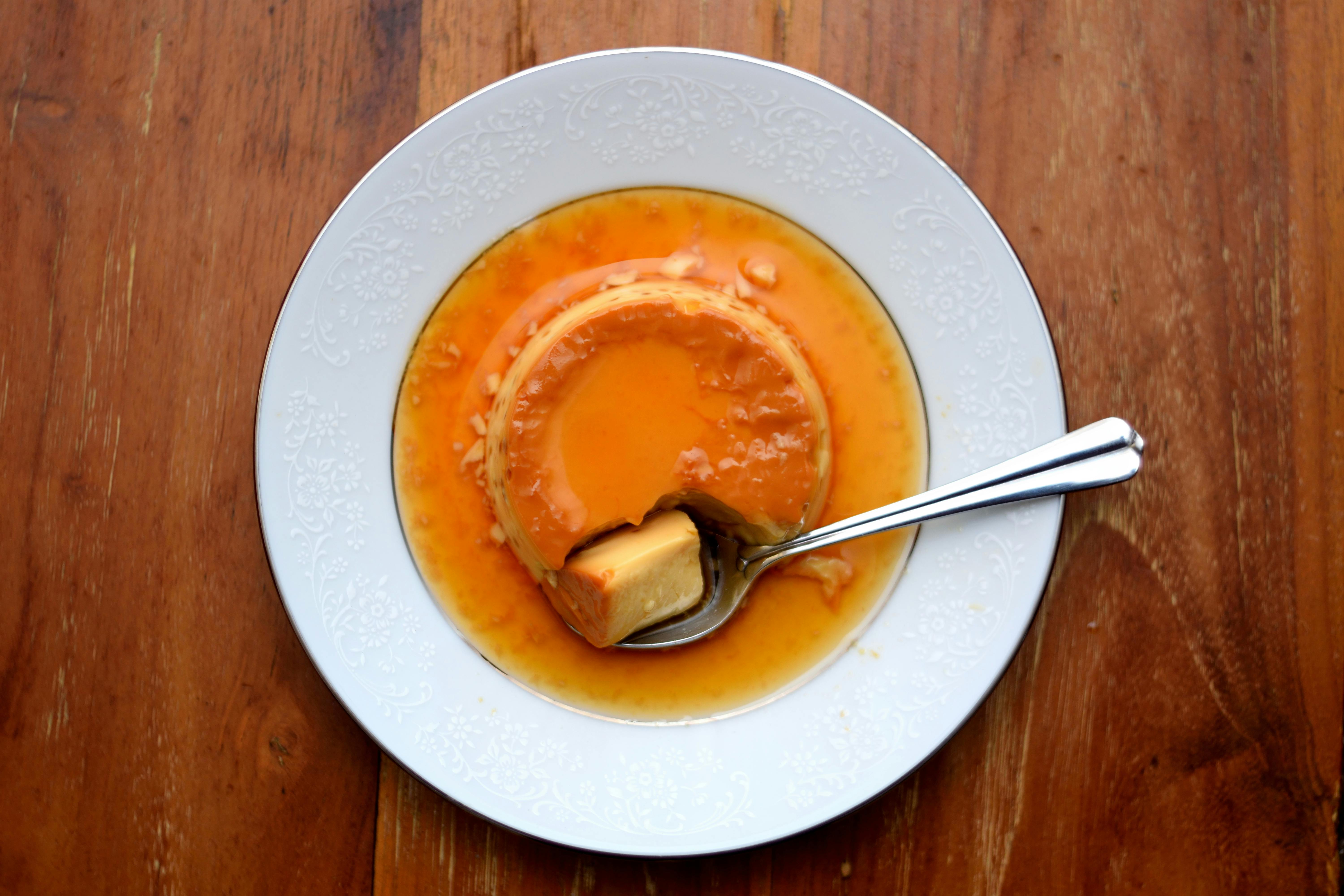


While ube has captured American hearts with its vibrant purple hue and unique flavor, the world of Filipino desserts extends far beyond this trendy root vegetable. Filipino-American communities across the United States have been quietly preserving and sharing an incredibly rich tradition of sweets that tell stories of heritage, celebration, and family bonds. From the silky perfection of leche flan to the cloud-like elegance of brazo de Mercedes, these desserts carry deep cultural significance and represent the sophisticated culinary artistry that defines Filipino desserts.
In Filipino-American households, the preparation and sharing of these desserts create connections to ancestral traditions while incorporating American ingredients and adapting to local occasions. Understanding these desserts means understanding the heart of Filipino hospitality and the significance of food in preserving cultural identity across the globe.
The Crown Jewel: Leche Flan's American Journey
Leche flan is a dessert that has been elevated into an art form, with each family guarding their secret recipes and techniques passed down through generations. This silky custard dessert, with its golden caramel top and rich, creamy texture, represents the pinnacle of Filipino dessert craftsmanship. Unlike its Spanish or Latin American cousins, Filipino leche flan is notably denser and richer, often made with more egg yolks and sweetened condensed milk.
In the United States, leche flan has become the ambassador of Filipino desserts at potluck dinners, church gatherings, and cultural festivals. Filipino-American families often prepare multiple flans for special occasions, with the dessert serving as a symbol of prosperity and celebration. The process of making leche flan requires patience and skill, from achieving the perfect amber caramel to mastering the steaming technique that creates its signature smooth texture.
Traditional Preparation Meets Modern Convenience
Filipino-American cooks have adapted traditional leche flan preparation to accommodate American kitchen equipment and schedules. While traditional methods involve steaming in llaneras (flan molds), many families now use ovens with bain-marie techniques or even pressure cookers to achieve consistent results. The core recipe remains unchanged: a careful balance of eggs, sweetened condensed milk, evaporated milk, and sugar transformed into liquid gold through careful caramelization.
The cultural significance of leche flan extends beyond its taste. In Filipino tradition, the circular shape represents unity and completeness, making it an essential dessert for birthdays, holidays, and family reunions. Filipino-American families often prepare leche flan for Thanksgiving dinners, Christmas celebrations, and graduation parties, introducing friends and neighbors to this beloved treat while maintaining their connection to Filipino comfort food traditions.
Brazo de Mercedes: A Cloud of Sweetness
Named after the luxury car brand for its elegance and refinement, brazo de Mercedes represents the sophisticated side of Filipino sweets. This rolled meringue cake, filled with custard, demonstrates the Spanish influence on Filipino cuisine while showcasing the Filipino mastery of egg-based desserts. The dessert's name, meaning "Mercedes' arm," reflects its cylindrical shape and premium status among Filipino desserts.
The creation of brazo de Mercedes requires technical skill that Filipino-American bakers take pride in mastering. The meringue base must be whipped to perfect peaks, baked until just set, and carefully rolled while warm to prevent cracking. The custard filling, made with egg yolks and condensed milk, provides a rich contrast to the light, airy meringue exterior.
Celebration Centerpiece in Filipino-American Communities
In Filipino-American celebrations, brazo de Mercedes often serves as the showstopper dessert, its elegant appearance making it perfect for weddings, anniversaries, and formal gatherings. The white exterior symbolizes purity and new beginnings in Filipino culture, making it particularly popular for baptisms and first communions. Many Filipino-American families commission brazo de Mercedes from skilled community bakers for special occasions, supporting local businesses while ensuring authenticity.
The preparation of desserts has evolved in American kitchens, with some bakers adding modern touches, such as flavored custard fillings or decorative toppings, while maintaining the traditional base. This adaptation reflects the broader pattern of how Filipino celebrations adapt in America while preserving essential cultural elements.
Cassava Cake: Comfort Food Redefined
Cassava cake represents the rustic, comforting side of Filipino desserts, transforming a humble root vegetable into a rich, chewy dessert that satisfies both nostalgia and sweet cravings. Made from grated cassava root, coconut milk, and condensed milk, this dessert embodies the Filipino ability to create extraordinary flavors from simple, accessible ingredients.
The preparation of cassava cake tells a story of resourcefulness and creativity. Traditionally, Filipino families would grate fresh cassava root by hand, a labor-intensive process that brought families together in preparation for special occasions. In the United States, Filipino-American communities have adapted to using frozen grated cassava, making this beloved dessert more accessible while maintaining its authentic taste and texture.
Modern Variations and Cultural Significance
Filipino-American bakers have created numerous variations of cassava cake, incorporating ingredients such as ube for color, cheese for richness, or macapuno (coconut strings) for texture. These innovations demonstrate how Filipino desserts continue to evolve while honoring traditional foundations. The dessert's golden top layer, achieved through careful baking and sometimes broiling, creates a delightful contrast between the creamy interior and slightly caramelized surface.
Cassava cake holds special significance in Filipino culture as a symbol of abundance and celebration. Its presence at gatherings indicates hospitality and care, with hosts often preparing multiple pans to ensure everyone can enjoy this beloved treat. The dessert's ability to improve in flavor after resting overnight makes it perfect for preparation, aligning with the Filipino tradition of meticulous planning for celebrations.
Hidden Gems: Biko, Maja Blanca, and Taho
Beyond the famous trio of leche flan, brazo de Mercedes, and cassava cake, Filipino desserts are a treasure trove of equally delicious and culturally significant sweets. Biko, a sticky rice cake topped with latik (coconut curd), represents the Austronesian roots of Filipino cuisine. This dessert, made with glutinous rice, coconut milk, and brown sugar, creates a perfect balance of textures and flavors that comforts Filipino-Americans with memories of home.
Maja blanca, often referred to as Filipino corn pudding, showcases the influence of Mexican trade on Filipino cuisine. This creamy dessert, made with coconut milk, corn kernels, and cheese, represents the fusion cooking that characterizes much of Filipino cuisine. In American Filipino communities, maja blanca has found new life at potluck dinners and cultural festivals.
Street Food Sweets in American Settings
Taho, while technically a street food rather than a formal dessert, deserves recognition for its cultural importance in Filipino-American communities. This warm treat, featuring soft tofu, arnibal (a brown sugar syrup), and sago pearls, has found new life in Filipino restaurants and cultural events across the United States. The nostalgic cry of "Tahoooo!" from vendors has been recreated at Filipino festivals, bringing childhood memories to life for immigrant families while introducing American friends to this unique dessert experience.
These desserts collectively represent the diversity and creativity inherent in Filipino food, showcasing influences from Malay, Spanish, Chinese, and American culinary traditions. Their preparation and sharing in Filipino-American communities serve as acts of cultural preservation, connecting diaspora families to their roots while creating new traditions in their adopted homeland.
Regional Specialties and Family Traditions
The landscape of Filipino desserts becomes even richer when considering regional specialties that Filipino-American families bring from specific provinces and islands. Bibingka from Laguna differs from versions made in Mindanao, and these regional variations create a diverse dessert culture within Filipino-American communities. Families often specialize in desserts from their ancestral regions, becoming known within their communities for particular treats.
Suman, a rice cake wrapped in banana leaves, varies significantly across Philippine regions, with some versions using coconut milk while others rely on different rice preparations. Filipino-American families have adapted these recipes to American ingredients and equipment, sometimes substituting banana leaves with parchment paper while maintaining the essential flavors and textures. These adaptations represent the ongoing evolution of regional Filipino cuisine in American contexts.
Preservation Through Community Sharing
Filipino-American churches, cultural organizations, and community centers play crucial roles in preserving dessert traditions by organizing cooking classes, cultural festivals, and recipe exchanges. These gatherings ensure that traditional techniques are passed to younger generations while fostering community bonds through shared culinary experiences. The act of teaching dessert preparation becomes a form of cultural transmission, with experienced cooks sharing not just ingredients and methods but stories and memories associated with each recipe.
The business opportunities created by these dessert traditions have also contributed to the economic empowerment of Filipino-American communities. Many successful Filipino bakeries and restaurants have built their reputations on authentic dessert offerings, creating economic opportunities while satisfying the community's cravings for traditional sweets.
Sweetening Cultural Connections
The rich tapestry of Filipino desserts extends far beyond the trendy ube phenomenon, encompassing a sophisticated culinary tradition that carries deep cultural significance for Filipino-American communities. From the silky elegance of leche flan to the comforting warmth of cassava cake, these desserts serve as bridges between generations and cultures, preserving ancestral traditions while adapting to American contexts. The preparation and sharing of these sweets create community bonds, support local businesses, and introduce American palates to the incredible diversity of Filipino sweets.
As Filipino-American communities continue to grow and evolve, these dessert traditions remain vital connections to heritage and identity. These desserts embody the Filipino values of hospitality, family connection, and cultural pride that continue to flourish in the United States.
Visit United Tribes today and discover more about Filipino culture and community, exploring the businesses, events, and traditions that keep these vibrant cultural connections alive across America.


