
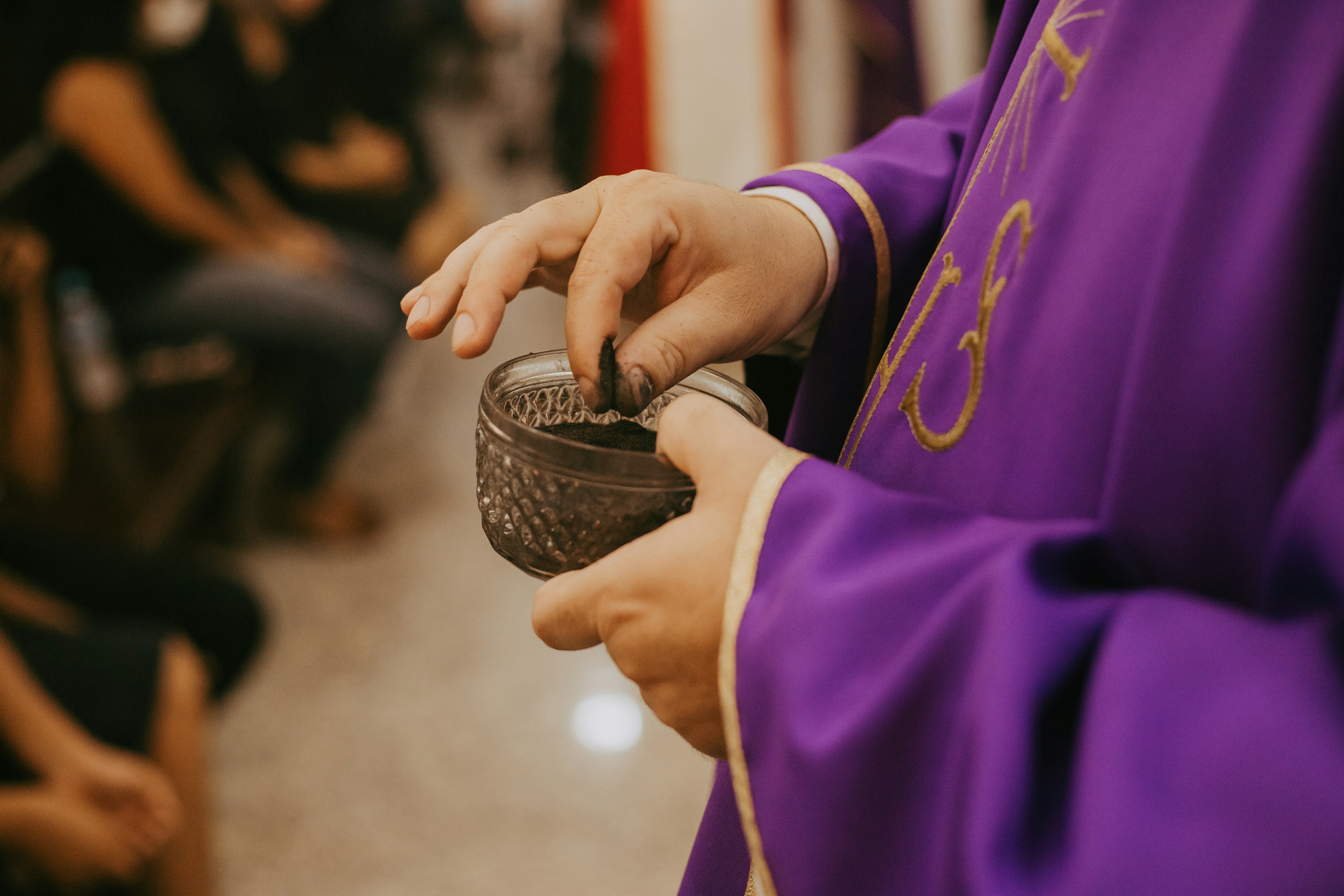


The early weeks of Lent hold a special place in Filipino family traditions, marked by quiet reflection and intimate gatherings that strengthen bonds before the solemn observance of Holy Week. Unlike the grand celebrations that characterize many Filipino festivities, these pre-Holy Week gatherings embrace a more subdued approach, focusing on spiritual preparation, modified food practices, and meaningful family time.
Food Traditions and Modified Meal Practices
During the early Lenten season, Filipino family rituals around food take on heightened significance as families begin adopting dietary modifications that reflect spiritual discipline. Traditional Filipino households often gradually reduce meat consumption as Holy Week approaches, preparing for stricter observances while maintaining the communal practice of sharing meals.
Seafood-focused gatherings become common during this period, with families preparing dishes such as sinigang na hipon (shrimp sour soup), pakbet with bagoong (mixed vegetables with shrimp paste), and various fish preparations that honor both tradition and religious observance. These meals maintain the Filipino emphasis on shared dining while respecting Lenten practices.
Traditional Lenten Dishes for Family Gatherings
Family cooks often prepare vegetable-heavy dishes that can feed larger groups while maintaining nutritional balance. Pinakbet, laing, and ginataang gulay (vegetables in coconut milk) become staples during these gatherings, offering comfort and satisfaction without heavy reliance on meat. These dishes connect families to Filipino food while honoring religious observances.
Rice remains central to these meals, often prepared in larger quantities to accompany the vegetable dishes. Families might prepare variations of lugaw (rice porridge) with vegetables or seafood, creating warm, communal meals that encourage longer conversations around the dining table.
Sweet treats also shift during this period, with families preparing traditional kakanin (rice cakes) and other desserts that don't rely heavily on dairy or rich ingredients. These treats maintain the Filipino tradition of ending meals with something sweet while respecting the season's more modest approach.
Intimate Family Reflection and Prayer Practices
Filipino Lenten traditions emphasize collective prayer and reflection, with families gathering at home rather than always meeting in larger church settings. These intimate sessions often involve reading scripture together, sharing personal intentions, and discussing spiritual goals for the Lenten season. Many families establish evening prayer routines that bring relatives together regularly throughout the early Lenten weeks.
The practice of family rosary gains prominence during this time, with different family members taking turns leading decades while others participate actively. These sessions often extend beyond traditional prayers to include conversations about faith, family challenges, and community concerns. Children learn not just the prayers but also the importance of collective spiritual practice within Filipino culture.
Creating Sacred Spaces in the Home
Filipino families often designate specific areas of their homes for prayer and reflection during Lent. These spaces might include religious images, candles, and small altars that become focal points for family gatherings. The creation and maintenance of these spaces becomes a family project that involves multiple generations working together.
Traditional devotional practices like novenas gain special significance during family gatherings, with relatives committing to nine-day prayer cycles that coincide with their regular meeting times. These structured prayer practices provide frameworks for families to maintain consistent spiritual disciplines while accommodating busy American schedules.
Storytelling and Cultural Transmission
Early Lenten gatherings provide ideal opportunities for Filipino family rituals centered on storytelling and cultural education. Elders share stories about Holy Week observances in the Philippines, describing processions, traditional foods, and community practices that younger generations might not have experienced directly. These narratives help maintain cultural connections while contextualizing current American practices.
Family histories often surface during these quieter gatherings, with relatives sharing stories about ancestors, migration experiences, and the evolution of family traditions across generations. Children and young adults learn about their heritage through informal education sessions that naturally occur during extended family meals and prayer times.
The tradition of teaching traditional songs and prayers in the Filipino languages often occurs during these gatherings. Older family members pass down Pabasa verses, traditional hymns, and devotional songs that children can later use during Holy Week observances. This musical transmission ensures cultural practices continue authentically across American-born generations.
Community Preparation and Planning
Filipino Lent traditions often extend beyond immediate family to include broader community preparation for Holy Week observances. Early in Lent, family gatherings often involve planning participation in parish activities, organizing group attendance at special services, and coordinating community meal preparations for later religious observances.
Families use these intimate gatherings to discuss volunteer commitments and community service projects that align with Lenten themes of sacrifice and service. Planning sessions might involve organizing food donations, coordinating transportation for elderly community members, or arranging group participation in Stations of the Cross services.
Building Extended Family Networks
These gatherings strengthen extended family connections that prove essential during Holy Week observances. Families coordinate schedules to ensure maximum participation in religious activities while managing work and school commitments. The early Lenten period allows for logistics planning that makes later observances more meaningful and well-attended.
Godparent relationships often receive renewed attention during these family meetings, with ninongs and ninangs (godfathers and godmothers) taking active roles in spiritual preparation activities. These relationships, fundamental to Filipino culture, gain special significance during religious seasons and benefit from the planning and coordination that occurs during early Lenten family gatherings.
Modern Adaptations for American Life
Contemporary Filipino families in America have adapted traditional Filipino family rituals to accommodate different work schedules, geographical distances, and cultural contexts while maintaining essential spiritual and familial elements. Weekend gatherings might substitute for daily family prayers, while video calls connect relatives who cannot attend in person.
Technology integration has become part of modern Lenten family practices, with families using group chats to share daily prayers, coordinate meal preparations, and maintain spiritual accountability throughout the season. These digital tools supplement rather than replace in-person gatherings, extending the sense of family connection throughout the week.
Strengthening Filipino Family Bonds Through Lent
Filipino family gatherings during the early Lenten season represent the deep cultural values that define Filipino communities and their religious observances. Through modified meal traditions, collective prayer practices, and meaningful storytelling, Filipino families maintain their cultural identity while adapting to contemporary American life.
Visit United Tribes today and find out more about Filipino culture and community celebrations that connect families across America.


