
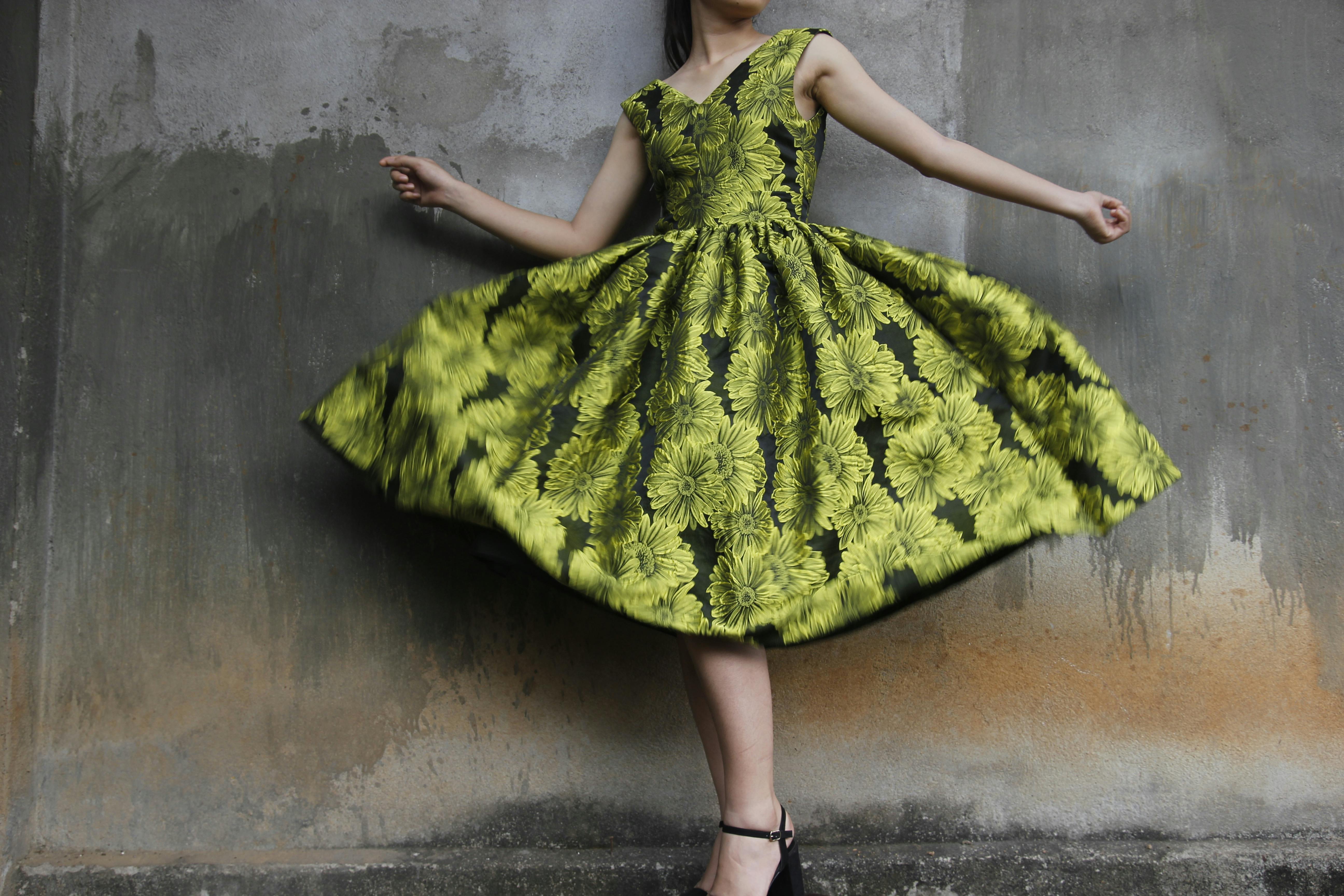


The fashion world is witnessing a remarkable renaissance as Filipino designers across the United States weave their cultural heritage into contemporary designs that captivate global audiences. From the bustling studios of New York to the creative spaces of Los Angeles, Filipino-American designers are reimagining what modern Filipino clothing means in today's fashion landscape. These visionaries are crafting narratives that honor their ancestors while speaking to modern sensibilities.
The Heritage Fabric Revolution
Piña fabric, once reserved for the formal barong tagalog and elegant ternos of Filipino high society, is now finding new life in modern silhouettes that appeal to international markets.
The delicate, translucent quality of piña makes it perfect for layering techniques popular in contemporary fashion. Filipino-American designers are experimenting with this luxurious fabric in unexpected ways, creating everything from structured blazers to flowing evening wear that maintains the fabric's inherent elegance while embracing modern cuts and styling.
Abaca fiber, traditionally used for sturdy everyday items, is being transformed into sophisticated textiles that showcase its natural durability and unique texture. This sustainable material aligns perfectly with the growing global demand for eco-conscious fashion, positioning Filipino designers at the forefront of the sustainable luxury movement.
Innovative Weaving Techniques
Contemporary Filipino-American designers are collaborating directly with master weavers in the Philippines, blending traditional techniques with modern fashion demands. These partnerships ensure that ancient skills are preserved while evolving to meet contemporary needs. The resulting fabrics often feature updated patterns, innovative color combinations, and hybrid techniques that honor tradition while embracing innovation.
The integration of modern technology with traditional handweaving has opened new possibilities for textile creation. Some designers are incorporating metallic threads, experimenting with organic dyes, and developing new weaving patterns that reflect both Filipino aesthetics and contemporary design sensibilities.
Pioneering Designers Shaping the Movement
The landscape of Filipino fashion is populated by talented designers who bring unique perspectives to their craft. These creatives understand that successful cultural fashion fusion requires deep respect for tradition combined with bold innovation. Each designer contributes their own interpretation of what it means to be Filipino-American in the fashion world.
Many of these designers draw inspiration from childhood memories, family stories, and cultural celebrations that shaped their identity. Filipino fiestas and other Philippine celebrations profoundly influence their color palettes, textile choices, and design philosophies.
Cultural Storytelling Through Design
Modern Filipino clothing created by these designers often incorporates storytelling elements that speak to the Filipino-American experience. Embroidery patterns might reference traditional symbols while silhouettes reflect contemporary lifestyle needs. This narrative approach to design creates garments that function as wearable art, each piece telling a story about heritage, adaptation, and cultural pride.
The designers' work often reflects the duality of the Filipino-American experience, honoring ancestral traditions while embracing American innovation and market demands. This balance requires a sophisticated understanding of both cultural contexts and the skill to translate complex cultural concepts into accessible fashion statements.
Sustainable Fashion and Cultural Preservation
The emphasis on traditional Filipino materials like piña and abaca positions Filipino designers as leaders in the sustainable fashion movement. These natural fibers are biodegradable and renewable, and are produced using methods with minimal environmental impact compared to synthetic alternatives.
By choosing to work with these traditional materials, designers support Filipino artisans and promote sustainable fashion practices. This approach creates economic opportunities in the Philippines while meeting growing consumer demand for environmentally conscious fashion.
The production of piña and abaca also maintains important agricultural practices and supports rural communities in the Philippines. This connection between fashion and community development reflects the broader Filipino value of kapamilya, which means taking care of family and community, that influences many design decisions.
Innovation in Traditional Techniques
Filipino fashion designers are pioneering new applications for traditional materials, developing processes that make piña and abaca more versatile and accessible for contemporary fashion. These innovations include treatments that enhance durability, dyeing techniques that expand color options, and weaving methods that create a range of textures and weights suitable for various garment types.
Some designers are also experimenting with blending traditional Filipino fibers with modern materials, creating hybrid fabrics that combine the cultural significance of traditional materials with the practical benefits of contemporary textiles. These innovations demonstrate how tradition can evolve without losing its essential character.
Global Recognition and Market Success
The international fashion community has taken notice of the sophisticated approach Filipino designers bring to cultural fashion. Major fashion weeks now regularly feature Filipino-American designers, and high-end boutiques and department stores across the United States and internationally are carrying their work.
This recognition has opened doors for broader conversations about cultural representation in fashion and the importance of authentic cultural expression. The success of these designers demonstrates a significant market for fashion that tells meaningful cultural stories while meeting contemporary style and quality expectations.
The growing interest in modern Filipino clothing reflects broader consumer trends toward authenticity, sustainability, and cultural appreciation. Consumers are increasingly seeking fashion that connects them to meaningful narratives and reflects values beyond mere aesthetics.
Building Cultural Bridges
Fashion has become a powerful medium for cultural exchange and understanding. When non-Filipino consumers wear pieces designed by Filipino designers, they participate in cultural appreciation that benefits both communities. This exchange helps break down cultural barriers and creates opportunities for meaningful conversation about Filipino culture and history.
The success of Filipino fashion also inspires pride within Filipino-American communities, providing visible representation in an industry where Asian designers have historically been underrepresented. This representation is particularly significant for younger Filipino Americans, who can now see their heritage celebrated and elevated in mainstream fashion contexts.
The Future of Filipino Fashion Innovation
As Filipino fashion continues to evolve, new opportunities are emerging for collaboration, innovation, and cultural expression. Technology is enabling new possibilities for design, production, and distribution, helping Filipino designers reach even broader audiences while maintaining their commitment to cultural authenticity.
The next generation of Filipino-American designers is building on the foundation established by current pioneers, bringing fresh perspectives while maintaining deep respect for traditional craftsmanship. These emerging talents are exploring new ways to incorporate Filipino aesthetics into contemporary fashion, ensuring that the movement continues to evolve and grow.
Educational initiatives are also supporting the growth of Filipino fashion, with design schools beginning to include courses on traditional textile techniques and cultural fashion development. These programs ensure that knowledge of traditional methods is preserved while new generations of designers develop the skills to innovate respectfully.
Weaving Culture into Fashion's Future
The movement of Filipino designers blending heritage with modernity is a powerful expression of cultural pride, sustainability, and artistic excellence, enriching the global fashion landscape. These visionaries demonstrate that honoring tradition and embracing innovation are complementary, not opposing, forces in meaningful design. As Filipino fashion continues to gain recognition, it paves the way for other cultural communities to see their heritage celebrated in mainstream fashion, creating a more inclusive and diverse industry that benefits everyone.
The success of contemporary Filipino fashion today demonstrates the universal appeal of authentic cultural expression when executed with skill, respect, and innovation. From traditional piña and abaca fabrics to cutting-edge silhouettes, Filipino-American designers are writing a new chapter in fashion history that honors the past while confidently stepping into the future. Visit United Tribes today to learn more about Filipino culture and community.


