
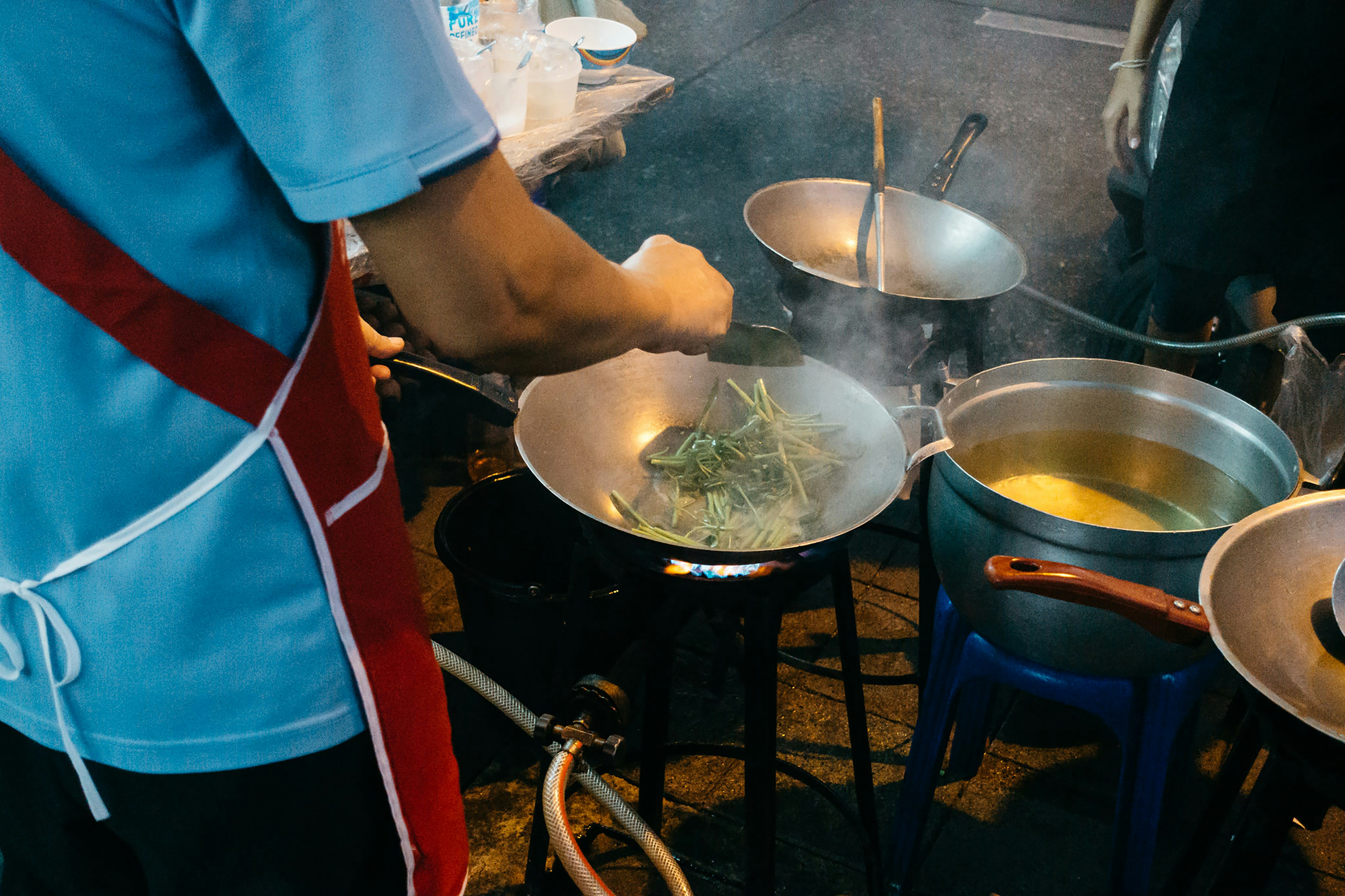

In the heart of Filipino households across America, the aroma of adobo still fills modern kitchens, but the preparation methods have evolved dramatically. As we navigate 2026, Filipino home cooking continues to serve as a bridge between generations, yet families are finding innovative ways to honor their culinary heritage while embracing contemporary lifestyles. The challenge lies not in abandoning tradition, but in thoughtfully adapting time-honored recipes to fit the realities of modern life – from smaller living spaces to demanding work schedules.
Digital Recipe Preservation and Sharing
Modern Filipino families are revolutionizing how they preserve and share their culinary heritage through digital platforms. Filipino recipes abroad are now being documented through video calls with grandparents, detailed photo tutorials, and family group chats where cooking tips flow freely across generations.

Welcome to United Tribes
Where Filipino Culture Comes Alive
Join Your Tribe
Connect with your people
Discover Events
Watch parties & festivals
Find Filipino Businesses
Restaurants, markets & more
Earn Crown Credits
Get rewarded for engaging
Recipe Documentation Methods
Young Filipino Americans are creating digital recipe collections that capture not just ingredients and instructions, but the stories behind each dish. Family WhatsApp groups have become treasure troves of culinary knowledge, where aunties share photos of their lumpia rolling techniques and cousins debate the proper ratio of soy sauce to vinegar in adobo. Cloud-based recipe storage has replaced handwritten recipe cards, allowing families to access their grandmother's pancit recipe from anywhere in the world.
Cross-Generational Cooking Sessions
Virtual cooking sessions have become a cornerstone of Filipino food culture, with families scheduling regular video calls in which multiple generations cook together despite geographic distance. These sessions serve multiple purposes: preserving traditional techniques, adapting recipes for available ingredients, and maintaining family bonds through shared culinary experiences.
During these virtual gatherings, older family members guide younger cooks through the sensory aspects of cooking – how the oil should look when ready for bangus, the sound rice makes when it's perfectly steamed, and the aroma that signals when lechon kawali is crispy enough.
Kitchen Technology and Traditional Techniques
The integration of modern kitchen appliances with traditional Filipino cooking methods has created exciting possibilities for busy families. Filipino home cooking in 2026 leverages technology without sacrificing the authentic flavors that define the cuisine.
Pressure Cookers and Instant Pots
The pressure cooker has become a game-changer for Filipino families abroad, dramatically reducing cooking times for traditionally long-simmered dishes. Kare-kare, once requiring hours of preparation, can now be made in under an hour while maintaining the rich, complex flavors that make the dish special.
Adobo variations have evolved to work perfectly with pressure cooking, with families developing new techniques for achieving the characteristic caramelization and depth of flavor in a fraction of the traditional time. The key lies in understanding how to layer flavors and adjust liquid ratios for pressure cooking environments.
Air Fryers and Health-Conscious Adaptations
Air fryers have enabled Filipino families to enjoy beloved fried foods like lumpia and turon with significantly less oil. These adaptations don't compromise on taste while addressing modern health concerns, making traditional treats more accessible for families managing diabetes or heart health issues.
Many families have discovered that air fryers excel at reheating rice dishes like sinangag, creating the perfect texture that's often lost when using the microwave. This technology has made it easier to meal prep traditional Filipino breakfasts for busy weekday mornings.
Ingredient Substitutions and Sourcing
Filipino recipes abroad often require creative ingredient substitutions, leading to regional variations that reflect both tradition and adaptation. Successful substitutions maintain the dish's spirit while working within the constraints of ingredient availability and budget.
Local Ingredient Integration
Filipino families have become experts at sourcing local alternatives that complement traditional flavors. Mexican chiles substitute for hard-to-find Filipino peppers, while local leafy greens replace kangkong in adobong kangkong preparations. These adaptations have created unique regional versions of classic dishes.
Coconut milk substitutions made with local dairy products have enabled families to enjoy ginataang dishes year-round, even when coconut milk prices fluctuate or supply becomes scarce. The key lies in understanding the role coconut milk plays in each dish and finding alternatives that serve the same purpose.
Online Sourcing and Bulk Buying
Filipino families in 2026 have mastered the art of online ingredient sourcing, often coordinating bulk purchases within their communities. Filipino food culture includes organized group orders for specialty ingredients like bagoong and banana leaves, making authentic cooking more affordable and accessible.
Community buying groups have formed in specific regions, with families taking turns coordinating shipments of perishable ingredients like ube and fresh coconut. This collaborative approach has strengthened community bonds while preserving access to authentic flavors.
Meal Planning and Batch Cooking
Modern Filipino families have embraced strategic meal planning that honors traditional eating patterns while accommodating contemporary schedules. Filipino comfort food continues to play a central role in family life, but preparation methods have evolved to fit busy lifestyles.
Weekend Batch Preparation
Filipino home-cooking processes now include dedicated weekend sessions in which families prepare components that can be assembled into different dishes throughout the week. Pre-cooked rice varieties, marinated proteins, and chopped vegetables serve as building blocks for quick weeknight meals.
Ulam prep has become an art form, with families preparing two or three main dishes that can be mixed and matched with different rice preparations throughout the week. This approach maintains variety while minimizing daily cooking time.
Freezer-Friendly Adaptations
Traditional dishes have been adapted for freezer storage, allowing families to maintain their Filipino food culture even during the busiest periods. Lumpia preparation has evolved into assembly-line processes where families make hundreds at once, freezing them for quick meals throughout the month.
Soup bases for dishes like sinigang and tinola are now commonly prepared in large batches and frozen in portion-sized containers. This allows families to enjoy authentic soup dishes with minimal weeknight preparation time.
Teaching Children and Cultural Transmission
Passing down culinary knowledge to Filipino-American children requires intentional strategies that make traditional cooking relevant and engaging for young people growing up in bicultural environments.
Making Cooking Accessible for Young Learners
Filipino food culture includes age-appropriate ways to involve children in traditional cooking. Simple tasks like properly washing rice and rolling lumpia serve as entry points for deeper cultural learning. Parents have found that children are more interested in eating traditional foods when they've participated in preparation.
Child-friendly versions of complex dishes help young people develop an appreciation for Filipino flavors without overwhelming them with complicated techniques. Simplified adobo recipes that children can largely prepare themselves create confidence and connection to their cultural heritage.
Integrating cultural stories into cooking instruction helps children understand why certain dishes matter to their families. Filipino fiestas, even in adapted settings, often center around food, making cooking instruction inseparable from cultural education.
Preserving Heritage Through Modern Innovation
Filipino home cooking in 2026 demonstrates that cultural preservation and modern adaptation can coexist beautifully. Families have found creative ways to honor their culinary heritage while embracing the tools and techniques that make traditional cooking accessible in contemporary life.
Whether through virtual cooking sessions with grandparents or community ingredient sourcing, Filipino families are proving that tradition thrives when it adapts thoughtfully to new circumstances. Visit United Tribes today to learn more about Filipino culture and the community connections that support these evolving culinary traditions.
Make United Tribes Your Preferred Source
Add United Tribes on Google to get the latest stories, cultural updates, and community events directly in your Google Search and Top Stories.


