
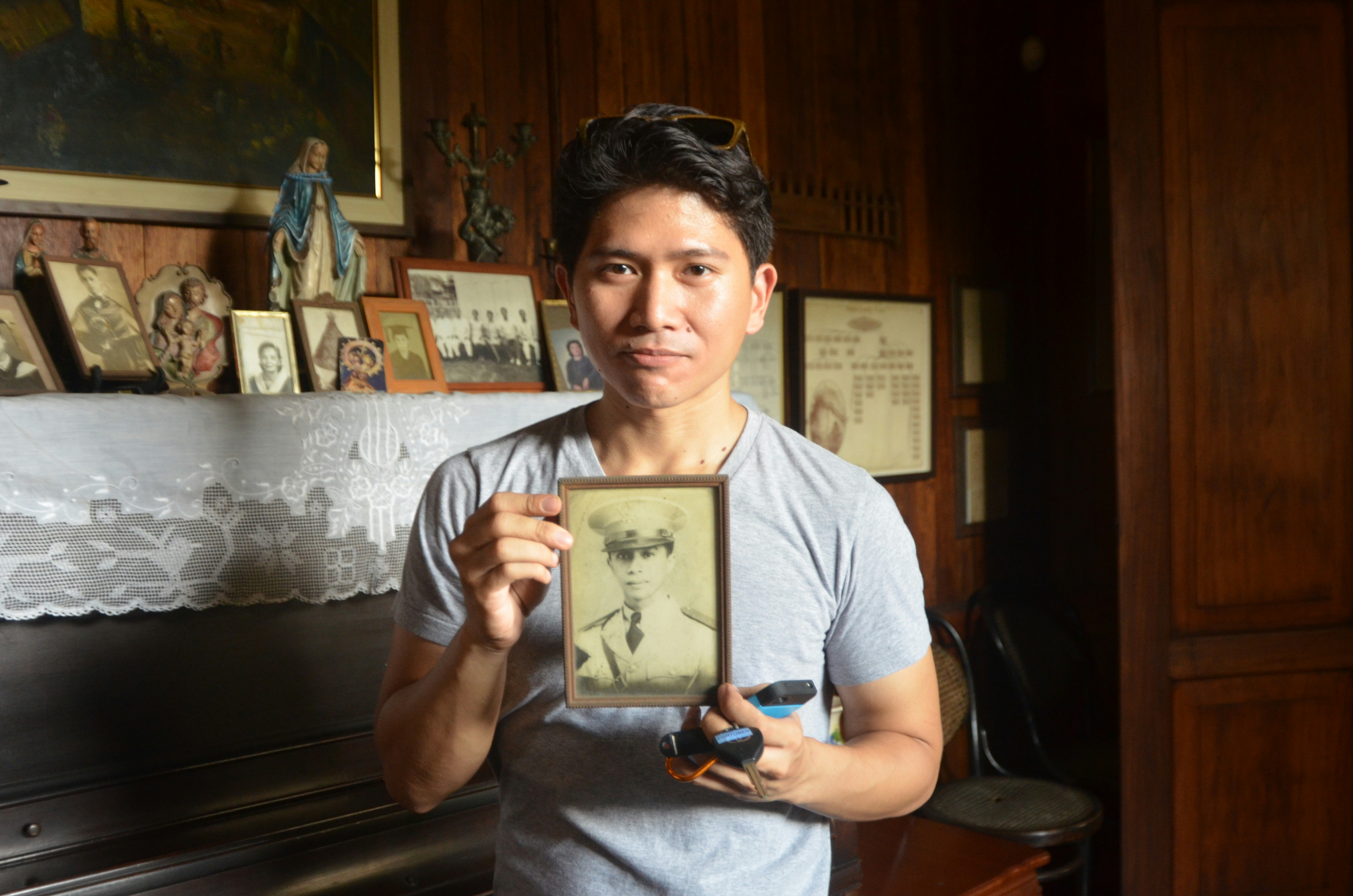


For Filipino-Americans living thousands of miles away from the archipelago, home transforms into a sanctuary where Filipino home traditions come alive through intentional design choices and meaningful décor. In a country where assimilation pressures can be overwhelming, the Filipino diaspora has mastered the art of weaving their rich cultural heritage into every corner of their living spaces, creating environments that nurture identity and pass down traditions to future generations.
Sacred Spaces and Family Altars
Creating the Santo Corner
In countless Filipino-American homes across the United States, the santo corner or family altar stands as the spiritual heart of the household. These sacred spaces, typically positioned in living rooms or bedrooms, feature collections of religious figurines, blessed candles, rosaries, and family prayer cards that have often traveled across oceans. The santo corner embodies Filipino tradition and devotion, bringing faith into daily life and maintaining spiritual connections that transcend geographical boundaries.
Many Filipino families arrange their altars with specific intentionality, placing statues of the Santo Niño, the Virgin Mary, and other patron saints alongside photographs of deceased relatives. Fresh flowers, often sampaguita when available, or white roses as substitutes, adorn these spaces during special occasions and religious holidays. The practice of maintaining these altars teaches younger generations about Filipino Catholic traditions while providing a focal point for family prayers and reflections.
Ancestral Honor Through Display
Beyond religious imagery, Filipino homes abroad frequently feature elaborate displays honoring ancestors and extended family members. Large framed photographs of grandparents, great-grandparents, and other family patriarchs and matriarchs occupy prominent wall spaces, creating visual family trees that remind children and grandchildren of their lineage. These photographs often include formal portraits taken in the Philippines, wedding pictures, and graduation photos that celebrate family achievements across generations.
The placement of ancestral photos follows traditional Filipino values of kapamilya (family-centeredness), where honoring elders remains paramount even after death. During important family gatherings, younger family members are encouraged to acknowledge these photographs, maintaining the Filipino tradition of respect for elders that might otherwise be diluted in American culture.
Traditional Textiles and Handwoven Heritage
Preserving Textile Traditions
Filipino home traditions shine brightly through the strategic use of traditional textiles, which add both beauty and cultural significance to living spaces. Handwoven banig mats, crafted from pandan leaves or buri palm, serve as wall hangings, table runners, or floor coverings that instantly transform any room into a space with Filipino character. These mats, often brought directly from the Philippines or purchased from Filipino specialty stores in the United States, carry stories of regional craftsmanship and traditional weaving techniques.
Barong Tagalog shirts, whether vintage pieces belonging to family patriarchs or newer versions purchased for special occasions, frequently find new life as framed artwork or displayed in shadow boxes. The intricate embroidery and delicate piña or jusi fabric showcase Filipino textile artistry while serving as conversation starters about Filipino formal wear traditions and the significance of the national costume.
Regional Textile Representations
Many Filipino-American families take pride in displaying textiles that represent their specific regional origins within the Philippines. Malong fabrics from Mindanao add vibrant colors to living rooms, while Abel Iloco weavings from the northern regions provide sophisticated patterns for table settings and wall décor. These regional textiles help maintain connections to specific Filipino provinces and remind family members of their particular geographical and cultural origins within the broader Filipino identity.
The integration of these textiles into American home décor requires creativity and cultural sensitivity. Many families work with interior designers who understand the significance of these pieces, ensuring they're displayed prominently while complementing contemporary American furniture and design aesthetics.
Symbolic Objects and Generational Treasures
Kitchen Culture and Traditional Implements
The Filipino-American kitchen often serves as a cultural preservation center where traditional cooking implements and serving pieces maintain their functional and symbolic roles. Kawali (wok-style pans), wooden rice paddles, and coconut graters passed down through generations occupy places of honor in kitchen displays, connecting daily meal preparation to ancestral cooking methods.
Traditional serving pieces, including bangkong (wooden bowls), ceramic plates with Filipino motifs, and hand-carved serving utensils, transform everyday dining into cultural experiences. These items often emerge during special family gatherings, reinforcing the connection between Filipino food traditions and the vessels used to prepare and serve them.
Musical Instruments and Artistic Expressions
Filipino musical instruments, particularly kulintang gongs, guitars, and traditional percussion instruments, often find decorative homes in Filipino-American living spaces. Even when family members don't actively play these instruments, their presence serves as a reminder of Filipino musical heritage and the importance of artistic expression in Filipino culture.
Paintings depicting Philippine landscapes, jeepneys, or traditional Filipino scenes create visual connections to the homeland while supporting Filipino-American artists who specialize in cultural themes. These artistic elements help younger generations visualize the Philippines and understand its cultural geography even if they haven't visited the country.
Seasonal Celebrations and Decorative Adaptations
Parol and Christmas Traditions
During the Christmas season, Filipino diaspora culture comes alive through the prominent display of parol (Filipino Christmas lanterns) that illuminate windows and entryways with their distinctive star shapes and vibrant colors. These handcrafted lanterns, whether purchased from Filipino artisans in the United States or carefully shipped from the Philippines, transform American neighborhoods into extensions of Filipino Christmas traditions.
Many Filipino-American families take pride in creating elaborate parol displays that rival their neighbors' traditional American Christmas decorations, using their holiday décor as opportunities to share Filipino culture with their broader communities. The process of hanging parol becomes a family tradition that bridges Filipino Christmas customs with American holiday celebrations, just as families adapt Filipino celebrations abroad to fit their new cultural contexts.
Year-Round Cultural Celebrations
Beyond Christmas, Filipino homes maintain decorative elements that honor other important cultural celebrations throughout the year. During Flores de Mayo, families might display fresh flowers and religious imagery more prominently. Independence Day celebrations in June feature Philippine flags, patriotic colors, and historical memorabilia that remind family members of Filipino national pride and the historical struggles for freedom.
These seasonal adaptations require careful storage and curation of cultural items, with many Filipino-American families dedicating specific storage spaces to their collection of celebration-specific décor, treating these items as valuable cultural investments rather than simple decorations.
Preserving Heritage Through Home Design
The Filipino-American home serves as a powerful testament to the resilience and creativity of diaspora communities who refuse to let distance diminish their cultural connections. Through thoughtful interior design choices, meaningful décor arrangements, and the careful preservation of traditional objects, Filipino families abroad create spaces that nurture cultural identity while embracing their American experiences.
Visit United Tribes today to learn more about Filipino culture and community connections that celebrate the rich heritage of Filipino-Americans across the United States.


