
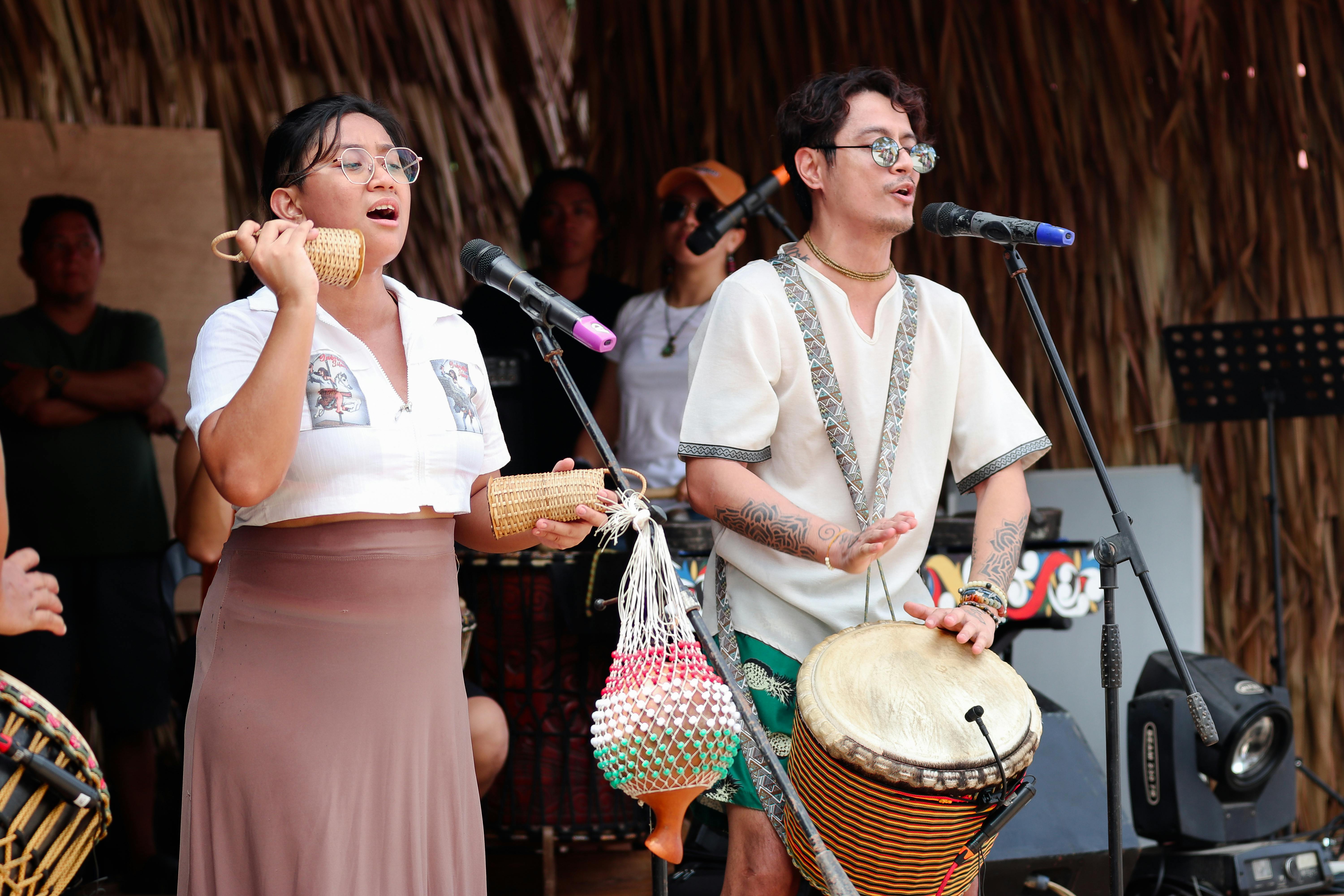


Music serves as a powerful bridge between past and present, connecting Filipino communities across the United States to their rich cultural heritage while simultaneously creating new sounds that reflect the modern Filipino-American experience. From the soulful melodies of traditional kundiman to the innovative beats of contemporary Filipino bands performing in cities nationwide, Filipino music represents a vibrant tapestry that continues to evolve and flourish in diaspora communities.
The journey of Filipino musical expression in America tells a story of preservation, adaptation, and innovation. As Filipino immigrants and their descendants have established roots throughout the country, they've carried with them centuries-old musical traditions while also embracing new genres and creating fusion sounds that speak to their unique position between two cultures.
The Roots of Filipino Musical Heritage in America
Filipino musical traditions arrived in the United States through waves of immigration, each bringing distinct regional sounds and cultural practices. The early Filipino communities, particularly those formed by farmworkers and military personnel, established cultural centers where traditional music served as both entertainment and a vital connection to home.
Kundiman, often referred to as the Filipino art song, holds particular significance in this musical preservation. Characterized by its distinctive melodic structure and deeply emotional lyrics, kundiman traditionally explores themes of love, patriotism, and longing. In Filipino-American communities, these songs took on additional layers of meaning, expressing the complex emotions of displacement, hope, and cultural identity that define the immigrant experience.
Regional folk traditions also found new life in American Filipino communities. Harana, the traditional serenade practice, has been adapted to suburban American settings while maintaining its romantic and social functions. Folk dances like tinikling and their accompanying music have become centerpieces of cultural festivals and community celebrations, ensuring that younger generations remain connected to their ancestral traditions.
The preservation of these traditional forms required dedicated community effort. Filipino-American cultural organizations established music schools and performance groups, creating structured environments where children could learn traditional instruments like the rondalla guitars, banduria, and octavina. These institutions became crucial in maintaining authentic musical practices while allowing for creative interpretation and evolution.
Contemporary Filipino Bands Shaping the American Music Scene
Modern Filipino bands in the United States have created a dynamic musical landscape that spans multiple genres while maintaining cultural connections. From rock and hip-hop to electronic and indie folk, Filipino-American artists have established themselves across the musical spectrum, bringing unique perspectives and sounds to the mainstream American music scene.
Ruby Ibarra stands as a prominent example of how Filipino-American artists blend cultural heritage with contemporary expression. Her bilingual rap performances incorporate Tagalog phrases and Filipino cultural references, creating music that speaks directly to the Filipino-American experience while remaining accessible to broader audiences. Her work exemplifies how modern Filipino musicians balance cultural authenticity with artistic innovation.
Saweetie, though working primarily in mainstream hip-hop, frequently references her Filipino heritage and has become a visible representation of Filipino-American success in popular music. Her prominence highlights how Filipino-American artists are increasingly embracing their cultural identity as a source of strength and distinctiveness, rather than something to be minimized.
Filipino-American Music Festivals and Community Events
Filipino music in the USA thrives through community-organized festivals and events that celebrate both traditional and contemporary expressions. The Pistay Dayat festivals held in various California cities feature traditional Filipino music alongside modern Filipino-American artists, creating intergenerational musical dialogues that strengthen community bonds.
Los Angeles, home to one of the largest Filipino populations outside the Philippines, hosts numerous venues where Filipino bands regularly perform. The Historic Filipinotown area has become a hub for Filipino musical expression, with clubs and concert halls featuring a diverse range of performances, from traditional folk ensembles to cutting-edge Filipino-American rock bands.
The Digital Revolution and Filipino Music Distribution
Social media and streaming platforms have revolutionized how Filipino music reaches audiences and builds communities. Filipino-American musicians now utilize platforms like YouTube, Instagram, and TikTok to share their music directly with global audiences, thereby bypassing traditional gatekeepers and fostering authentic connections with listeners.
Bella Poarch, although primarily known as a social media personality, exemplifies how Filipino Americans use digital platforms to achieve mainstream success while maintaining cultural connections. Her music career, launched from her massive social media following, demonstrates new pathways for Filipino-American artists to build careers in the American music industry.
Streaming platforms have also made traditional Filipino music more accessible to younger Filipino-Americans who might not have encountered these sounds through family or community channels. Curated playlists featuring both classic kundiman and contemporary Filipino-American artists help listeners discover the full spectrum of Filipino musical expression.
Digital distribution has enabled Filipino-American musicians to collaborate across geographic boundaries, creating music that connects Filipino communities from Hawaii to New York. These collaborations often blend regional Filipino musical traditions with local American influences, producing truly unique sounds that could only emerge from diaspora communities.
Cultural Fusion and Musical Innovation
The evolution of Filipino bands in America showcases remarkable cultural fusion, where traditional Filipino elements merge with American musical genres to create entirely new sounds. This fusion represents more than a simple combination; it reflects the complex cultural navigation that defines the Filipino-American experience.
Bayang Barrios, though originally from the Philippines, has significantly influenced Filipino music through her performances of indigenous Ibaloi songs in American venues. Her work demonstrates how traditional Filipino music can find new audiences and contexts while maintaining its spiritual and cultural integrity.
Hip-hop has provided a particularly fertile ground for Filipino-American musical innovation. Artists incorporate Filipino languages, cultural references, and traditional melodic elements into contemporary hip-hop frameworks, creating music that speaks to urban Filipino-American experiences while contributing to the broader evolution of American hip-hop culture.
Jazz fusion has also embraced Filipino musical elements, with Filipino-American musicians bringing traditional rhythmic patterns and melodic structures into sophisticated jazz compositions. This integration demonstrates the adaptability and richness of Filipino musical traditions when placed in dialogue with other cultural forms.
The fusion phenomenon extends beyond professional musicians to community-level musical creation. Church choirs in Filipino-American communities often blend traditional Filipino religious music with American gospel and contemporary Christian styles, creating worship experiences that reflect the bicultural identities of their congregants. Much like how Filipino celebrations adapt to American contexts, these musical fusions demonstrate the creative ways Filipino communities maintain cultural connections while embracing their American environments.
Educational Institutions and Musical Preservation
Universities and community colleges across the United States have begun recognizing the importance of Filipino musical traditions, establishing programs that study and preserve these cultural expressions. The University of California system, serving areas with significant Filipino populations, has developed ethnomusicology programs that include Filipino music studies, ensuring the academic preservation of Filipino music alongside its community-based transmission.
These educational initiatives serve multiple functions. They provide legitimacy and a scholarly framework for Filipino musical traditions, conduct research that documents and analyzes these cultural expressions, and train new generations of musicians and scholars who can continue preservation and innovation efforts.
Community music schools have also played crucial roles in maintaining Filipino musical traditions. Organizations like the Filipino American Symphony Orchestra (FASO) offer instruction in both traditional Filipino instruments and Western classical music, creating musicians who can bridge cultural and stylistic boundaries with equal skill.
The educational dimension encompasses cultural workshops and masterclasses presented during Filipino cultural festivals. These events often feature visiting artists from the Philippines working alongside Filipino-American musicians, creating learning opportunities that connect diaspora communities with contemporary developments in Philippine music.
Regional Variations and Local Scenes
Filipino music across the United States varies significantly across different regions, reflecting both the diverse origins of Filipino immigrants and the distinct characteristics of their new American communities. The West Coast, particularly California and Hawaii, features music scenes heavily influenced by traditional Filipino folk forms and contemporary Philippine popular music.
Hawaii's Filipino music scene reflects the islands' unique multicultural environment, where Filipino music blends with Hawaiian, Portuguese, and other Pacific Islander traditions. Filipino musicians have adapted the slack-key guitar techniques popular in Hawaiian music to create hybrid sounds that reflect the complex cultural mixing that defines Hawaiian Filipino communities.
The East Coast Filipino music scene, centered in cities such as New York and Washington, D.C., tends toward more urban contemporary expressions, with Filipino-American artists working primarily in hip-hop, R&B, and indie rock genres. These regional differences illustrate how local American musical cultures influence Filipino musical expression, while Filipino traditions simultaneously contribute to the development of local music scenes.
Texas and the American South have developed Filipino music scenes that incorporate country, blues, and Southern rock influences, creating some of the most unexpected and innovative fusion sounds in Filipino-American music. These regional variations showcase the adaptability of Filipino musical traditions and the creativity of Filipino-American musicians in responding to their local environments.
The Future of Filipino Music in America
The trajectory of Filipino music points toward continued growth and diversification, with new generations of Filipino-American musicians pushing creative boundaries while maintaining cultural connections. Emerging artists are increasingly viewing their Filipino heritage as an asset rather than something to overcome, leading to more confident and authentic cultural expressions in their music.
Technology continues to transform the way Filipino music reaches audiences and fosters communities. Virtual reality concerts, AI-assisted music production, and blockchain-based music distribution platforms present new opportunities for Filipino-American musicians to share their work and connect with global audiences.
The growing recognition of Filipino contributions to American culture suggests that Filipino music will gain greater mainstream visibility in the years to come. Major music festivals are increasingly featuring Filipino-American artists, and music industry organizations have begun to acknowledge the importance of Filipino musical traditions in the broader American cultural landscape.
The relationship between Filipino-American artists and contemporary Filipino bands demonstrates how traditional and modern forms can coexist and mutually enrich each other. This approach ensures that Filipino music in America will continue to honor its roots while embracing innovation and change, much like the resilient spirit that characterizes Filipino-American responses to challenges.
Celebrating Filipino Musical Heritage in America
Filipino music in the United States represents a remarkable journey of cultural preservation, adaptation, and innovation that continues to evolve with each new generation. From the deeply emotional strains of traditional kundiman to the boundary-pushing sounds of contemporary Filipino-American bands, this musical landscape reflects the complex experiences of Filipino communities as they build lives between two cultures.
Visit United Tribes today and discover more about Filipino culture and community, including the vibrant musical traditions that connect Filipino-Americans to their heritage while contributing to America's diverse cultural landscape.


