
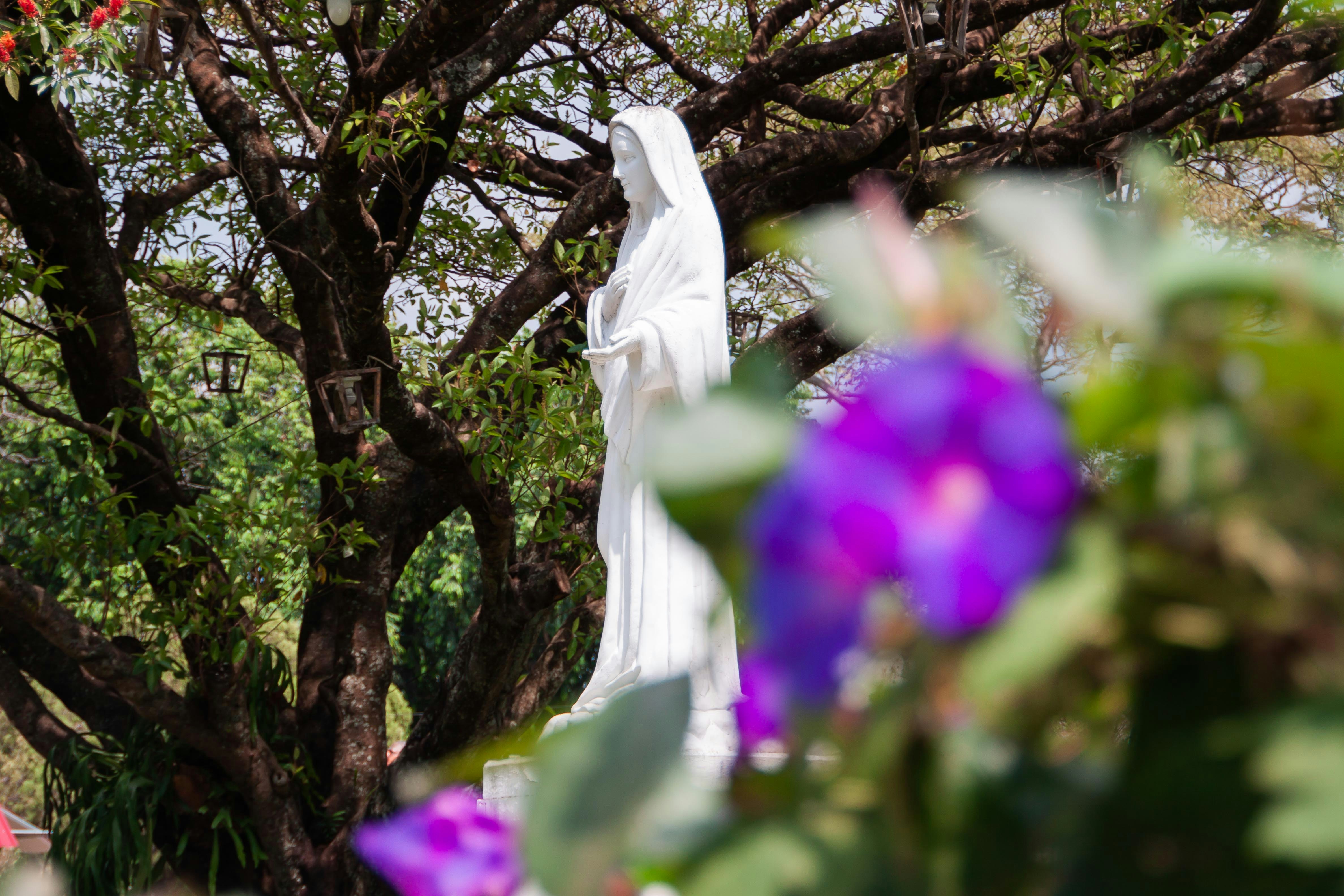

As spring arrives across Filipino-American communities in the United States, April marks the beginning of intense preparations for one of the most beloved religious and cultural celebrations: Santacruzan. This traditional procession honoring the search for the Holy Cross combines deep Catholic faith with vibrant Filipino cultural pageantry, creating a spectacular event that brings together generations of Filipino families.
Understanding Santacruzan's Cultural Significance in America
The Santacruzan procession tells the story of Queen Helena and her son, Emperor Constantine, and their search for the True Cross in Jerusalem. In the Philippines, this celebration has been a cornerstone of May festivities for centuries. Still, its adaptation to American Filipino communities has created unique traditions that blend homeland customs with diaspora innovation.

Welcome to United Tribes
Where Filipino Culture Comes Alive
Join Your Tribe
Connect with your people
Discover Events
Watch parties & festivals
Find Filipino Businesses
Restaurants, markets & more
Earn Crown Credits
Get rewarded for engaging
Filipino cultural pageantry takes center stage during Santacruzan, featuring elaborately dressed participants portraying biblical and historical figures. The Reyna Elena (Queen Helena) serves as the celebration's centerpiece, typically portrayed by a young Filipina woman chosen for her grace and community involvement. Supporting her are various biblical queens and saints, each with specific symbolic meanings and costume requirements.
For Filipino-American families, participating in Santacruzan provides children with tangible connections to their heritage. The preparation process becomes an educational journey where young participants learn about Philippine history, Catholic traditions, and the importance of community cooperation. Many parents view their children's involvement as essential cultural education that complements their American upbringing.
Early April Planning and Community Organization
The organizational phase of Santacruzan begins immediately after Easter Sunday, with community leaders, church committees, and cultural organizations convening to establish the framework for this year's celebration. Filipino-American parishes across the country are starting to reach out to families, encouraging participation and beginning the careful process of role assignment.
Committee Formation represents the first crucial step, with experienced community members volunteering to oversee different aspects of the celebration. These committees typically include costume coordination, music and choreography, venue logistics, and community outreach. Veterans of previous Santacruzan celebrations often lead these groups, sharing their expertise with newcomers and ensuring traditional elements remain authentic.
Participant Recruitment becomes a community-wide effort, with churches, Filipino-American organizations, and social media groups spreading the word about upcoming celebrations. Families with young daughters often eagerly anticipate their children's participation, viewing it as a rite of passage within the Filipino-American community.
The selection process for major roles, particularly Reyna Elena, varies by community but typically considers the participant's level of commitment, family involvement in the community, and ability to fulfill the role's responsibilities. Some communities hold informal nominations, while others rotate opportunities among interested families.
Costume Design and Preparation Process
The creation of Santacruzan costumes represents one of the most labor-intensive and creatively fulfilling aspects of preparation. These elaborate gowns require months of planning, sourcing materials, and skilled craftsmanship, often involving multiple family members and community seamstresses.
Traditional Elements must be maintained even as communities adapt to American resources and availability. Each biblical queen requires specific colors, symbols, and design elements that correspond to her historical or religious significance. Reyna Elena's gown typically features rich purples, golds, and whites, often incorporating Filipino textiles like piña or jusi when available.
Filipino-American families often begin costume preparation by consulting with community elders who remember traditional designs from the Philippines. These consultations ensure authenticity while allowing creative adaptations that accommodate the availability of American fabric and contemporary sewing techniques.
Material Sourcing presents unique challenges for diaspora communities. Many families coordinate group purchases of specialty fabrics from Philippine importers or plan shopping trips to areas with large Filipino populations where traditional materials are more readily available.
Community Rehearsals and Choreography
Filipino community events spring preparations intensify as May approaches, with weekly rehearsals becoming central to community life. These gatherings serve multiple purposes: ensuring the smooth execution of the procession, building participants' confidence, and strengthening community bonds through shared preparation.
Choreography Development
The Santacruzan procession follows specific traditional patterns that must be adapted to American venues and local regulations. Communities work closely with church leadership and local authorities to map procession routes that accommodate traffic patterns, safety requirements, and venue limitations while maintaining the celebration's spiritual significance.
Processional Order follows centuries-old traditions, with specific biblical queens appearing in predetermined sequence. Participants must learn not only their individual roles but also their position relative to others, creating a flowing narrative through movement and positioning.
Music coordination represents another crucial element, with communities choosing between traditional Filipino processional hymns and American Catholic alternatives. Many communities opt for bilingual celebrations that honor both Filipino heritage and American Catholic traditions, requiring additional rehearsal time to ensure smooth transitions between languages.
Youth Integration and Cultural Education
Rehearsals provide invaluable opportunities for cultural transmission, with Filipino-American youth learning about their heritage through active participation. Elder community members often share stories about Santacruzan celebrations in the Philippines, helping young participants understand the deeper significance of their roles.
Language Learning naturally occurs during rehearsals, as participants encounter Filipino religious terms, song lyrics, and ceremonial phrases. For many Filipino-American children, Santacruzan preparation provides their most intensive exposure to Filipino language and cultural concepts.
The intergenerational nature of rehearsals strengthens community cohesion, with teenagers helping younger children while learning from adult mentors. This natural mentorship system ensures the continuity of tradition while allowing for organic adaptation to American contexts.
Modern Adaptations and Digital Integration
Contemporary Santacruzan traditions increasingly incorporate digital elements that enhance community participation and cultural sharing. Social media platforms allow Filipino-American communities nationwide to share preparation updates, exchange costume ideas, and coordinate resources across geographic boundaries.
Virtual collaboration has become particularly valuable for smaller communities with limited local expertise. Experienced costume designers from established Filipino enclaves often offer online consultations to communities staging their first Santacruzan celebrations or seeking to enhance the accuracy of their traditional attire.
Live streaming capabilities enable extended family members in the Philippines or other American cities to participate virtually in celebrations, strengthening diaspora connections and maintaining homeland relationships. These digital connections often inspire conversations about cultural preservation and adaptation that inform future celebration planning.
The integration of contemporary Filipino-American experiences into traditional celebrations reflects the dynamic nature of diaspora culture. While maintaining core religious and cultural elements, communities adapt presentation styles, venue choices, and participation methods to reflect their American contexts while preserving essential Filipino identity markers.
As spring progresses and May celebrations approach, Filipino-American communities across the United States demonstrate the vibrant resilience of cultural traditions in diaspora settings. Through dedicated preparation involving costume creation, community rehearsals, and intergenerational collaboration, Filipino cultural celebrations continue to strengthen community bonds while adapting to American contexts.
Preserving Filipino Heritage Through Celebration
The months of preparation leading up to Santacruzan celebrations in Filipino-American communities represent the active preservation and evolution of cultural identity in diaspora settings. Through costume creation, community rehearsals, and collaboration, these spring preparations strengthen bonds among families, elders, and youth while ensuring that traditional Filipino Catholic celebrations continue to thrive on American soil.
Visit United Tribes today to learn more about Filipino culture and community celebrations near you.


