
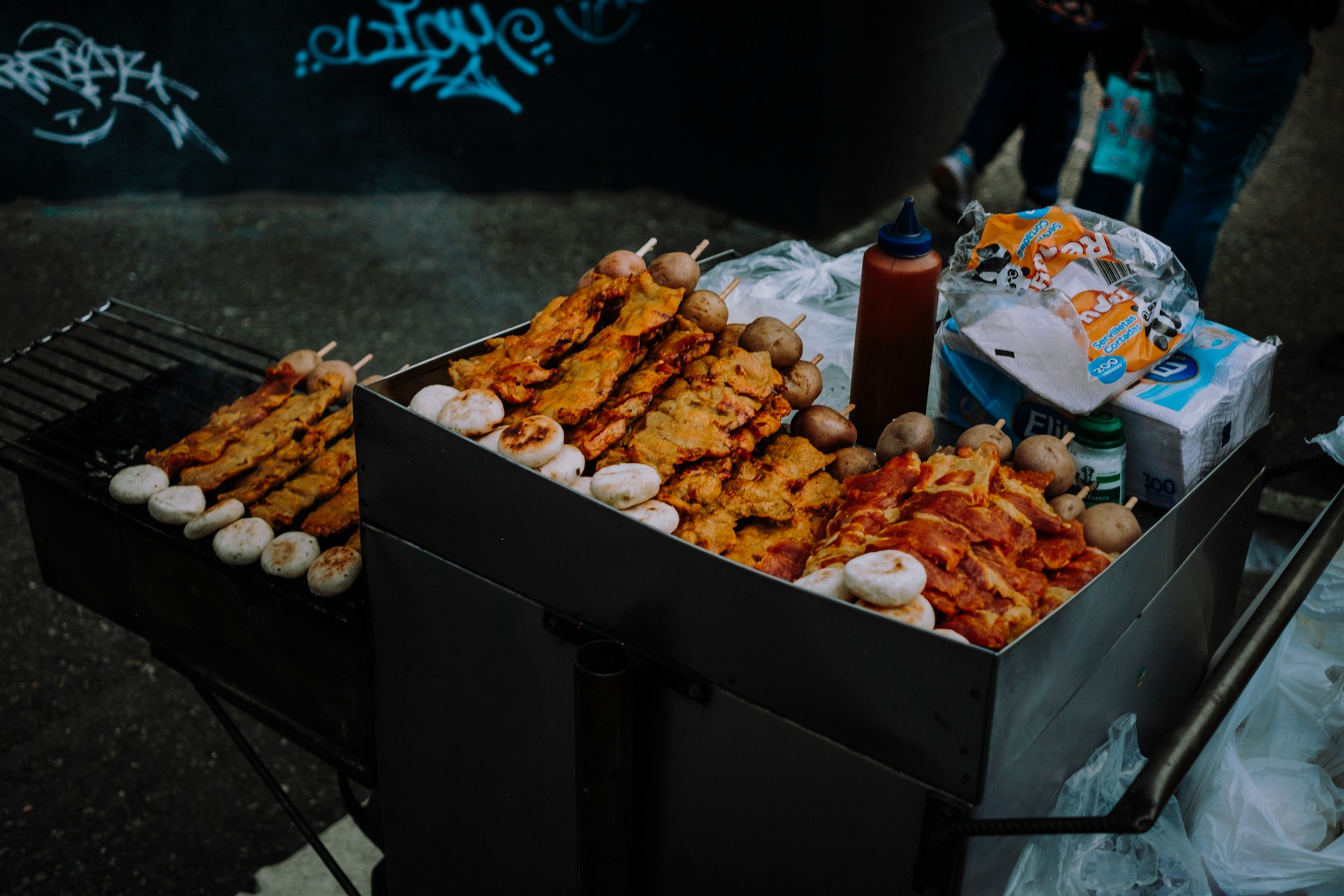

The vibrant world of Filipino street food is making its mark across America, bringing bold flavors and adventurous eating experiences to mainstream food culture. From bustling food festivals in Los Angeles to cultural events in New York, iconic Filipino snacks like balut, isaw, and kwek-kwek are capturing the curiosity and taste buds of Americans nationwide. This culinary movement is a celebration of Filipino heritage and a bridge connecting generations of Filipino-Americans to their cultural roots.
The Rise of Filipino Street Food Culture in America
Filipino street food in the United States has experienced remarkable growth over the past decade, with Filipino-American communities organizing festivals and events that showcase traditional street food culture. These gatherings serve as cultural ambassadors, introducing non-Filipino Americans to the rich culinary traditions that have sustained Filipino communities for generations.

Welcome to United Tribes
Where Filipino Culture Comes Alive
Join Your Tribe
Connect with your people
Discover Events
Watch parties & festivals
Find Filipino Businesses
Restaurants, markets & more
Earn Crown Credits
Get rewarded for engaging
Food festivals across major cities now feature dedicated Filipino street food sections, where vendors serve everything from balut to kwek-kwek, creating authentic experiences that transport visitors to the bustling streets of Manila or Cebu. The Filipino-American community, now numbering over 4 million people across the United States, has been instrumental in preserving and promoting these culinary traditions through organized events and cultural celebrations.
Regional Hotspots for Filipino Street Food
California leads the way in Filipino street food innovation, with cities like Daly City, Carson, and portions of Los Angeles hosting regular Filipino food festivals. The annual Filipino Food Festival in San Francisco draws thousands of visitors eager to experience authentic street food culture. Hawaii, with its significant Filipino population, has integrated these snacks into local food truck scenes and cultural events.
The East Coast has also embraced this culinary movement, with New York's Queens borough becoming a hub for Filipino street food vendors and pop-up events. Filipino cultural centers and community organizations regularly host events featuring traditional snacks, helping maintain cultural connections while introducing these foods to broader audiences.
Balut: America's Most Talked-About Filipino Snack
Balut, the partially developed duck embryo, has become the most recognized Filipino street food in America, though often for its shock value rather than its culinary merit. This traditional snack, typically enjoyed with salt, chili, or vinegar, represents the adventurous spirit of Filipino cuisine and has found its way into American food challenges and cultural documentaries.
Filipino-American families often use balut as a cultural touchstone, sharing stories of childhood experiences in the Philippines while introducing younger generations to this protein-rich snack. Food festivals featuring balut-eating contests have become popular attractions, drawing curious crowds and brave participants willing to embrace Filipino food culture.
Cultural Significance and Preparation
Beyond its reputation as an extreme food, balut holds deep cultural significance in Filipino communities. Traditionally believed to provide stamina and nutritional benefits, balut represents comfort food for many Filipino immigrants. The proper way to enjoy balut is to sip the broth first, then eat the yolk and embryo. This process has become a cultural lesson shared at community events and Filipino restaurants across America.
Isaw and Other Grilled Filipino Street Foods
Isaw, or grilled intestines of chicken or pork, represents the Filipino approach to nose-to-tail eating long before it became trendy in American culinary circles. These skewered delicacies, often marinated in soy sauce, vinegar, and spices, showcase the Filipino talent for transforming simple ingredients into flavorful experiences.
Filipino barbecue culture has found enthusiastic audiences at American food festivals, where the sight and aroma of isaw grilling over open flames attract both Filipino-Americans seeking nostalgic flavors and curious food adventurers. The communal aspect of enjoying isaw, sharing it among friends over cold drinks, mirrors the social dining culture that defines Filipino food experiences.
Expanding the Grilled Food Category
Alongside isaw, other popular Filipino street foods include betamax (grilled chicken blood), adidas (chicken feet), and helmet (chicken head). These items, while challenging for some American palates, represent the resourceful and waste-conscious approach to cooking that characterizes traditional Filipino cuisine.
Kwek-kwek and Other Fried Filipino Favorites
Kwek-kwek, deep-fried quail eggs coated in orange batter, brings a playful element to Filipino street food culture in America. Often served alongside tokneneng (the chicken egg version), these bite-sized snacks demonstrate the Filipino mastery of creating satisfying comfort foods from simple ingredients.
The bright orange color of kwek-kwek makes it instantly recognizable at food festivals and Filipino cultural events. Served with spiced vinegar or sweet and sour sauce, these crispy treats appeal to American tastes while maintaining their authentic Filipino character.
Street Food Accompaniments and Sauces
The success of Filipino snacks in America often depends on the accompanying sauces and seasonings. Traditional dipping sauces like spiced vinegar with chili and garlic, or sweet and tangy sauces made from banana ketchup, provide flavor profiles that complement the fried and grilled street foods perfectly.
Impact on American Food Festivals and Events
Filipino street food has become a staple at multicultural food festivals across America, contributing to the growing appreciation for Southeast Asian cuisines. Events like the annual Night Market festivals in various cities now feature Filipino street food vendors alongside other Asian cuisines, creating opportunities for cultural exchange and culinary education.
These festivals serve multiple purposes: they provide Filipino-Americans with access to traditional foods, introduce non-Filipino audiences to new flavors and cooking techniques, and support Filipino-owned small businesses and food vendors. The success of Filipino street food at these events has encouraged more entrepreneurs to launch food trucks and catering services specializing in traditional Filipino snacks.
Educational and Cultural Value
Beyond entertainment, these food festivals serve as informal cultural education centers where visitors learn about Filipino history, traditions, and values through food. Many vendors take time to explain the origins and cultural significance of dishes like balut and isaw, helping dispel misconceptions while building appreciation for Filipino culinary heritage.
The Future of Filipino Street Food in America
The trajectory of Filipino street food in the United States points toward continued growth and mainstream acceptance. As younger Filipino-Americans embrace their cultural heritage and non-Filipino Americans develop more adventurous palates, traditional snacks like balut, kwek-kwek, and isaw are finding permanent places in America's diverse food landscape.
Social media has played a crucial role in this expansion, with food bloggers and cultural influencers sharing their experiences with Filipino street food, often leading to increased interest and attendance at Filipino cultural events and festivals.
Celebrating Filipino Culinary Heritage
Filipino street food in America represents the powerful expression of cultural identity and community connection. From the notorious balut to the beloved kwek-kwek, these traditional snacks are building bridges between Filipino heritage and American food culture, creating new opportunities for cultural understanding and appreciation.
The growing presence of Filipino street food at festivals and cultural events demonstrates the vital role that food plays in preserving and sharing cultural traditions. As these flavors continue to gain recognition and acceptance, they contribute to America's rich multicultural culinary landscape while strengthening Filipino-American community bonds.
Visit United Tribes today and discover more about Filipino culture and community events that celebrate this incredible culinary heritage across America.
Make United Tribes Your Preferred Source
Add United Tribes on Google to get the latest stories, cultural updates, and community events directly in your Google Search and Top Stories.


