
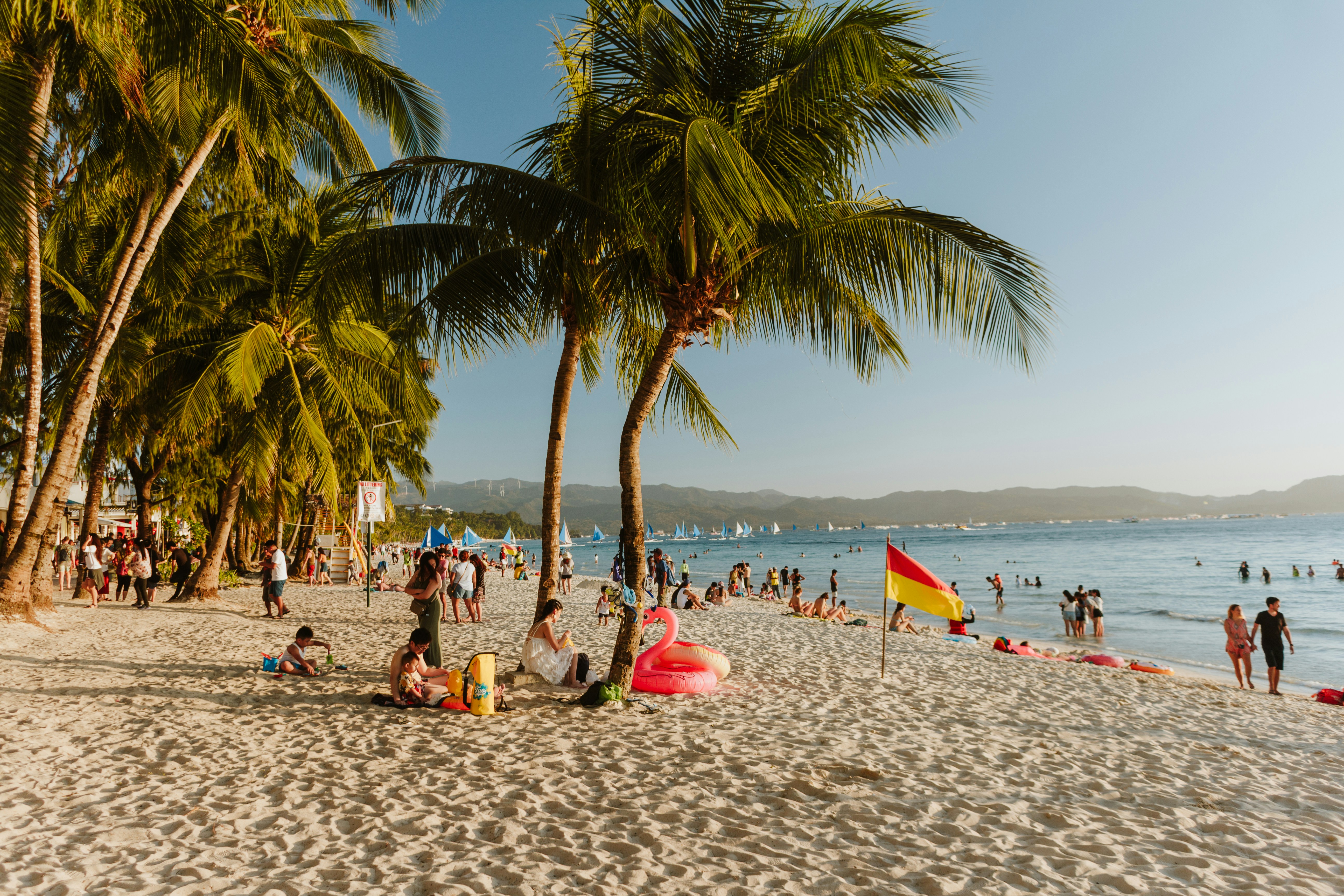

March in the Philippines carries a unique energy that's hard to describe to outsiders. It's not quite the blazing heat of May, nor the comfortable coolness of February, but something in between that signals a definitive shift. For Filipino families, March marks the unofficial start of summer, with subtle shifts in daily routines, food choices, and weekend plans that collectively build anticipation for the warmer months ahead.
The Revival of Cooling Merienda Traditions
Filipino merienda culture takes on a distinctly different character as temperatures rise in March. The heavy, warm snacks of the cooler months gradually give way to lighter, more refreshing options that provide both sustenance and relief from the increasing heat. Street vendors begin stocking their carts with ingredients for cold treats, while neighborhood stores dust off their ice cream freezers in preparation for the months ahead.

Welcome to United Tribes
Where Filipino Culture Comes Alive
Join Your Tribe
Connect with your people
Discover Events
Watch parties & festivals
Find Filipino Businesses
Restaurants, markets & more
Earn Crown Credits
Get rewarded for engaging
Mais con yelo becomes a common sight again, with vendors pushing their colorful carts through neighborhoods, their bells announcing the arrival of this beloved corn and milk treat. The sound alone triggers a Pavlovian response in Filipino children, who know that summer is truly beginning when these familiar melodies fill the air. Similarly, fresh buko juice vendors position themselves strategically near schools and busy intersections, their coolers filled with young coconuts that promise immediate relief from the mounting heat.
The transformation extends to home kitchens as well, where mothers begin preparing various types of kakanin better suited to warmer weather. Traditional seasonal food preparations shift from hearty, warming dishes to lighter fare that won't add to the household's heat burden. Bibingka and puto bumbong, popular during the cooler Christmas season, give way to fresh lumpia and cold desserts that require minimal cooking time.
Taho vendors also become more frequent during this time, as the sweet soy pudding offers the perfect balance of comfort and cooling relief. The familiar call of "Tahoooo!" echoes through subdivisions and apartment complexes with increasing frequency, marking another reliable indicator that the summer season is well underway.
Weekend Family Outings and Planning Traditions
March weekends in Filipino households buzz with a particular type of energy as families begin their annual tradition of scouting and planning for summer adventures. Filipino weekend outings during this month often serve dual purposes: enjoying the still-manageable weather while simultaneously researching destinations for the hotter months ahead.
Families pack into cars or jeepneys for day trips to nearby beaches, not necessarily for swimming, but to assess conditions, prices, and amenities for future overnight stays. Parents engage in serious conversations with resort owners about Holy Week availability, summer rates, and group accommodations. At the same time, children run along shorelines, building their excitement for the extended beach days to come.
Parks and recreational areas experience their own March surge as families seek outdoor activities before the weather becomes too intense for comfortable day-long excursions. Rizal Park, Burnham Park, and countless provincial equivalents welcome visitors taking advantage of the transition period between the cool and hot seasons. These outings often include extended picnics featuring foods that work well in moderate heat but might be impractical once temperatures soar.
School Calendar Rhythms and Their Cultural Impact
The academic calendar plays a crucial role in shaping Filipino summer traditions, as schools across the country begin preparing for their summer breaks. This period brings its own set of cultural practices and family dynamics that have remained consistent across generations.
Graduation Season Preparations
March marks the beginning of graduation season preparations, with families shopping for formal wear, booking photographers, and planning celebratory meals. The tradition of baccalaureate Masses and graduation parties creates a festive atmosphere that coincides with the seasonal shift in weather. Parents begin saving for graduation expenses while simultaneously planning summer activities for their soon-to-be-free children.
School-based events during March often incorporate summer themes, with festivals, sports days, and cultural presentations taking advantage of the improving weather. These activities serve as bridges between the academic year and the vacation period, helping students and families transition mentally from structured school days to a more relaxed summer schedule.
Summer Enrollment and Planning
The tradition of summer enrollment for the following school year also begins in March, with families visiting schools, comparing programs, and making educational decisions for their children. This process often involves multiple trips across cities or provinces, turning practical errands into family bonding experiences that showcase different communities and their local food specialties.
Summer class planning becomes another March tradition as parents research enrichment programs, swimming lessons, and skill-building workshops to keep their children occupied during the break.
Traditional Foods That Mark the Seasonal Shift
Beyond merienda, seasonal food traditions encompass broader changes in Filipino cooking and eating patterns in March. Home cooks begin adjusting their meal planning to accommodate rising temperatures while maintaining nutritional value and cultural authenticity.
Soup-based dishes have gradually become less common at dinner tables, replaced by fresh salads, grilled items, and room-temperature preparations that don't require extensive cooking. Kinilaw preparations have become more popular as families seek fresh, light meals that satisfy without adding extra heat in the kitchen.
The tradition of preserving fruits also intensifies during March, as mangoes, pineapples, and other seasonal fruits reach peak availability. Families engage in annual rituals of making dried fruits, fruit leather, and preserved treats that will last throughout the summer months. Filipino comfort food traditions adapt seamlessly to seasonal changes while maintaining their cultural significance and family-bonding aspects.
Beach Planning and Coastal Traditions
March is prime time for Filipino families to plan serious beach trips, a tradition that involves far more than simple vacation booking. The cultural significance of beach access in Filipino society means that summer coastal plans often involve extended family networks, community groups, and multi-generational coordination efforts.
Families begin reaching out to relatives with beach houses, negotiating dates for shared vacations that might accommodate dozens of people across multiple weeks. These planning conversations happen over Sunday lunches, during church gatherings, and through family group chats that are active throughout March.
The tradition of "advanced booking" is especially important during this period, as popular resorts and beach destinations fill up quickly for Holy Week and summer vacation periods. Filipino families understand that waiting until April means facing higher prices and limited availability, making March planning essential for successful summer experiences.
Community groups also coordinate their summer activities in March, with barangay associations, church organizations, and professional groups organizing trips that strengthen social bonds and provide affordable vacation options.
When families gather to discuss these beach plans, conversations often turn to bringing Filipino celebrations to new locations, ensuring that cultural traditions travel with them to coastal destinations and summer getaways.
The Psychology of Seasonal Anticipation
The Filipino March traditions that mark the beginning of summer serve deeper psychological purposes beyond simple weather adaptation. This transitional period provides families with shared goals, collaborative planning, and anticipatory excitement that strengthen family bonds and cultural connections.
The communal aspects of March preparations also reinforce Filipino cultural values of extended family involvement, community cooperation, and shared responsibility for collective happiness. When families coordinate summer plans with relatives and neighbors, they're participating in cultural practices that have sustained Filipino communities for generations.
Embracing Filipino Summer Season Beginnings
The Filipino March traditions that signal the approach of summer represent the cultural values of family connection, community cooperation, and anticipatory celebration that define Filipino life. From the revival of cooling merienda treats to the intensive beach planning sessions that bring families together, these seasonal rituals create lasting memories while preserving important cultural practices.
Visit United Tribes today and find out more about Filipino culture and community traditions that connect families across seasons and generations.


