
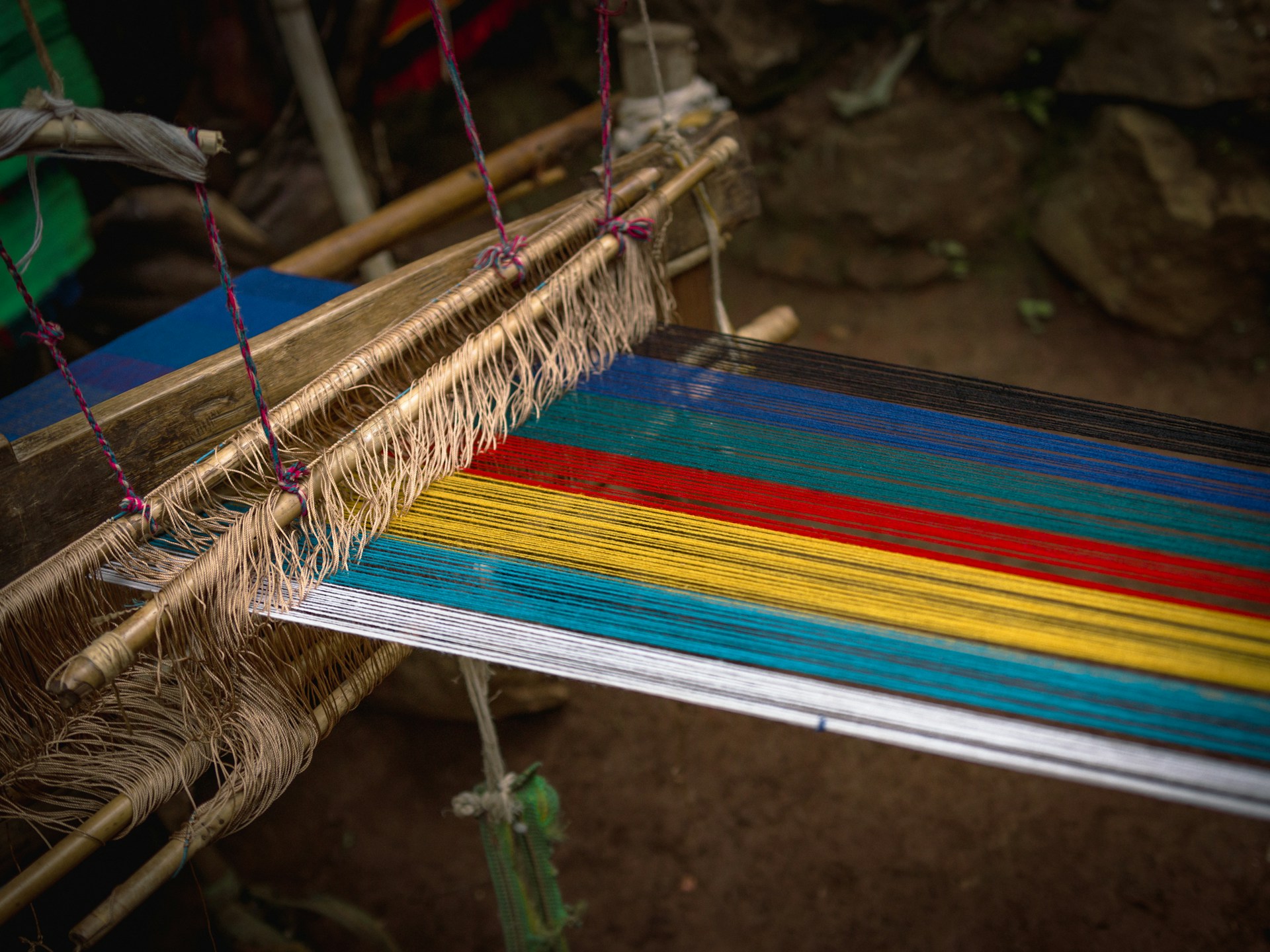

The art of Filipino weaving represents one of the most enduring and sophisticated craft traditions in Southeast Asia, with techniques passed down through countless generations. As Filipino communities have established roots across the United States, these ancient weaving practices have found new expression, blending traditional methods with contemporary American design sensibilities. From the humble banig mats that once graced every Filipino home to stunning modern installations in American galleries, Filipino weaving traditions continue to evolve while maintaining their cultural essence.
The story of traditional Filipino weaving tells a broader narrative of cultural preservation, entrepreneurial spirit, and artistic innovation. Today's Filipino-American weavers and designers are not merely preserving their heritage, but are also reimagining it for new audiences while honoring the techniques their ancestors perfected centuries ago.

Welcome to United Tribes
Where Filipino Culture Comes Alive
Join Your Tribe
Connect with your people
Discover Events
Watch parties & festivals
Find Filipino Businesses
Restaurants, markets & more
Earn Crown Credits
Get rewarded for engaging
Ancient Techniques Meet American Innovation
The foundation of Filipino craftsmanship in weaving rests on techniques that vary dramatically across the archipelago's 7,641 islands. Each region developed distinct methods, materials, and patterns that reflected local resources and cultural influences. The banig, perhaps the most recognizable Filipino woven product, traditionally used pandan leaves or buri palm strips to create sleeping mats that were both functional and beautiful.
In the United States, Filipino-American artisans have adapted these traditional techniques to work with locally available materials while maintaining the integrity of ancestral methods. Contemporary weavers often combine traditional pandan with American-sourced materials like cotton, hemp, and even synthetic fibers to create hybrid pieces that speak to the diaspora experience.
Traditional materials commonly used include pandan leaves, buri palm, abaca (Manila hemp), cotton, and bamboo strips. Each material requires specific preparation techniques that have been refined over generations. Pandan leaves, for instance, must be carefully dried and treated to achieve the right flexibility and durability for weaving.
The geometric patterns that characterize Filipino weaving often carry deep cultural significance. Diamond shapes might represent mountains or rice terraces, while zigzag patterns could symbolize water or lightning. Filipino-American artists have found creative ways to incorporate these meaningful patterns into contemporary designs that resonate with American audiences while maintaining their cultural authenticity.
Regional Weaving Traditions Across the Philippines
Different regions of the Philippines developed distinct weaving traditions that Filipino-Americans continue to practice and adapt in the United States. The Cordillera region in Northern Luzon is famous for its intricate backstrap loom weaving, producing textiles with complex geometric patterns in earth tones that reflect the mountainous landscape.
Ilocos Region Weaving Heritage
The Ilocos region developed the abel weaving tradition, creating textiles from cotton and later incorporating modern materials. Abel fabrics feature distinctive patterns and color combinations that Ilocano-Americans have adapted for contemporary fashion and home décor applications. In California's Central Valley, where many Ilocano families settled, weavers have established small workshops that produce both traditional abel and modern interpretations.
Mindanao Weaving Techniques
Southern Philippines, particularly Mindanao, contributed rich weaving traditions from various indigenous groups. The malong tradition, creating tubular garments that serve multiple purposes, has found new expression among Filipino-American designers who adapt the versatile garment concept for modern American lifestyles. These cylindrical textiles can function as skirts, blankets, or even baby carriers, demonstrating the practical ingenuity embedded in Filipino weaving traditions.
The t'nalak weaving tradition from the T'boli people uses abaca fibers to create textiles with intricate patterns that tell stories and convey spiritual beliefs, particularly from the dreams of their people. Filipino-American artists have drawn inspiration from these narrative textiles to create contemporary art pieces that explore themes of identity, migration, and cultural continuity.
Contemporary Filipino-American Weaving Artists
Across the United States, Filipino-American artists and entrepreneurs are building businesses and artistic practices around traditional weaving techniques. In major cities with significant Filipino populations, such as Los Angeles, San Francisco, New York, Chicago, and Houston, contemporary weavers are establishing studios, teaching workshops, and creating markets for their work.
Modern applications of traditional techniques include fashion accessories, home décor items, art installations, and architectural elements. Contemporary Filipino-American designers often collaborate with interior designers and architects to incorporate woven elements into commercial and residential spaces, bringing Filipino aesthetics into mainstream American design culture.
Many contemporary artists focus on creating pieces that tell the story of the Filipino-American experience. Woven artworks might incorporate American symbols alongside traditional Filipino patterns, or use color palettes that reflect both Philippine landscapes and American urban environments. These hybrid creations speak to the complexity of diaspora identity and the ongoing evolution of cultural traditions.
The entrepreneurial spirit within Filipino communities has led to the establishment of online platforms and boutiques that specialize in contemporary Filipino woven goods. These businesses often operate as cultural bridges, educating American consumers about Filipino traditions while providing economic opportunities for Filipino-American artisans.
Banig Mats in Modern American Homes
The traditional banig mats have found particular success in the American market, where consumers increasingly value handcrafted, sustainable home goods. Filipino-American entrepreneurs have adapted banig production techniques to create products that appeal to contemporary American tastes while maintaining traditional craftsmanship standards.
Modern banig production in the United States often incorporates contemporary color palettes and patterns while using traditional materials and techniques. Some producers have experimented with different sizes and applications, creating banig-style placemats, wall hangings, and even large-scale installations for commercial spaces.
Quality characteristics that make Filipino banig mats attractive to American consumers include their durability, natural materials, intricate patterns, and cultural authenticity. Each mat represents hours of skilled handwork and carries cultural significance that adds meaning to contemporary living spaces.
The sustainability aspect of banig production particularly appeals to environmentally conscious American consumers. Traditional materials like pandan are renewable resources that require minimal processing, aligning with current American values around sustainable consumption and artisanal production.
Filipino-American festivals and cultural events often feature banig-making demonstrations and workshops, helping to educate broader communities about this traditional craft while creating opportunities for cultural exchange. These events, similar to those highlighted in Filipino festivals across the United States, serve as important venues for preserving and sharing weaving traditions.
Business Opportunities and Cultural Entrepreneurship
The growing American appreciation for handcrafted goods and cultural authenticity has created significant opportunities for Filipino-American weaving entrepreneurs. Small businesses specializing in Filipino textiles and woven goods have found success through online platforms, craft fairs, cultural festivals, and partnerships with mainstream retailers.
Business models include custom textile design services, workshop instruction, wholesale production for retailers, and direct-to-consumer online sales. Many Filipino-American weavers have built successful businesses by combining traditional techniques with contemporary American business practices and marketing strategies.
The connection between weaving traditions and other aspects of Filipino culture in America creates opportunities for cross-promotion and cultural storytelling. Just as jeepneys represent Filipino innovation in transportation, weaving traditions represent Filipino mastery of textile arts and cultural expression.
Educational institutions have also recognized the value of Filipino weaving traditions, with some universities and cultural centers offering workshops and exhibitions that highlight these ancient techniques. These academic partnerships help legitimize Filipino craftsmanship within American cultural institutions while creating new audiences for contemporary Filipino-American artists.
Preserving Heritage Through Innovation
The future of Filipino weaving lies in balancing preservation with innovation. Young Filipino-Americans are finding ways to honor their heritage while creating relevant contemporary expressions that speak to their American experience. This balance requires a deep understanding of traditional techniques combined with creative vision for contemporary applications.
Cultural preservation strategies include documenting traditional techniques through video and written materials, establishing mentorship programs connecting elder craftspeople with younger practitioners, and creating educational curricula that can be shared across Filipino-American communities.
Technology has become an important tool for preservation and innovation. Digital platforms allow Filipino-American weavers to connect across geographic distances, sharing techniques and collaborating on projects. Social media has also created new markets and audiences for Filipino weaving, allowing artists to build followings and sell their work to customers who appreciate cultural authenticity and craftsmanship.
The integration of Filipino weaving traditions into the American cultural landscape represents a successful model of cultural adaptation that maintains authenticity while embracing innovation. These traditions continue to evolve, ensuring their relevance for future generations of Filipino-Americans while contributing to the rich tapestry of American multicultural expression.
Weaving Culture into American Life
Filipino weaving traditions have found vibrant new expression in the United States, demonstrating how cultural heritage can adapt and thrive in new environments. From traditional banig mats gracing contemporary American homes to innovative textile installations in galleries, Filipino-American artists and entrepreneurs continue to honor their ancestors while creating something uniquely their own. These weaving traditions tell the stories of migration, adaptation, and cultural persistence that define the Filipino-American experience.
The success of Filipino weaving in the USA illustrates the broader potential for cultural traditions to find new relevance and economic opportunity in America's diverse marketplace. As appreciation for handcrafted goods and cultural authenticity continues to grow, Filipino weaving traditions are positioned to play an increasingly important role in American design and cultural expression.
Visit United Tribes today and find out more about Filipino culture and community, where traditional craftsmanship meets contemporary American innovation in countless inspiring ways.
Make United Tribes Your Preferred Source
Add United Tribes on Google to get the latest stories, cultural updates, and community events directly in your Google Search and Top Stories.


