
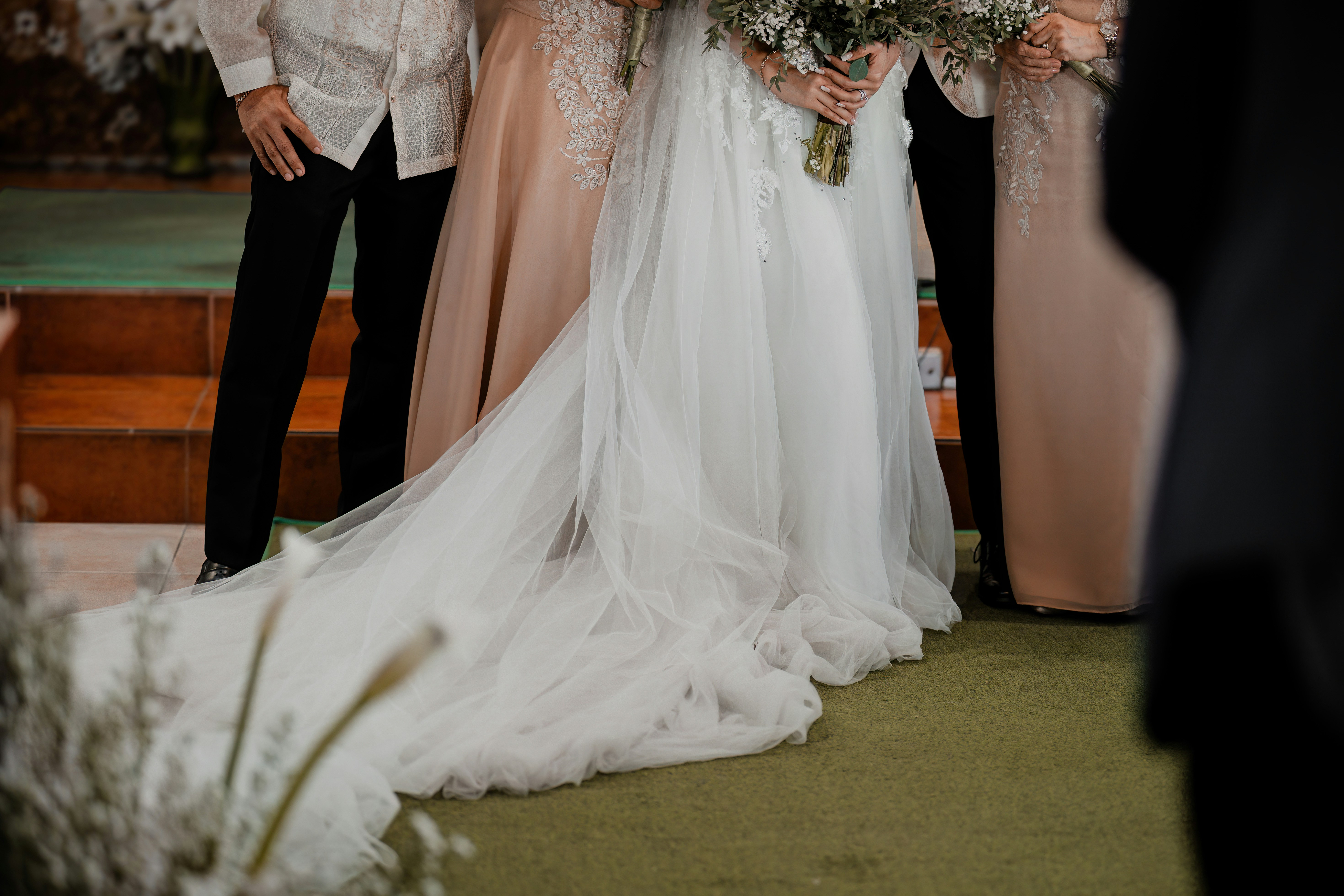

Filipino weddings are vibrant celebrations that extend far beyond the exchange of vows. While many focus on the beautiful ceremony itself, Filipino wedding traditions encompass a rich tapestry of rituals that begin weeks before the actual wedding day and continue long after the couple says "I do." In 2026, Filipino families across the diaspora continue to honor these time-honored customs, adapting them to modern life while preserving their cultural significance.
Pre-Wedding Traditions That Shape the Journey
The journey toward a Filipino wedding begins long before the ceremony, with several meaningful traditions that set the foundation for the union. The pamamanhikan remains one of the most cherished pre-wedding customs, where the groom's family formally visits the bride's family to ask for her hand in marriage. This tradition involves elaborate preparations, with both families showcasing their hospitality through generous feasts and meaningful conversations about the couple's future.

Welcome to United Tribes
Where Filipino Culture Comes Alive
Join Your Tribe
Connect with your people
Discover Events
Watch parties & festivals
Find Filipino Businesses
Restaurants, markets & more
Earn Crown Credits
Get rewarded for engaging
During the pamamanhikan, families discuss wedding plans, share stories, and establish relationships that will last a lifetime. The bride's family traditionally prepares an abundant meal, while the groom's family brings gifts and tokens of respect.
Another significant pre-wedding tradition is the despedida de soltera, a Filipino version of a bridal shower that goes beyond gift-giving. This celebration brings together the bride's female relatives and friends to share advice on marriage, family life, and maintaining cultural traditions.
Sacred Wedding Day Rituals Beyond the Vows
While the wedding ceremony itself is beautiful, several sacred rituals during the actual wedding day hold profound meaning in Filipino tradition. The yugto ceremony, in which the couple's hands are bound with a cord or rosary, symbolizes their unbreakable bond. This ritual often incorporates family heirlooms, with cords passed down through generations that connect the new union to ancestral blessings.
The arras tradition involves the exchange of thirteen coins, representing the groom's promise to provide for his family and the bride's acceptance of the responsibility to manage household resources wisely. Each coin carries a specific meaning, from prosperity and good fortune to fertility and long life. Filipino families often use coins blessed by priests or coins with special significance to their family history.
The veil-and-cord ceremony creates a powerful visual representation of unity, protection, and fidelity. Sponsors, typically married couples chosen for their strong relationships, place a veil over the bride and groom's shoulders and bind them with a cord. This ritual emphasizes community support for the marriage, with sponsors committing to provide guidance and assistance throughout the couple's married life.
During the ceremony, the lighting of the unity candle involves both mothers lighting individual candles, which the couple then uses to light a central candle together. This moment symbolizes the joining of two families and the creation of a new household, while honoring the light and wisdom each family brings to the union.
Post-Wedding Celebrations and Family Bonding
The celebration continues long after the wedding ceremony concludes, with post-wedding traditions that strengthen family bonds and ensure the couple's smooth transition into married life. The salu-salo reception feast represents more than just a meal; it's a community celebration where extended family and friends gather to share stories, offer blessings, and welcome the couple into their new status as married partners.
Traditional Filipino wedding receptions feature specific customs that engage all generations. The money dance allows wedding guests to pin money onto the couple's clothing while dancing, providing financial support for their new life together. This tradition creates intimate moments between the couple and their loved ones, as each dance partner often shares personal advice or blessings during their time together.
The cake-cutting ceremony in Filipino weddings incorporates unique elements: the couple feeds each other the first bite while family members offer rice for prosperity and flower petals for beauty and happiness.
Rice and Flower Petal Traditions
As newlyweds exit the ceremony, the traditional throwing of rice and flower petals carries deep symbolic meaning. Rice represents fertility, prosperity, and abundance, while flower petals symbolize beauty, happiness, and a life filled with joy. Modern Filipino families have adapted this tradition, sometimes using biodegradable confetti or flower petals that reflect the couple's favorite colors or flowers significant to their relationship.
Many families incorporate regional variations of this tradition, with some using specific types of rice or flowers native to their province in the Philippines. These adaptations help maintain connections to ancestral homelands while creating new memories in their current communities.
Family Integration and Household Establishment Rituals
Beyond the wedding festivities, Filipino families observe traditions that help establish the new household and integrate the couple into their expanded family network. The pagkakasal sa tahanan involves the couple visiting both sets of parents' homes as married partners, receiving blessings and guidance for their new life together. During these visits, parents often share family heirlooms, traditional recipes, or cultural practices they want the couple to continue.
The establishment of a new household often includes blessing ceremonies in which priests or family elders consecrate the couple's home. This tradition ensures spiritual protection and invites abundance into their living space. Many Filipino families continue this practice by displaying religious artifacts, family photos, and cultural items that connect the new household to their heritage and faith.
Extended family integration occurs through various rituals during the first year of marriage, including holiday celebrations, during which the couple learns their new roles within the family structure.
The tradition of pakimkim involves the couple regularly visiting elderly relatives and family friends to maintain relationships and receive ongoing guidance. This practice strengthens community bonds and ensures that cultural knowledge passes from older generations to newlyweds, preserving Filipino family rituals that might otherwise fade over time.
Some families maintain the custom of the first-harvest blessing, in which the couple's first major purchase or achievement as married partners receives family acknowledgment and blessing. Whether buying their first home, starting a business, or welcoming their first child, these milestones become opportunities for family gathering and cultural celebration.
Modern Adaptations Preserving Ancient Wisdom
In 2026, Filipino families worldwide continue to adapt these traditional wedding customs to contemporary lifestyles while preserving their essential meaning and cultural significance. Technology now allows extended family members unable to travel to participate virtually in pre-wedding consultations, ceremony blessings, and post-wedding celebrations, ensuring that distance doesn't diminish the importance of family involvement.
Many Filipino couples incorporate traditional elements into modern venues, working with wedding planners who understand the significance of cultural rituals and can seamlessly integrate them into contemporary celebrations. This approach allows couples to honor their heritage while creating celebrations that reflect their personal style and circumstances, much as modern Filipino families adapt traditional celebrations.
Preserving Heritage Through Sacred Unions
Filipino wedding traditions extend far beyond the ceremony itself, creating meaningful connections between past, present, and future generations. These rituals demonstrate how Filipino family rituals continue thriving in 2026, adapting to modern circumstances while preserving essential cultural values. From pre-wedding family consultations to post-ceremony household establishment rites, these customs strengthen community bonds and maintain cultural identity across the diaspora.
Visit United Tribes today to learn more about Filipino culture and community celebrations that continue to enrich lives across America and beyond.
Make United Tribes Your Preferred Source
Add United Tribes on Google to get the latest stories, cultural updates, and community events directly in your Google Search and Top Stories.


