
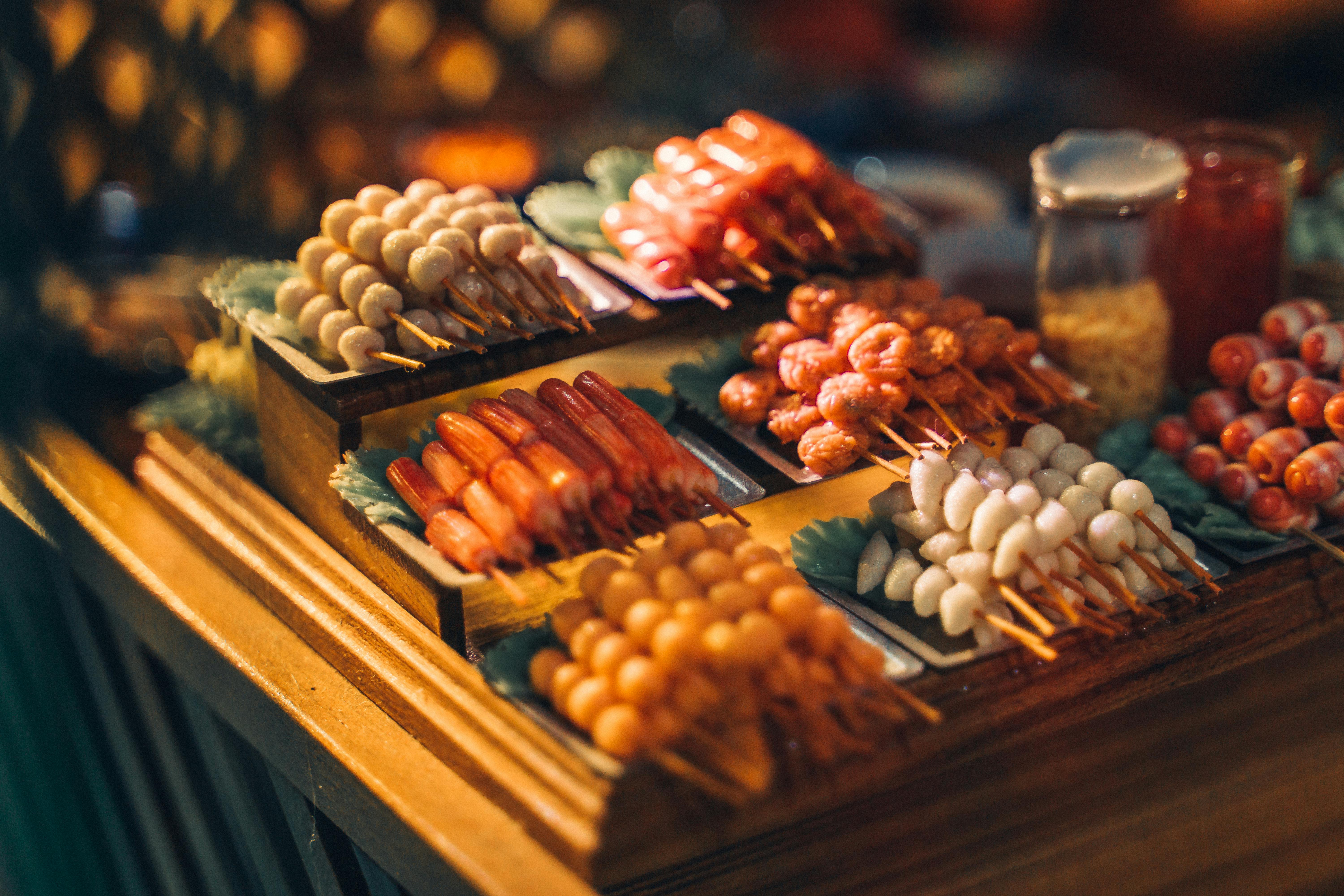

The holiday season transforms Filipino-American households across the United States into vibrant celebrations of heritage, family, and tradition. While snow may blanket the streets outside, warmth fills homes through the aromatic spells of Filipino Christmas food preparations that have been passed down through generations. These cherished recipes connect Filipino families to their roots while creating new memories on American soil.
Filipino holiday traditions during Christmas and New Year represent some of the most significant celebrations in the Filipino calendar, and food remains at the heart of these gatherings. Filipino families spend days preparing elaborate feasts that showcase the rich diversity and symbolic meaning of their ancestral cuisine.

Welcome to United Tribes
Where Filipino Culture Comes Alive
Join Your Tribe
Connect with your people
Discover Events
Watch parties & festivals
Find Filipino Businesses
Restaurants, markets & more
Earn Crown Credits
Get rewarded for engaging
The Cultural Significance of Filipino Holiday Feasts
The Filipino Christmas season, known as "Pasko," extends far beyond December 25th, beginning as early as September and culminating with the Feast of the Three Kings in January. This extended celebration period allows families to fully immerse themselves in the traditions that define Filipino-American cuisine during the holidays.
Noche Buena, the traditional Christmas Eve feast, holds particular importance for Filipino families living in the United States. This midnight meal serves as the pinnacle of holiday celebrations, where extended families gather to share not just food but stories, laughter, and the continuation of cultural identity. The dishes prepared for Noche Buena carry deep symbolic meanings: round fruits represent prosperity, sticky rice cakes symbolize family unity, and long noodles signify longevity and good fortune.
In Filipino culture, the act of cooking together serves to strengthen family bonds. Grandmothers teach daughters and granddaughters the intricate techniques passed down through generations, ensuring that recipes remain authentic while adapting to ingredients available in American grocery stores. This culinary knowledge transfer represents one of the most vital ways Filipino families preserve their heritage while building new traditions in their adopted homeland.
Essential Filipino Christmas Dishes
Bibingka: The Sweet Symbol of Celebration
Bibingka stands as perhaps the most iconic Filipino Christmas treat, traditionally cooked in clay pots lined with banana leaves. This spongy rice cake, topped with salted egg slices, cheese, and grated coconut, represents the perfect balance of sweet and savory flavors that characterize Filipino cuisine.
For Filipino families in the United States, making bibingka often requires creativity in sourcing traditional ingredients. Many have adapted the recipe using readily available substitutes while maintaining the dish's essential character. The preparation process becomes a family affair, with children helping to grate coconut and adults carefully monitoring the cooking process to achieve the perfect golden-brown exterior.
The cultural significance of bibingka extends beyond its delicious taste. Street vendors traditionally sell this delicacy outside churches during dawn masses throughout December, making it intrinsically linked to Filipino Christmas spirituality and community gathering.
Lechon: The Crown Jewel of Filipino Festivities
Lechon, or whole roasted pig, represents the centerpiece of major Filipino celebrations. For Christmas gatherings, Filipino families across America either prepare their own lechon using backyard setups or order from specialized Filipino restaurants that cater to holiday celebrations.
The preparation of lechon requires significant planning and community involvement. Families often coordinate with neighbors and friends to share the substantial undertaking, from sourcing the pig to managing the lengthy roasting process. This collaborative effort mirrors the communal spirit that defines Filipino culture and strengthens bonds within Filipino-American communities.
Regional variations of lechon reflect the diverse origins of Filipino immigrants in the United States. Cebu-style lechon, seasoned with lemongrass, garlic, and other aromatics, differs significantly from Luzon preparations, allowing families to maintain connections to their specific regional heritage.
Pancit: The Noodle of Longevity
Pancit, the beloved Filipino noodle dish, appears in various forms during holiday celebrations, each carrying wishes for long life and prosperity. Pancit Canton, made with egg noodles, and Pancit Bihon, prepared with rice vermicelli, represent the most common varieties served during Christmas gatherings.
The preparation of pancit often involves the entire family, with different members responsible for chopping vegetables, cooking proteins, and achieving the perfect noodle texture. Filipino families in the United States have adapted traditional recipes to incorporate locally available vegetables while maintaining authentic flavors through imported soy sauce and fish sauce.
Regional Specialties and Family Adaptations
The diversity of Filipino-American cuisine during holidays reflects the rich regional culinary traditions of the archipelago. Families from Ilocos Province might prepare bagnet alongside traditional dishes. At the same time, those with Visayan heritage could feature humba or regional variations of adobo that differ from the more commonly known Manila-style preparations.
Northern Philippine Influences
Filipino families with roots in northern regions, such as Ilocos, often incorporate longganisa, a sweet Filipino sausage, into their holiday menus. These families might also prepare pinakbet, a vegetable dish that showcases the agricultural abundance of their ancestral regions, adapting regional Filipino dishes to create comprehensive holiday feasts.
Southern and Island Traditions
Families originating from Mindanao or the Visayas bring different flavors to their American holiday tables. Coconut-heavy dishes, spicier preparations, and distinctive cooking techniques reflect the Islamic and indigenous influences that are present in southern Philippine cuisine. These variations ensure that Filipino holiday celebrations across the United States showcase the true diversity of the archipelago's culinary heritage.
Modern Adaptations in American Kitchens
Filipino families living in the United States have creatively adapted traditional recipes to work within American kitchen constraints while maintaining authentic flavors. Electric ovens replace clay pots, food processors speed up traditionally labor-intensive preparations, and local ingredients substitute for items that might be expensive or difficult to source.
Fusion innovations have emerged as second and third-generation Filipino Americans contribute their own creativity to family recipes. Ham might be incorporated into traditional rice dishes, American-style sides could complement traditional mains, and local seasonal ingredients find their way into ancestral recipes, creating unique Filipino-American cuisine variations.
Despite these adaptations, families remain committed to preserving core recipes and cooking techniques. Many maintain connections with Filipino grocery stores and restaurants to source authentic ingredients, ensuring that traditional flavors remain intact even as presentation and preparation methods evolve.
Building Community Through Food
Filipino holiday celebrations extend beyond individual families to encompass entire communities. Churches, cultural organizations, and informal neighborhood groups organize potluck gatherings where families contribute traditional dishes, creating opportunities for cultural exchange and community building.
These community celebrations serve multiple purposes for Filipino families in America. They provide opportunities for children to experience authentic Filipino culture, allow adults to maintain connections with their heritage, and create support networks that help families navigate life in their adopted country.
The comfort food that reminds Filipino families of home becomes a vehicle for sharing stories, teaching younger generations about their heritage, and maintaining the cultural identity that defines Filipino-American communities across the United States.
Preserving Traditions for Future Generations
As Filipino families continue to establish roots in American communities, the preservation of traditional holiday foods becomes increasingly important for cultural continuity. Parents and grandparents recognize that teaching children to prepare traditional dishes ensures the survival of cultural practices that might otherwise be lost.
Many families document recipes, cooking techniques, and the stories behind traditional dishes, creating family cookbooks that serve as cultural treasures for future generations. These efforts reflect the broader Filipino commitment to family, tradition, and cultural preservation that helps maintain strong community bonds.
The integration of traditional Filipino holiday foods into American celebrations also serves as a bridge between cultures, allowing Filipino families to share their heritage with neighbors, friends, and colleagues while adapting Filipino celebrations to their American environment.
Filipino families demonstrate remarkable resilience and adaptability in maintaining their cultural traditions while embracing American life. Holiday food traditions represent one of the most visible and meaningful ways this cultural balance manifests in daily life.
Celebrating Heritage Through Holiday Cuisine
From the symbolic significance of bibingka and pancit to the communal preparation of lechon, these holiday traditions create lasting memories while preserving ancestral heritage for future generations. As Filipino families across the United States continue to adapt traditional recipes to their American kitchens, they demonstrate the beautiful balance of honoring the past while embracing new possibilities.
The dishes that grace Filipino holiday tables serve as edible stories, connecting families to their roots while building new traditions in their adopted homeland. These culinary celebrations not only strengthen individual families but also entire communities, creating networks of support and cultural exchange that enrich both Filipino-American life and the broader American cultural landscape. Through food, Filipino families continue to share their rich heritage while contributing to the diverse tapestry of American holiday traditions.
Visit United Tribes today and discover more about Filipino culture and community celebrations that unite families throughout the year.
Make United Tribes Your Preferred Source
Add United Tribes on Google to get the latest stories, cultural updates, and community events directly in your Google Search and Top Stories.


