
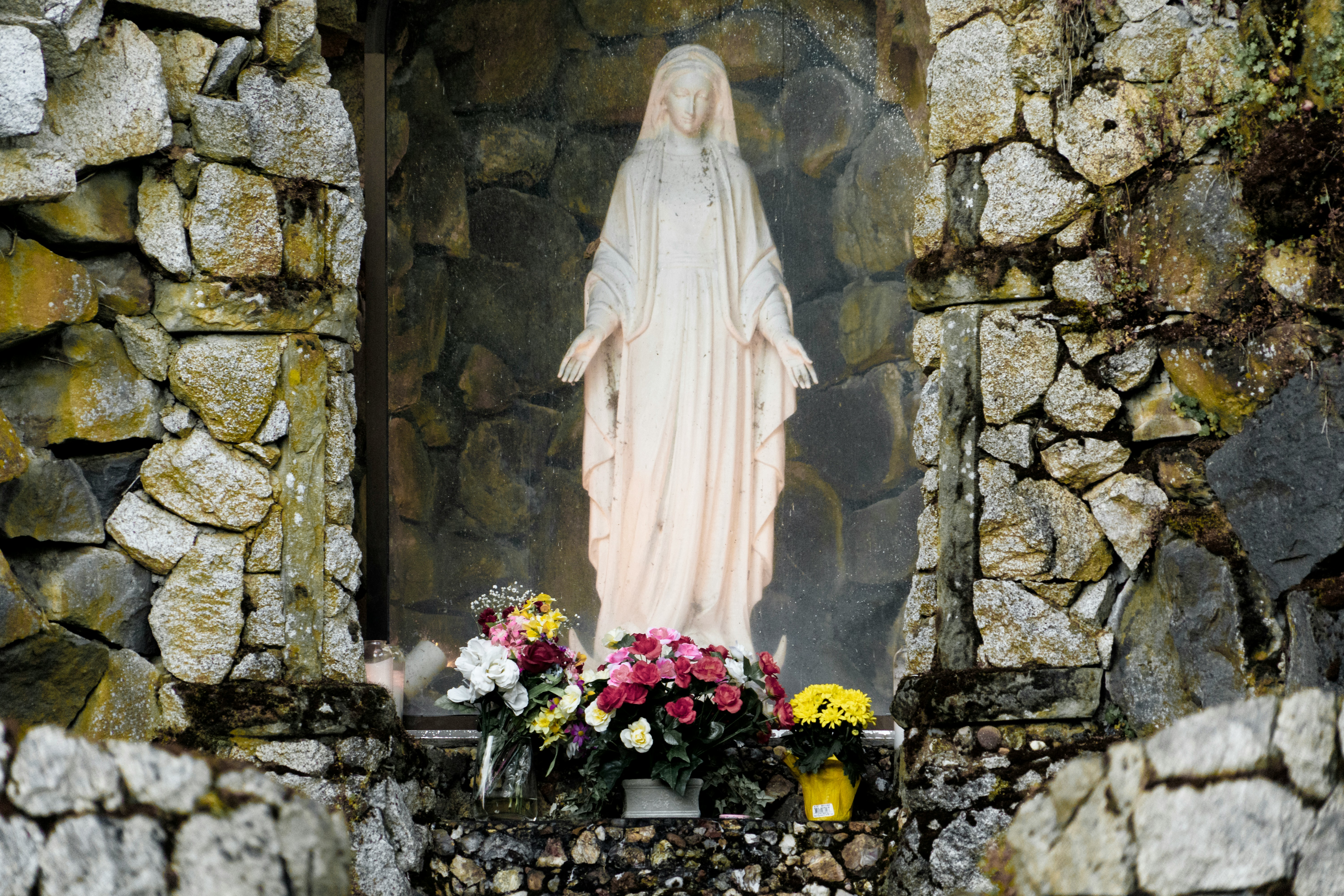

As spring blooms across America in May 2026, Filipino communities nationwide prepare for one of their most cherished religious and cultural celebrations: Flores de Mayo. This month-long devotion to the Virgin Mary transforms parishes, community centers, and Filipino neighborhoods into vibrant displays of faith, flowers, and cultural pride. The tradition, deeply rooted in Philippine Catholic heritage, has found new expression in the diaspora, adapting beautifully to American settings while preserving its spiritual essence.
The Sacred Roots of Flores de Mayo in Filipino Communities
Flores de Mayo, literally meaning "Flowers of May," originated in the Philippines as a Catholic devotion honoring the Blessed Virgin Mary during her designated month. The tradition combines Spanish colonial religious practices with indigenous Filipino reverence for nature and community celebration. In the homeland, entire neighborhoods would participate in daily prayers, floral offerings, and culminating processions that brought together people from all walks of life.

Welcome to United Tribes
Where Filipino Culture Comes Alive
Join Your Tribe
Connect with your people
Discover Events
Watch parties & festivals
Find Filipino Businesses
Restaurants, markets & more
Earn Crown Credits
Get rewarded for engaging
Filipino May traditions have always emphasized the communal aspect of faith, where individual devotion strengthens through collective participation. The daily recitation of the rosary, the offering of fresh flowers to Marian altars, and the sharing of traditional foods create a spiritual rhythm that extends far beyond the church walls.
The adaptation of these sacred traditions to American settings demonstrates the resilience and creativity of Filipino diaspora communities. Parish churches with significant Filipino populations often dedicate entire halls to elaborate Marian altars, decorated with sampaguita, roses, and other meaningful flowers.
Santacruzan Processions: Pageantry and Faith in American Communities
The Santacruzan represents the magnificent culmination of Flores de Mayo celebrations, transforming into grand processions that showcase both religious devotion and cultural artistry. In the United States, these processions have evolved into spectacular community events that draw participants and spectators from across different cultural backgrounds, creating opportunities for intercultural appreciation and understanding.
Planning and Community Coordination
Santacruzan events require months of careful planning, involving parish committees, Filipino cultural organizations, and local businesses. Community leaders coordinate everything from selecting participants to designing elaborate costumes and floats.
The selection of participants follows traditional protocols, with special emphasis on representing different aspects of Filipino Catholic heritage. Young women are chosen to portray various Marian titles and biblical figures, while community elders often serve as advisors and spiritual guides throughout the preparation process.
Costume Design and Cultural Symbolism
The intricate costumes worn during Santacruzan processions represent months of collaborative artistry, often involving skilled sewists within the Filipino community who specialize in traditional garment construction. These elaborate gowns, featuring intricate beadwork, embroidery, and symbolic elements, serve as wearable expressions of faith and cultural pride.
Each costume carries specific religious and cultural significance, from the pure white gowns representing various Marian apparitions to the rich, jewel-toned dresses symbolizing different saints and biblical figures.
Adapting Sacred Traditions to American Parish Life
Filipino communities across the United States have demonstrated remarkable creativity in adapting Filipino May traditions to American parish structures and multicultural congregations.
Daily Devotions and Prayer Gatherings
American parishes with significant Filipino populations often extend their evening prayer schedules during May to accommodate traditional Flores de Mayo devotions. These daily gatherings, typically held after regular work hours, feature rosary recitations in both English and Filipino, traditional hymns, and brief reflections on Marian devotion.
Community members take turns organizing these daily observances, creating opportunities for different families and organizations to contribute their unique talents and perspectives. Some evenings feature traditional Filipino dishes shared after prayers, while others include cultural performances or testimonials about Marian devotion.
Intergenerational Knowledge Transfer
Filipino Marian devotion abroad serves as a powerful vehicle for transmitting cultural and religious knowledge across generations. Grandparents and community elders often take leading roles during Flores de Mayo, sharing stories, teaching traditional prayers, and explaining the historical significance of various ritual elements to younger participants.
Many communities organize special educational sessions alongside the daily devotions, where children and teenagers learn about Philippine Catholic history, the significance of different Marian titles, and the proper protocols for participating in religious processions. These educational components help ensure that Filipino May traditions continue to thrive in American-born generations while remaining connected to their authentic spiritual roots.
Community Building Through Floral Offerings and Shared Meals
The tradition of bringing fresh flowers to Marian altars during Flores de Mayo creates beautiful opportunities for community bonding and shared responsibility in American Filipino communities. Families often coordinate their floral contributions, creating stunning displays that reflect both traditional aesthetics and locally available blooms.
Floral Arrangement Traditions
Community members with expertise in floral design often volunteer their skills to create elaborate altar arrangements that combine traditional Filipino flowers with locally sourced blooms. These collaborative efforts result in stunning displays that serve as focal points for daily devotions while showcasing the artistic talents within the community.
The process of selecting, purchasing, and arranging flowers becomes a community activity in itself, with different families taking responsibility for various aspects of the altar decoration throughout the month. Children often participate by helping with simpler arrangements, learning about the meanings of different flowers, and developing an appreciation for the beauty and symbolism inherent in these offerings.
Traditional Foods and Fellowship
The bringing of Filipino celebrations to America extends beyond religious observances to include the sharing of traditional foods that enhance community fellowship during Flores de Mayo. Many parishes organize potluck-style gatherings after evening devotions, where families contribute homemade dishes that reflect regional Philippine specialties and family recipes passed down through generations.
These shared meals offer opportunities for cultural exchange within the Filipino community, as families from different Philippine regions share their distinctive culinary traditions. The experience also allows Filipino food to play a central role in building community connections and maintaining cultural identity through familiar flavors and cooking traditions.
Regional Variations and Local Adaptations Across America
Flores de Mayo celebrations vary significantly across different regions of the United States, reflecting both the diverse backgrounds of Filipino communities and the unique characteristics of their local environments.
West Coast Celebrations
Filipino communities in California, particularly in areas with large populations like Los Angeles, San Francisco, and San Diego, often organize elaborate Santacruzan processions that rival those held in the Philippines. These events frequently take place in public parks or large parish grounds, accommodating hundreds of participants and thousands of spectators from diverse cultural backgrounds.
The mild May climate in California allows for outdoor evening processions that showcase the full grandeur of traditional costumes and floral arrangements. Many West Coast communities also incorporate elements from their regional Philippine backgrounds, creating celebrations that reflect the diversity within the Filipino diaspora.
East Coast Community Adaptations
Filipino communities on the East Coast often adapt their Flores de Mayo celebrations to fit within the constraints of smaller parish spaces and more variable May weather. Indoor celebrations in parish halls allow year-round decoration and preparation, and some communities create permanent Marian shrine areas that serve as focal points for various Filipino religious observances. The adaptations these Filipino celebrations often require call for creative problem-solving, which ultimately strengthens community bonds and cultural preservation efforts.
Preserving Faith Through Cultural Celebration
Flores de Mayo represents the beautiful evolution of Filipino religious traditions in American communities, demonstrating how faith and culture can flourish as they adapt to new environments. These celebrations strengthen community bonds, preserve cultural heritage, and create meaningful connections across generations of Filipino Americans. The dedication shown by community leaders, families, and participants ensures that Filipino May traditions continue to thrive and inspire future generations.
Visit United Tribes today to learn more about Filipino culture and community celebrations that bring together faith, tradition, and cultural pride across America.
Make United Tribes Your Preferred Source
Add United Tribes on Google to get the latest stories, cultural updates, and community events directly in your Google Search and Top Stories.


