
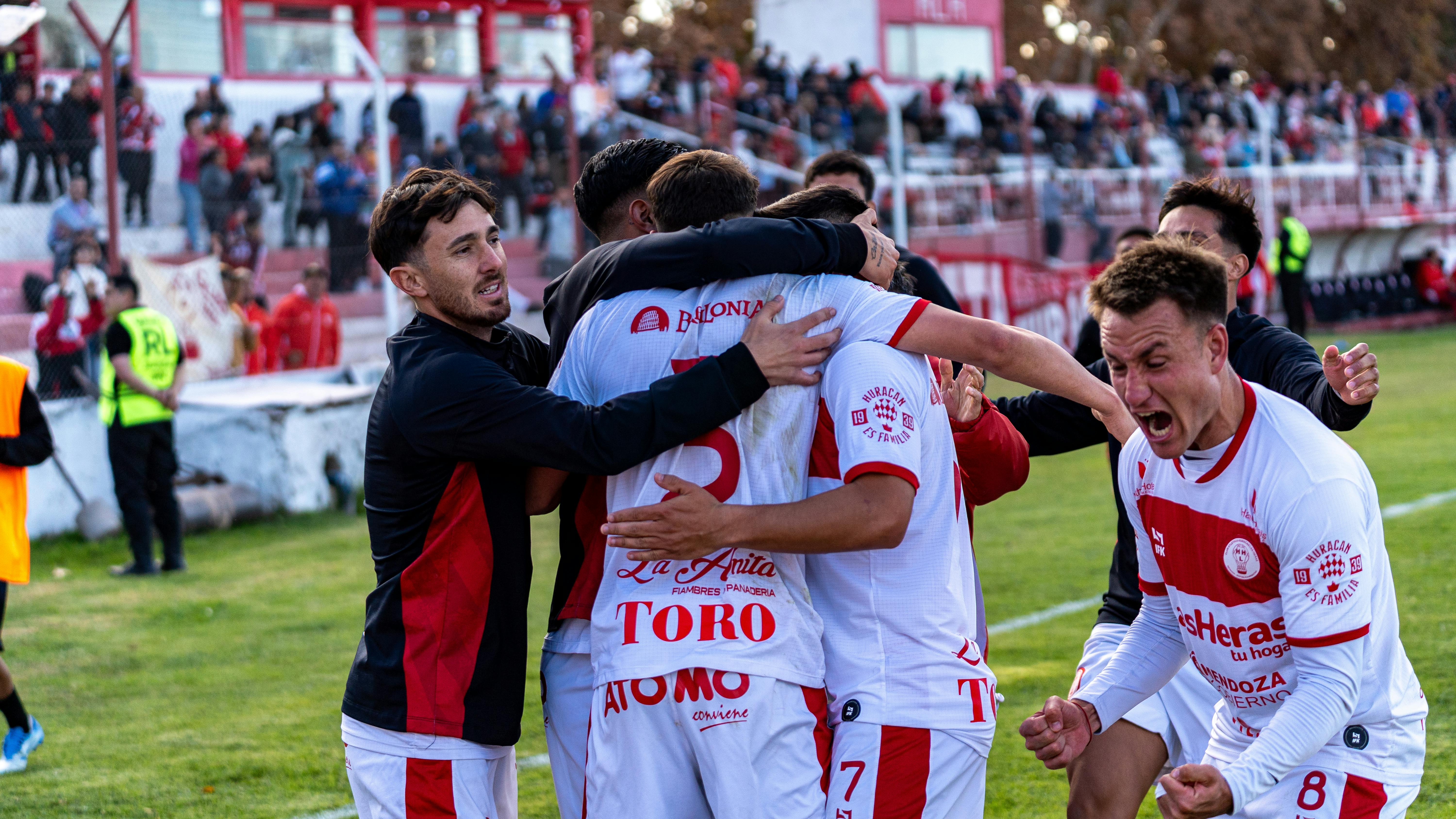


The Ball That Binds a Nation
In Panama, football is a sport that is spoken across generations, a thread woven into the fabric of everyday life, and a mirror reflecting something deeply true about who Panamanians are. From the dusty lots of Colón to the manicured pitches of Panama City, the game unites people who might otherwise have little in common. Panama's football identity is lived, felt, and passed down like a family name.
To understand Panama through football is to understand a country that punches above its weight, that carries pride in every step, and that has learned to find itself on the world stage in the most unlikely of ways.
A Game Grown From the Streets
Football arrived in Panama through the influence of Caribbean laborers, British merchants, and the multicultural workforce that built the Panama Canal in the early twentieth century. What began as an imported pastime quickly became something Panamanian. Communities adapted the game to their own spaces, rhythms, and rules. Makeshift goals appeared in neighborhoods. Children played barefoot on concrete. Adults gathered after church on Sundays to kick a ball and debate tactics.
This grassroots origin story matters. Soccer culture in Panama grew organically from communities that found in the game a space for expression, competition, and belonging. The barrios and neighborhoods became its true academies.
National Team, National Soul
Few things crystallize Panama's football identity quite like the Selección Nacional, the national team known as Los Canaleros. For decades, the team competed regionally without breaking through to global recognition. But in 2017, everything changed. Panama qualified for the FIFA World Cup for the first time in its history, securing a spot in the 2018 tournament in Russia.
The nation erupted. Streets flooded with red, white, and blue. Car horns rang through the night. Strangers embraced. The athletic moment was emotional, cultural, and deeply political in the broadest sense. Panama had announced itself to the world, and the world was listening.
That qualification spoke to something beyond sport. It said that a small Central American nation, often overlooked on the global stage, could compete, could dream, and could arrive.
World Cup Panama Fans and the Spirit of the Streets
The behavior of World Cup Panama fans during the 2018 Russia tournament became a story in itself. Panamanian supporters traveled thousands of miles to cheer for a team facing giants like England, Belgium, and Tunisia. They sang loudly. They danced in the stands. They wore traditional pollera-inspired colors and painted their faces with national pride.
Panama lost all three group stage matches, including a 6-1 defeat to England. Yet the fans remained. They celebrated their team's historic presence rather than mourning the scorelines. Felipe Baloy's goal against England, Panama's first-ever World Cup goal, was met with the kind of joy usually reserved for championship victories. The footage of Panamanian fans in tears of happiness after that single goal circled the globe.
This is the spirit of soccer culture in Panama: it is about showing up, representing, and honoring the journey, all while striving for that winning mentality.
Football as a Bridge Between Communities
Panama is one of the most ethnically and culturally diverse nations in the Americas. Afro-Panamanians, Indigenous communities, mestizo populations, Chinese-Panamanian families, and Antillean descendants all call the country home. Football is one of the few arenas where these communities meet on equal footing, both literally and figuratively.
In a country where socioeconomic gaps remain significant, the pitch levels the terrain. A boy from an Indigenous comarca and a teenager from a Panama City suburb can both dream the same dream. Community tournaments across provinces bring rival towns together. Church leagues, school championships, and weekend pickup games reinforce social bonds that might otherwise fray.
Football and identity in Panama are inseparable, partly because the sport transcends the divisions that sometimes define daily life.
Local Heroes and Cultural Icons
The faces of Panamanian football carry cultural weight beyond athletics. Players like Román Torres, whose penalty kick secured World Cup qualification, became instant national heroes. Blas Pérez, who represented Panama at the club level across multiple countries, brought visibility to the nation's talent on the international stage.
These athletes are symbols of what is possible for a small nation with limited resources and enormous pride. Young Panamanians grow up watching their names trend internationally and internalize a simple but powerful message: we belong here too.
The Future of Panama Football Identity
The next generation of Panamanian footballers is developing in a landscape more connected than ever before. Youth academies have grown in number. The country's football federation has worked to formalize pathways for talented players. And with global exposure following the 2018 World Cup, scouts and international clubs have increasingly turned their eyes toward Panama.
But the soul of the game will always belong to the streets, the barrios, the coastal towns, and the highland communities where children still play with whatever ball they can find.
Panama's Pride Lives on the Pitch
Football in Panama tells a story that statistics alone cannot capture. It is a story of cultural pride, community resilience, and a small nation's refusal to be invisible. From the historic 2018 World Cup qualification to the neighborhood games played every weekend across the isthmus, the sport pulses through Panamanian life as both tradition and aspiration. Soccer culture in Panama is a living, breathing expression of who Panamanians are and who they intend to become.
For members of the Panamanian diaspora living across the United States, these connections carry particular weight. Football becomes a thread back home, a reason to gather, to speak Spanish, to remember. Whether watching matches together or coaching youth leagues, Panamanians abroad keep the culture alive through the game they love.
Visit United Tribes today to learn more about Panamanian culture and community, and discover how this platform helps communities like yours stay connected, visible, and celebrated.


